A Knight of the Seven Kingdoms starts light but turns dark by episode 5, delivering the violence and royal intrigue fans expect from a Game of Thrones prequel.
- April 26, 2026
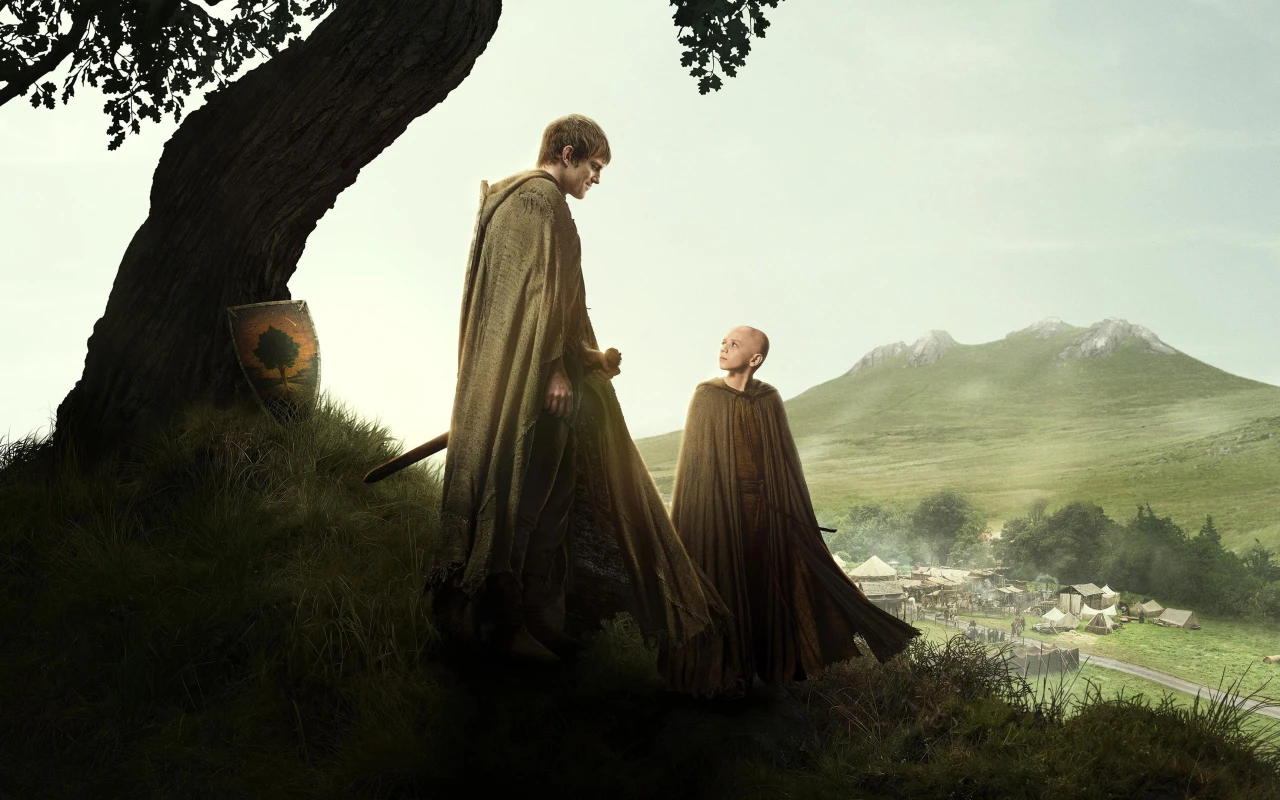
AceShowbiz - A Knight of the Seven Kingdoms season 1 began as a lighter, more grounded experience than most viewers expected from a Game of Thrones prequel. Unlike the main series, which centers on noble families and high-stakes politics, this spinoff initially focused on a hedge knight’s perspective. However, the reveal in episode 3 that Egg is actually Prince Aeron Targaryen shifted the narrative toward the familiar royal complexities fans anticipate. By the penultimate episode, episode 5, titled "In the Name of the Mother," the show fully embraced the violence and emotional weight that Game of Thrones fans expect from any expansion of the franchise.
Despite having fewer episodes and a shorter runtime, A Knight of the Seven Kingdoms delivered a compelling story that demonstrates the enduring power of Game of Thrones' signature storytelling style.
Game of Thrones cleverly refined a narrative structure that made its penultimate episodes the most intense and pivotal moments of each season. This method, while not unique to the series, was made into a ritual by Game of Thrones. Shows like The Sopranos and Lost also featured major events in their penultimate episodes, but Game of Thrones consistently placed the season’s most shocking developments there, relegating final episodes to aftermath and resolution.
For example, in Season 1, Episode 9, the beheading of Ned Stark shattered the audience’s sense of security and reshaped the political landscape of Westeros. Season 3’s episode 9 delivered the infamous Red Wedding, one of the most memorable and devastating twists in television history. Even in the shorter Season 8, the penultimate episode saw Daenerys Targaryen’s fiery destruction of King’s Landing, serving as the emotional climax before the series finale.
This deliberate pacing set audience expectations: the ninth episode would bring upheaval, while the finale would focus on consequences—coronations, funerals, political recalibrations, and the resetting of power dynamics.
A Knight of the Seven Kingdoms followed this blueprint with remarkable fidelity. Its fifth episode, the penultimate one of the season, is loaded with shocking violence and irreversible consequences that echo the structure Game of Thrones perfected. The episode features a brutal melee involving 14 knights fighting in close quarters with live steel, a departure from the sweeping battlefield spectacles the main series was known for.
The entire fight sequence unfolds from the perspective of Dunk, the hedge knight protagonist, who is unhorsed almost immediately and forced to grapple in the mud. Viewers experience the chaos, confusion, and terror through Dunk’s limited viewpoint, making the violence feel intensely personal and immediate. The battle is gritty and disorienting, emphasizing individual survival over grand strategy.
The episode’s impact is heightened by its quiet revelations following the melee. By narrowing the scope to a single, brutal combat scenario, the show amplifies the stakes and emotional weight, proving that smaller-scale action can feel just as epic.
The season finale of A Knight of the Seven Kingdoms embraces the aftermath rather than cliffhangers, mirroring Game of Thrones finales. After the brutality of the penultimate episode, the finale slows down to examine the cost of victory. The focus shifts from who won the trial by combat to what the consequences of that victory mean for the characters and the realm.
The episode wrestles with complex questions of guilt—both individual and collective. It probes what Dunk’s victory signifies when it comes at the expense of a future king’s life and questions the righteousness of his cause versus the cowardly tactics Baelor employed to protect others. These moral ambiguities are not glossed over but are instead given space to resonate.
Furthermore, the finale highlights the relationships forged over the course of a single tournament weekend. Lord Lyonel Baratheon offers Dunk a place at Storm’s End, signaling new opportunities despite recent tragedies. Raymun Fossoway’s understanding of Dunk’s character leads him to buy back Sweetfoot, a gesture that speaks to Dunk’s honor and generosity.
In these moments, A Knight of the Seven Kingdoms encapsulates the essence of Game of Thrones' storytelling formula: a blend of brutal, shocking events paired with a thoughtful exploration of fallout and character development. The show proves that even in a smaller, more intimate setting, this formula remains compelling and effective.
By respecting the narrative rhythm that made Game of Thrones a cultural phenomenon, A Knight of the Seven Kingdoms delivers a powerful story that resonates with both new audiences and longtime fans. Its penultimate episode’s chaotic battle and the finale’s reflective tone together confirm that the franchise’s storytelling approach still holds remarkable potency.