Running Point showrunner David Stassen on season 2, Kate Hudson, and balancing a hectic schedule with HBO’s Rooster.
- April 24, 2026
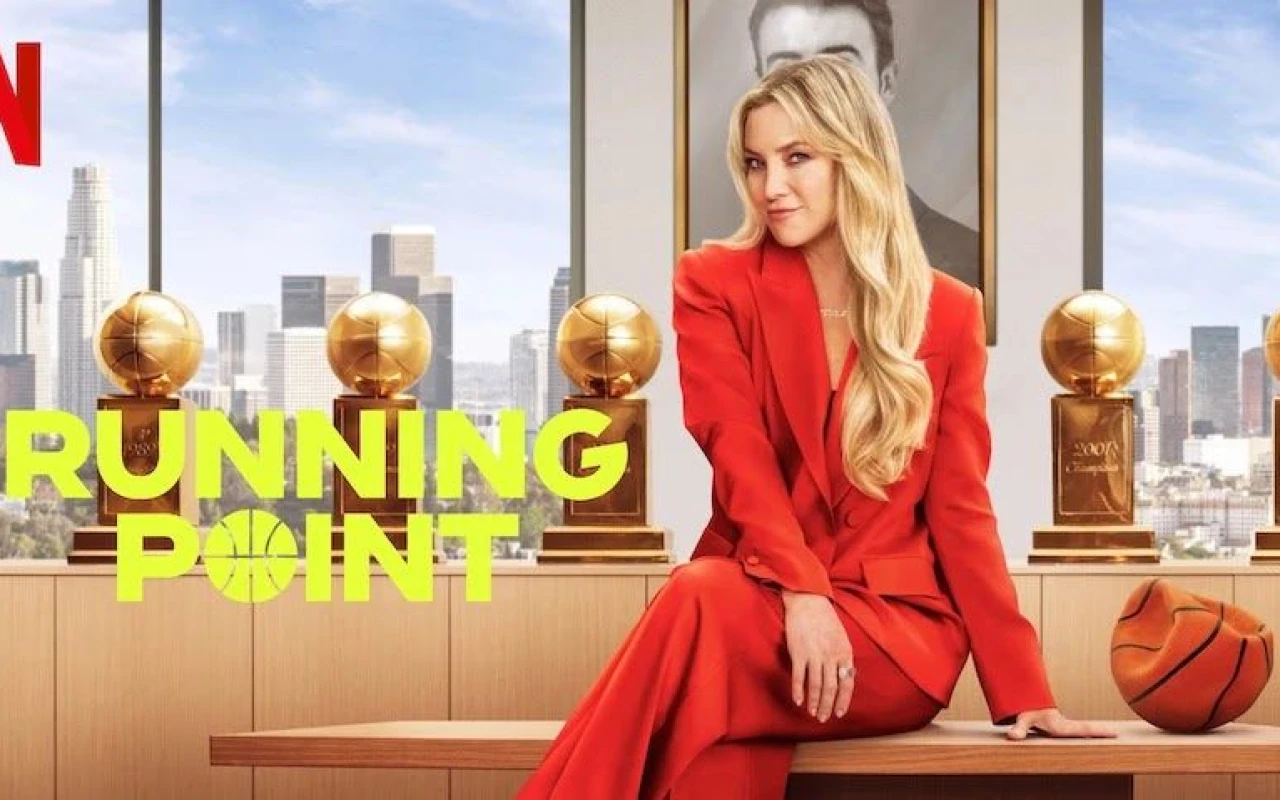
AceShowbiz - Running Point showrunner David Stassen has been navigating a whirlwind since the show’s debut in spring 2025. After securing the first season of the Kate Hudson-led comedy well before its February 27 premiere, Stassen swiftly transitioned to working as a writer and executive producer on HBO’s Rooster, starring Steve Carell. Following the busy promotional period for the debut season, he opened the writers room for Running Point season two, gearing up for a late summer 2025 shoot.
Running Point season two continues to explore the turbulent lives of Isla Gordon (played by Hudson) and her complicated family as they manage ownership of the fictional L.A. Waves basketball team. Inspired by Jeanie Buss' role as controlling owner of the Los Angeles Lakers, the show portrays a franchise that, unlike many tech billionaire-owned sports teams, struggles with financial challenges. The second season focuses on Isla juggling relentless money problems alongside her intricate personal relationships.
Throughout the development of the first season, Stassen developed a close relationship with Jeanie Buss, who granted the creative team access to the Lakers' facilities and shared many personal and professional stories. Alongside co-creators Mindy Kaling and Ike Barinholtz, Stassen even sat courtside with Buss and her assistant Linda Rambis during a Lakers game on the day the first season premiered. However, the show's trajectory shifted unexpectedly when the Buss family announced the sale of their majority stake in the Lakers to Dodgers owner Mark Walter eight months later. Although the Buss family retains 15-17 percent ownership and Jeanie Buss continues as team governor, this major change caught the creative team by surprise.
At the time of the sale, the Running Point writers were in the midst of crafting an episode focused on the Gordon family debating the consequences if one of them—or their spouse—sold their shares in the team. Stassen described the Lakers sale news as “surprising” but serendipitous, noting that it infused the writing process with new energy. “It helped us. It motivated us. We got to shape the story in an even more fun and possibly stakes-ier way,” he told The Hollywood Reporter.
Despite frequently mingling with Lakers insiders, Stassen himself is a Chicago native and a devoted fan of the Chicago Bulls. Fans of the Bulls will recognize a climactic moment in season two of Running Point that echoes some of Chicago’s basketball history. However, a subplot involving Waves captain Marcus Winfield and rising star Dyson Gibbs was not directly inspired by a notorious incident from the Bulls’ 1994 Eastern Conference Semifinals against the New York Knicks. In that game, All-Star Scottie Pippen refused to re-enter the game during the final seconds due to a coach’s decision to design the last shot for rookie Toni Kuko?. While Running Point includes a dramatic last-second shot scenario, Stassen said any connection to that Bulls moment is likely subconscious rather than intentional.
“It must have been in the back of our minds,” Stassen admitted, “but I don’t remember if it was specifically an ode to Scottie and Toni with 1.8 left on the clock against the Knicks. It’s certainly not the only time in history that two players have wanted the last shot. But that’s where the combination of being a comedy writer and a basketball fan is so incredible. I get to write from experiences that I really enjoyed as a fan.”
Looking ahead, Stassen is preparing to reopen Running Point’s writers room should the show be renewed for a third season. This early writers room assembly is a cost-effective strategy for streaming platforms to begin development before committing to full production budgets and helps retain key creative talent. “Netflix hasn’t officially picked up season three yet, but everyone is optimistic,” Stassen shared. “Season one did very well, and Netflix has already shown a lot of faith by ordering the writers room for a potential season three. So everyone is feeling good.”
In a conversation with The Hollywood Reporter, Stassen also reflected on why the series chose to fictionalize its basketball team rather than use the Lakers’ real iconography.
“It went back and forth: Is it going to be the Lakers or not? It would’ve been fun if it had been, but creatively and comedically, we get to have a little more leeway,” he explained. “We get to build our world the way we see it without a lot of the preconceived notions that NBA fans would bring to a show about the Lakers.”
Because the show’s universe excludes the NBA, the writers purposely avoid direct references to real players or league events.
Instead, the show focuses on original characters like Marcus Winfield.
Fans of other NBA teams might find some Easter eggs in season two that could provoke strong reactions. Stassen laughed when asked if he was prepared for potential backlash, admitting he was not. “That is a fun Easter egg that we put in there, and I’m not surprised you picked up on it. But if I do get some angry reactions, it would mean that people are watching very closely.”
As Running Point continues to build momentum, the balance of real-world inspiration and fictional storytelling remains a key ingredient in its success. Stassen’s ability to weave authentic basketball culture with comedic and dramatic elements keeps the series engaging and relatable, while the show’s evolving storylines reflect the unpredictable nature of sports ownership and family dynamics.
With season two exploring deeper financial challenges and personal conflicts within the Gordon family, and the writers already preparing for a hopeful third season, Running Point stands as a compelling blend of sports drama and comedy. The show’s unique perspective, shaped by real events like the Lakers’ ownership change and basketball history, combined with creative freedom afforded by fictionalization, positions it well for continued audience interest and critical success.