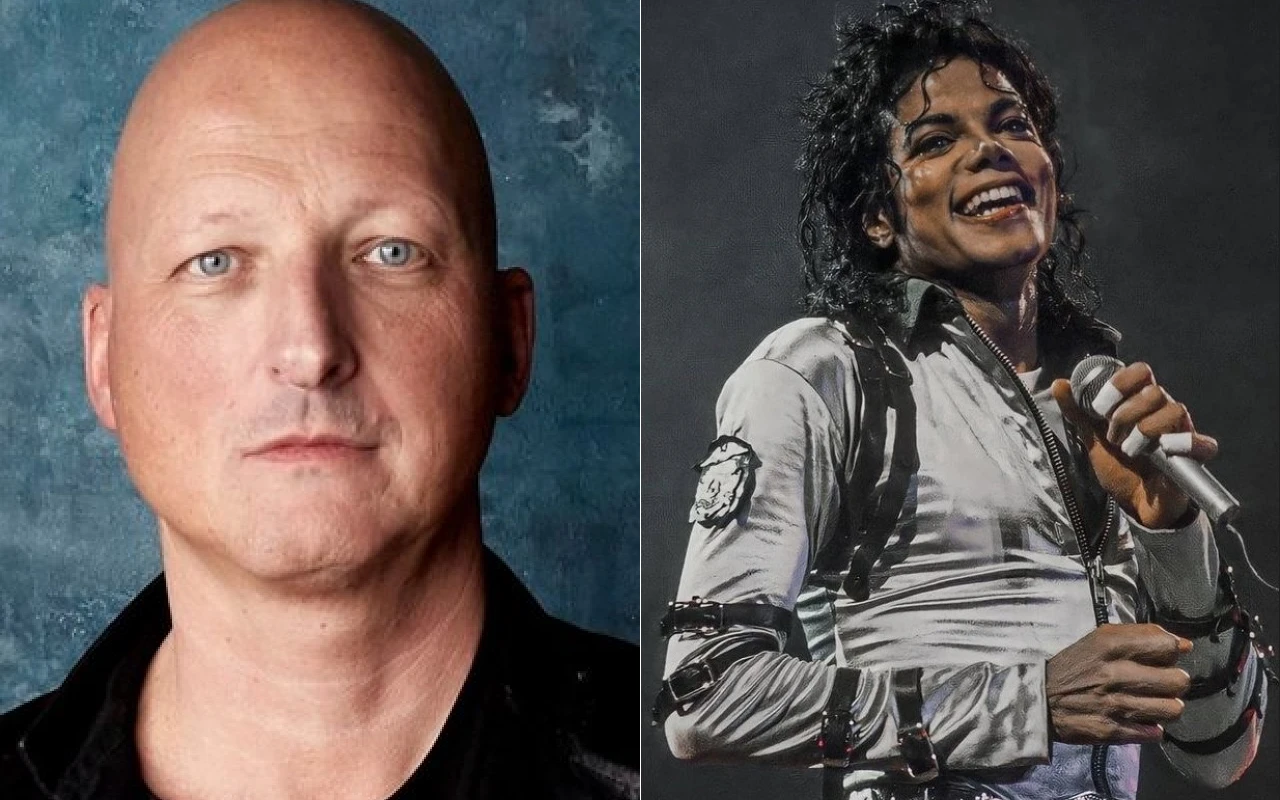
Explore the impact of Leaving Neverland, the controversial HBO documentary on Michael Jackson abuse allegations, and the enduring resilience of his legacy.
- April 23, 2026
AceShowbiz - Documentarian Dan Reed, known primarily for his work on terrorism and war, ventured into a profoundly different and controversial subject with the 2019 HBO documentary Leaving Neverland. The film explores the child sexual abuse allegations against Michael Jackson that have persisted since 1993, focusing on the detailed testimonies of Wade Robson and James Safechuck.
Leaving Neverland premiered to widespread attention and won an Emmy, yet it sparked fierce backlash from the Jackson Estate, which condemned the film as “a complete fiction” and criticized the Emmy decision as honoring a one-sided narrative. Despite the film’s impact, the legacy of Jackson has shown remarkable resilience.
Seven years after the documentary's debut, Jackson’s music streaming numbers have actually increased. His story continues to thrive on Broadway with MJ the Musical, and Lionsgate's biopic Michael—directed by Antoine Fuqua and starring Jaafar Jackson, Michael’s nephew—is poised to be a major box-office success. Meanwhile, Leaving Neverland quietly disappeared from HBO following a legal settlement with the Jackson estate.
Reed recently spoke from the UK with The Hollywood Reporter about the ethical challenges surrounding such high-profile music biopics and reflected on the complicated public response to his film.
When asked about the current status of Leaving Neverland, Reed explained that the Jackson estate invoked a non-disparagement clause that dated back to a 1992 HBO contract for a concert recording. This clause essentially prohibited HBO from producing any content that could be seen as negative toward Jackson. After six years on HBO, the network settled with the estate and agreed to remove the film from its platform.
However, Reed noted that HBO’s license to the film only lasts until 2029, after which he will be free to resell and distribute it again. He also mentioned that a sequel to the documentary was released on YouTube in the U.S., though he found that distribution method unsatisfying.
Reflecting on his journey making the film, Reed admitted he began with skepticism. As a filmmaker typically focused on terrorism and war, the subject of Jackson was outside his usual realm. Yet, as he engaged with Robson and Safechuck, he found their accounts to be detailed, layered, and credible. Reed was able to corroborate much of their testimony through records, police investigations, and trial transcripts, which convinced him that the two men had genuine stories to tell rather than fabricating claims for financial gain.
Despite ongoing accusations branding Robson and Safechuck as “gold diggers”—a notion even supported by director Antoine Fuqua—Reed dismissed such claims as ironic, considering the financial success of the biopic project. He emphasized that neither Robson nor Safechuck has profited from their allegations to date, noting that lawsuits only result in payment if the plaintiff wins in court, which has not happened even after a decade.
Reed addressed skepticism around Robson’s changing story, highlighting the emotional toll of speaking out after years of denial. Robson testified in Jackson’s defense during the 2005 trial but later reversed his stance. Reed described the process as shattering, as victims must confront not only their trauma but also the lies they told to protect their abuser, often facing disbelief from family and the public.
Reed maintains contact with both men and hopes to produce another film related to the upcoming trial. When asked about their feelings toward Jackson, he said he hasn’t discussed the new movie with them but doubted they are pleased.
One of the most striking points Reed made concerns the paradoxical resilience of Michael Jackson’s popularity despite the serious allegations documented in Leaving Neverland. After the film’s release, streaming of Jackson’s music rose, and the Broadway musical became a huge success. With the biopic opening on nearly 4,000 screens, Reed bluntly stated, “It says that people don’t care that he was a child molester. Literally, people just don’t care.”
He noted that while none of the allegations in Leaving Neverland have been seriously challenged, the presence of simplistic debunking videos online gave many viewers “permission” to continue enjoying Jackson’s music. Reed believes that many fans separate the art from the artist, choosing to love Jackson’s music while ignoring or dismissing the abuse allegations.
Reed does not advocate boycotting Jackson’s music. He condemns “cancel culture” and compares book burning to archaic practices. Instead, he asks listeners to acknowledge the disturbing facts about Jackson when they consume his work, encouraging honest reflection on how those revelations might affect their enjoyment.
The director also recalled the backlash he personally faced after the film’s release, including online harassment from Jackson’s fan base. He observed that this reaction went beyond simple denial, describing it as a willful refusal to engage with the allegations.
Ultimately, Reed’s experience making and promoting Leaving Neverland reveals a complex cultural landscape where allegations of abuse coexist with immense celebrity and enduring public admiration. As new projects continue to celebrate Michael Jackson’s life and legacy, the conversation around his alleged crimes remains deeply contentious and unresolved.