Why did Indiana Jones 5 and Terminator: Dark Fate fail? James Cameron and industry analysts point to a risky reliance on aging action stars to attract new au...
- April 21, 2026
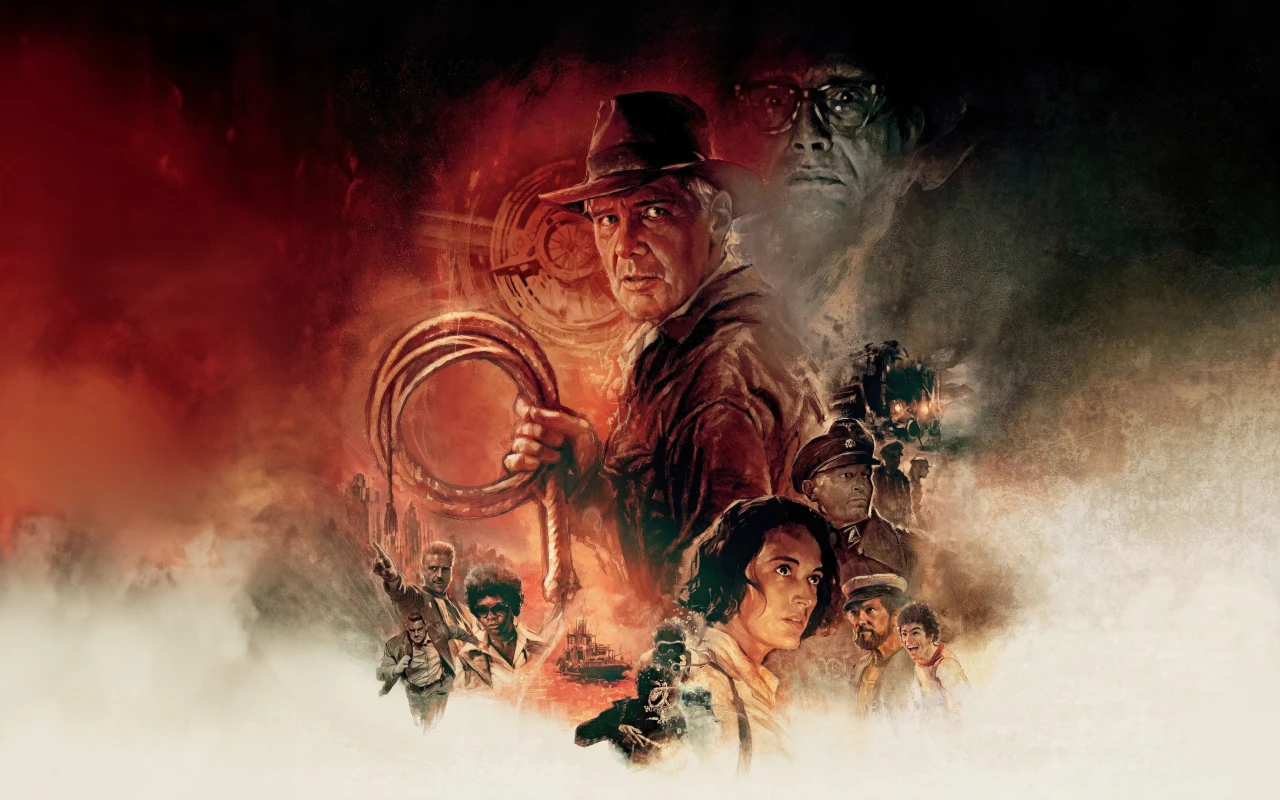
AceShowbiz - When Indiana Jones 5 bombed at the box office, many industry watchers pointed to its lead, Harrison Ford, reprising his iconic role at the age of 80. This choice echoed a similar situation with James Cameron’s Terminator: Dark Fate, which also struggled financially despite Cameron’s attempt to reboot his franchise by returning to its roots. Cameron speculated that Arnold Schwarzenegger’s advanced age made it difficult to attract younger audiences, a critique that seemingly went unheeded by Disney and Lucasfilm when they greenlit the latest Indiana Jones installment.
Terminator: Dark Fate was designed as a direct sequel to Terminator 2: Judgment Day, disregarding the three films released after it. Despite a hefty budget nearing $200 million, the film grossed less than $300 million worldwide, leading Cameron to conclude that the presence of older stars like Schwarzenegger and Linda Hamilton gave the impression the film was targeted at an older demographic, or as he put it, “grandparents.”
Echoing this, Disney and Lucasfilm’s decision to bring back Harrison Ford as Indiana Jones in the fifth movie did not adjust the character’s portrayal to reflect Ford’s age. Although rumors had circulated that Ford would pass the torch to a younger actor following the fourth film, Indiana Jones and the Kingdom of the Crystal Skull, that transition never materialized. The earlier installment had hinted at Shia LaBeouf as a potential successor, and later speculation involved Chris Pratt taking over, but neither came to fruition.
Interestingly, while Indiana Jones 5 flopped in theaters, it is quietly climbing global streaming charts years after its release. This resurgence suggests that the film’s reception is evolving in the home entertainment space, where it is finding a new audience or renewed interest among viewers.
Another notable change in the franchise’s latest chapter was behind the camera. For the first time in the series’ history, Steven Spielberg stepped down from directing duties, handing the reins to James Mangold. This marked a significant shift for the beloved franchise, though it did not appear to reverse the movie’s box office fortunes.
Despite the disappointing theatrical performance, the ongoing streaming success of Indiana Jones 5 highlights the changing dynamics of film consumption. It underscores how some movies that struggle initially can find a second life on digital platforms, engaging fans who might have missed them in theaters or who prefer to watch at home.
The decision to keep Ford as Indiana Jones, despite his advanced age, remains a controversial move. While it provides continuity for longtime fans, it arguably limited the film’s appeal to younger demographics, a factor that may have contributed to its lackluster box office returns. The streaming surge, however, indicates that the franchise still holds significant cultural cachet and can attract viewers in different formats over time.
In sum, the trajectory of Indiana Jones 5 reflects broader trends in Hollywood where star power alone no longer guarantees theatrical success. It also illustrates how streaming platforms can revive films that initially underperform, offering filmmakers and studios new opportunities to connect with audiences beyond traditional box office metrics.