Lena Dunham reveals the surprising fan embrace of Adam Driver's flawed character on Girls, and how it diverged from the show's original intent.
- April 15, 2026
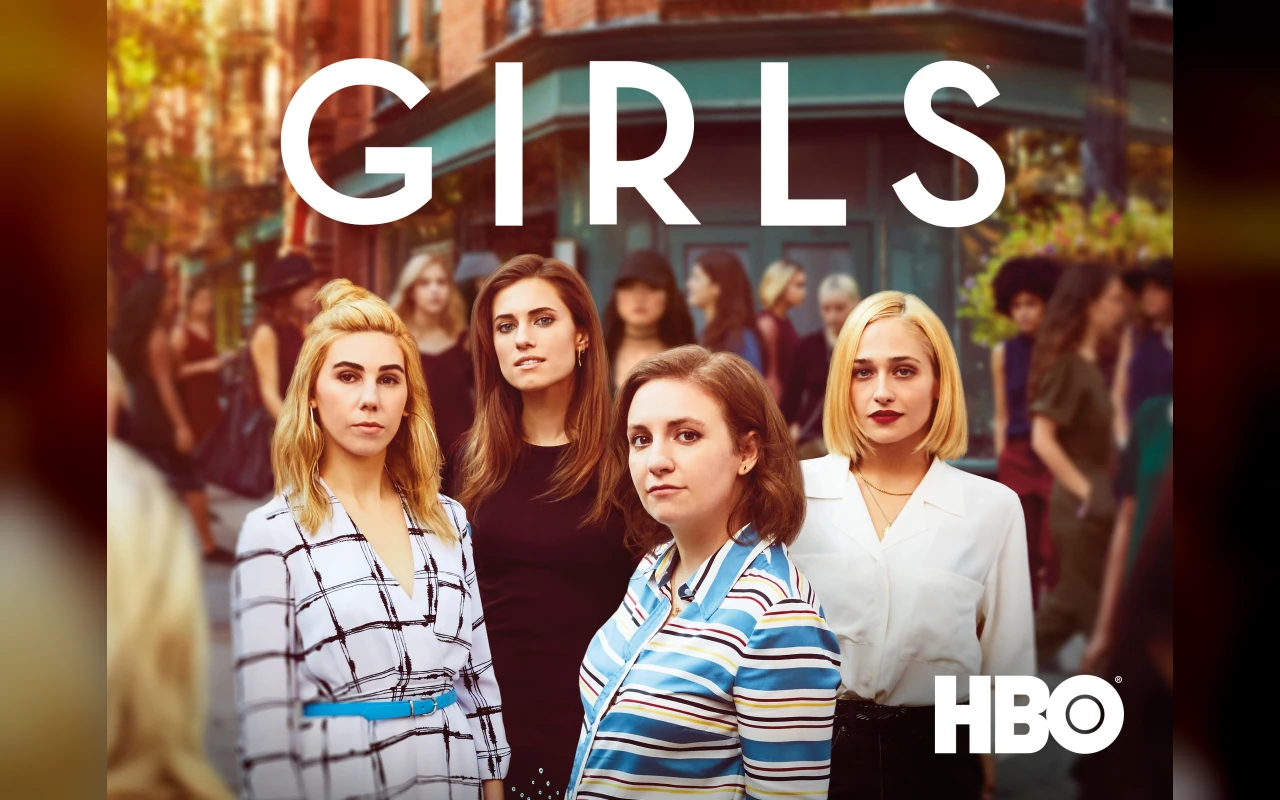
AceShowbiz - Lena Dunham remains candid about the way fans embraced Adam Driver’s character in the HBO series Girls. Though the show ended years ago, its impact continues, largely due to its look at millennial women and the performances from its cast. Among those performances, Driver’s portrayal of Adam stands out as a fan favorite, much to Dunham’s surprise.
In a conversation with The New York Times, Dunham shed light on the original intent behind the character’s portrayal. She explained that the relationship between Hannah and Adam was designed to expose the complexity often found in flawed partnerships rather than present a romantic ideal. However, the audience reception diverged from this vision.
"What was also interesting was those dynamics, which were in life scary at times, lonely - those would be recreated on television and people thought they were funny and fun and at times sexy," Dunham shared. She admitted she did not intend for Adam to emerge as a romantic hero, yet by the series' end, many fans expressed a desire for a partner like him.
"I didn't write Adam [Driver]'s character to be a romantic hero, and by the end, everyone was like, 'I want a boyfriend like that. I want a boyfriend who throws two-by-fours and spanks me,' and that is not what I was going for," she explained. This reaction led to a broader lesson for Dunham: the things people desire are often entangled with their past experiences.
This perspective is notable considering some of the difficult aspects of Adam’s character arc. Throughout the series, Adam’s behavior highlighted his shortcomings as a partner to Hannah. It was during the final episodes that Hannah came to a clearer understanding of her own growth and the need for a relationship grounded in mutual respect—something Adam ultimately failed to provide.
Dunham’s reflections underscore the challenge of controlling how audiences interpret creative work. She acknowledged that while she can influence what she writes, the public’s response is beyond her control. This was evident in the reception of Adam’s character and in how the show sometimes pushed boundaries that made HBO uneasy. The network intervened and cut a planned sex scene during production.
The cultural footprint of Girls remains. Its influence is seen in references in sports culture—such as NFL players being nicknamed “Shoshanna” after one of the show’s characters—to comparisons drawn between Dunham’s later projects and the original series. The show’s legacy is further cemented by admiration from celebrities like Florence Pugh, who have publicly expressed fandom.
For those who missed the original run or are considering a rewatch, Girls is currently available on HBO Max, offering a chance to revisit the series that sparked conversations about millennial life and relationships.
Reflecting on the fan reaction to Adam’s character, Dunham’s insights reveal the complexities behind storytelling and audience engagement. While she never intended for Adam to become a romantic ideal, the character’s flaws and intensity resonated in ways she hadn’t anticipated.