True crime doc My Brother's Killer uncovers a brutal 1990 murder, exposing systemic injustice against LA's queer community during the AIDS crisis.
- April 10, 2026
AceShowbiz - My Brother's Killer, directed by Rachel Mason, is a true crime documentary that initially appears to follow the familiar formula of cold case investigations: suspenseful twists, archival footage, expert interviews, and atmospheric music. However, as the narrative unfolds, the film reveals itself as a deeper exploration of a marginalized community grappling with bigotry, the AIDS crisis, and a haunting unsolved murder.
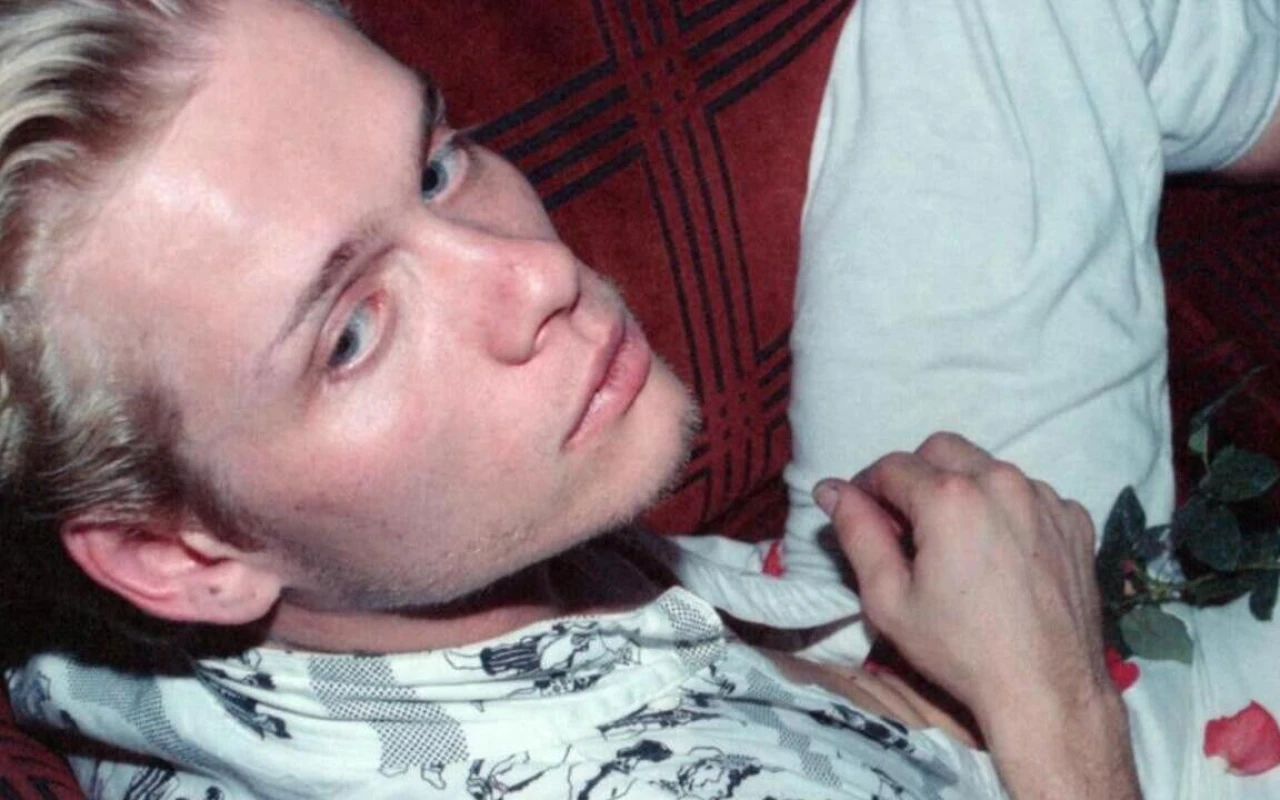
The film centers on the 1990 murder of William Arnold Newton, known professionally as Billy London, a 25-year-old gay adult film actor whose decapitated head and dismembered limbs were found in a dumpster in West Hollywood. This brutal killing shocked Los Angeles’ underground queer community, which had already endured decades of homophobic violence and the devastating impact of HIV/AIDS. Despite years of investigation, the Los Angeles Police Department eventually shelved the case, leaving it unresolved.
Rachel Mason first became interested in this story after her 2019 documentary Circus of Books chronicled the Los Angeles porn shop her parents ran—a sanctuary for many gay individuals escaping oppressive small-town America. Many patrons, like London, arrived in the city seeking freedom and survival, often turning to sex work or adult films, which were operated covertly to avoid legal consequences. Their lives were fraught with danger, but they found a rare sense of liberation in Los Angeles.
Intrigued by London’s unsolved murder, Mason joined forces with former homicide detective John Lamberti and sociologist-turned-amateur investigator Clark Williams, who shared a Wisconsin hometown with London. Over several years, the trio pursued leads, encountered false trails, and uncovered startling connections, providing a profound look into the gay community that Mason’s parents had served for decades.
Among the suspects explored is London’s former porn partner, Marc Rabins, who offers candid recollections of their wild lifestyle marked by rampant sex, drugs, and the constant threat of violence from anti-gay mobs. Another suspect considered was the notorious serial killer Jeffrey Dahmer, whose known method of victim dismemberment closely resembled the way London was killed. This possibility prompted the investigative team to examine Dahmer’s whereabouts during the time of the murder.
Without revealing the documentary’s unexpected conclusion, it suffices to say that the final revelation shifts the narrative from a sensational crime story to a poignant reflection on the era’s pervasive homophobia and the systemic violence faced by gay men. The murder of London emerges less as an isolated horror and more as a tragic product of its time.
What sets My Brother's Killer apart from typical true crime documentaries is its refusal to simply sensationalize. Instead, it offers a sobering glimpse into the neon-soaked world of 1980s Los Angeles, where many young gay men sought to escape their pasts and forge new identities. While none met London’s gruesome fate, a spreadsheet compiled during the investigation reveals a grim pattern: many of these men died prematurely due to drug overdoses or AIDS-related complications.
The documentary poignantly illustrates that the real crime extends beyond the brutal murder of one promising individual. It highlights the broader injustices endured by a community that lived under a shadow of fear, prejudice, and epidemic disease in the California sun.
My Brother's Killer premiered in the Documentary Spotlight at the SXSW Film Festival and runs 1 hour and 36 minutes. The film features key contributions from Marc Rabins, John Lamberti, Clark Williams, Sabin Grey, Christopher Rice, and Rachel Mason. It was produced by FutureClown Productions with editing by Dion Labriola and cinematography by Michael Pessah. The score was composed by Bruno Coviello, and executive producers include Penelope Spheeris, Josh Braun, and Ben Braun.
Through its meticulous investigation and compassionate storytelling, My Brother's Killer goes beyond the conventions of cold case documentaries to shed light on a forgotten chapter of LGBTQ+ history. It is a testament to the resilience of a community that endured unimaginable hardships while striving to live authentically.