From Dune to Annihilation, discover how once 'unfilmable' books are now hitting the big screen, and the next major adaptation on the horizon.
- April 10, 2026
AceShowbiz - Thanks to significant advancements in visual effects and steadily growing budgets, films that were once considered nearly impossible to adapt are now reaching the big screen with surprising ease. This trend is notably exemplified by Denis Villeneuve’s Dune series, including the anticipated Part 3, which has brought Frank Herbert’s complex sci-fi world to life in ways previously unimaginable. Other recent films have similarly succeeded in translating challenging material into cinematic experiences. For instance, Steven Spielberg’s Ready Player One overcame daunting copyright complexities to incorporate numerous iconic characters and franchises, while Alex Garland’s 2018 adaptation of Annihilation introduced Jeff VanderMeer’s enigmatic sci-fi series to a wider audience.
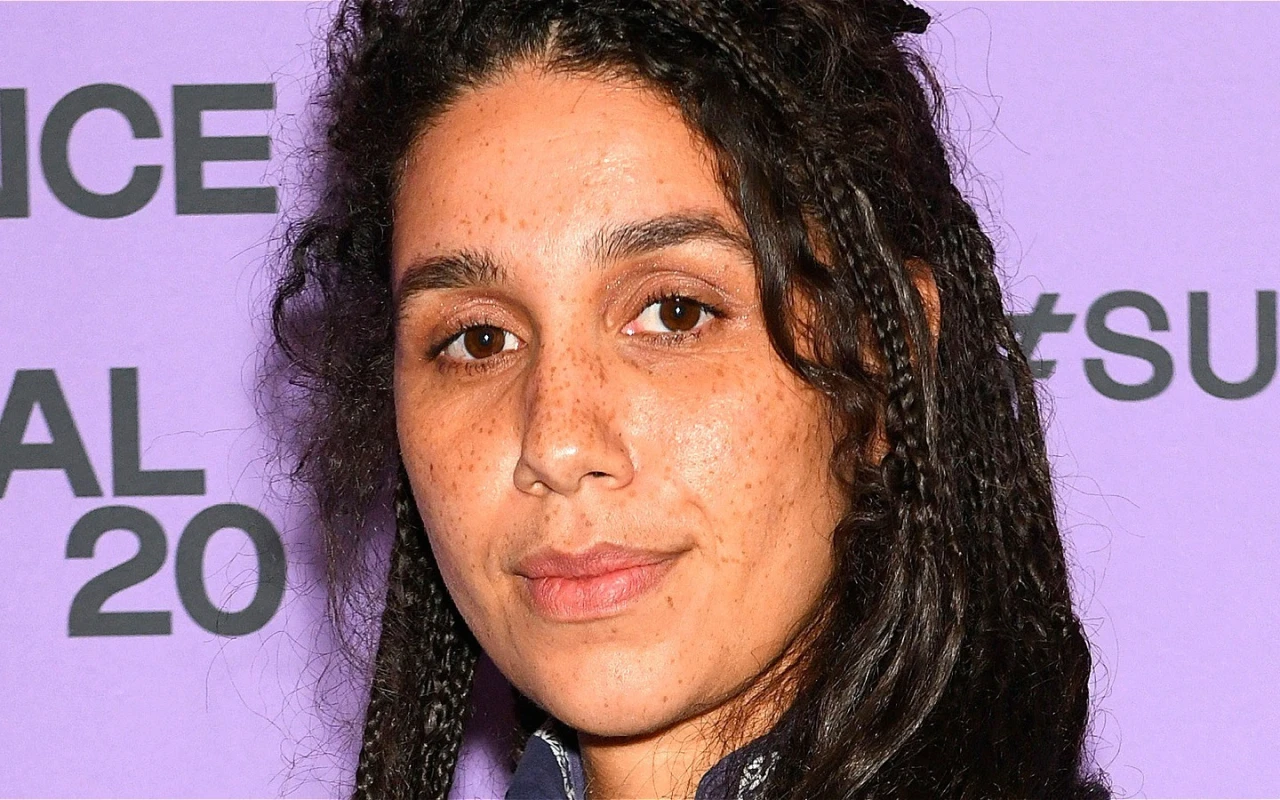
Now, another long-awaited adaptation is finally on the horizon. According to Variety, filmmaker Melina Matsoukas, acclaimed for directing Queen & Slim, is set to helm the movie adaptation of Parable of the Sower, the influential 1993 science fiction novel by Octavia E. Butler. This project has officially been established at Warner Bros., with Color Force producers Nina Jacobson and Brad Simpson (known for The Hunger Games and Crazy Rich Asians) attached to produce. Fans have waited decades for this adaptation, and its timing could not be more fitting.
Published in 1993, Parable of the Sower is a speculative science fiction novel that feels strikingly relevant today, perhaps even more than when it was first released. The story is set in the near future, beginning in 2024, during a period when the United States is on the brink of collapse due to unchecked environmental degradation, widespread social unrest, and severe economic instability. This dystopian backdrop resonates strongly with contemporary issues, making the novel’s themes particularly timely.
The narrative centers on Lauren Olamina, a young woman who suffers from hyperempathy — a condition that causes her to physically feel the pain of those around her. Fueled by a desire to reshape the broken world, Lauren creates a new spiritual philosophy called Earthseed, which teaches that change is the only constant and ultimate truth. This concept is both profound and visionary, underscoring the novel’s ahead-of-its-time exploration of humanity’s possible trajectory if societal problems continue unchecked.
While life in 2026 may not exactly mirror the world depicted in Parable of the Sower, the parallels are closer than they were three decades ago, amplifying the story’s relevance for modern readers and audiences alike. The lengthy wait for this film adaptation may ultimately benefit the project, as the themes have become increasingly urgent and relatable.
Though Octavia E. Butler passed away in 2006, her impact on the science fiction genre remains profound. She was inducted into the Science Fiction Hall of Fame in 2010 and posthumously honored with the first-ever Infinity Award by the Science Fiction and Fantasy Writers Association in 2022, cementing her legacy as a visionary author.
Upon its release, Parable of the Sower earned critical acclaim, winning the New York Times Notable Book of the Year award. It was also a finalist for the Nebula Award for Best Novel and was later voted the best science fiction book of the past 125 years by The New York Times readers. The novel’s influence extends beyond literature, having been adapted into an opera and a graphic novel, further demonstrating its cultural significance.
For Warner Bros., the project’s appeal is enhanced by its built-in franchise potential. Butler wrote a sequel, Parable of the Talents, published in 1998, which continues the story. Additionally, Butler had plans for a series of further sequels, including Parable of the Trickster, Parable of the Teacher, Parable of Chaos, and Parable of Clay, though she did not complete them before her passing. Should the film adaptation succeed, it could pave the way for these stories to be realized on screen, fulfilling Butler’s vision for a larger series.
Recent years have shown that science fiction adaptations considered unfilmable can find success when the right combination of technology, talent, and timing align. The upcoming Parable of the Sower film is poised to join this trend, bringing a beloved and prophetic novel to a wider audience and reinforcing its message about the necessity of change in an uncertain world.