Explore why HBO's Game of Thrones remains the unmatched fantasy TV benchmark, outshining hits from Netflix, Disney+, and Prime Video.
- April 5, 2026
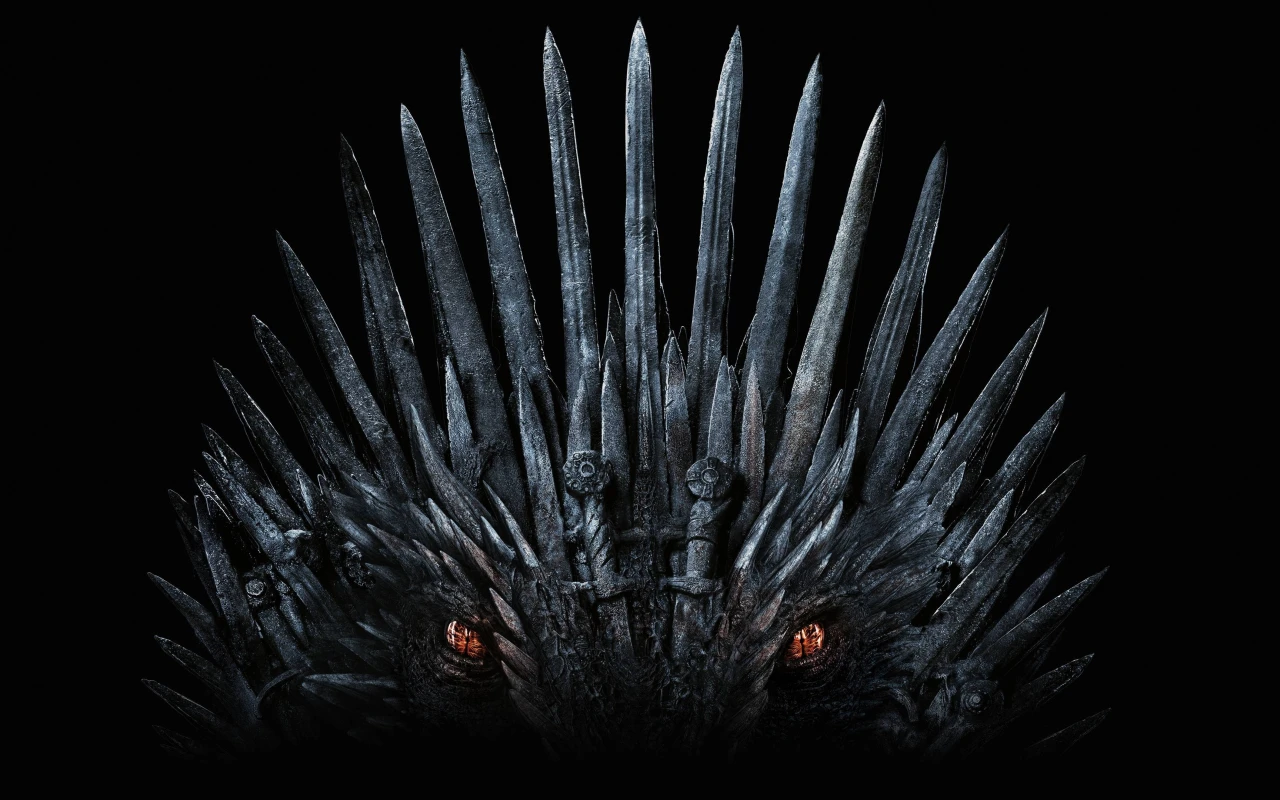
AceShowbiz - Game of Thrones remains one of HBO’s most iconic fantasy franchises, widely regarded as a benchmark for quality television. Over the years, HBO has consistently delivered exceptional content that has redefined expectations in the industry, with [strong]Game of Thrones[/strong] standing out as a pivotal series that shaped the fantasy genre on TV.
While other streaming platforms like Netflix, Disney+, and Prime Video have launched popular fantasy series—such as Netflix's Stranger Things and Wednesday, Disney’s Star Wars-related shows like Andor, and Prime Video’s The Legend of Vox Machina and The Lord of the Rings: The Rings of Power—none have yet matched the cultural impact and storytelling depth of HBO’s flagship franchise. After three major installments, HBO’s fantasy universe continues to evolve and improve.
The original [strong]Game of Thrones[/strong] series captivated audiences for its first four seasons, earning its place as a television milestone. However, the final two seasons, especially season 8, attracted significant criticism for their rushed storytelling and unsatisfying conclusion. This negatively affected the show’s legacy, making its ending a cautionary tale about how not to finish a beloved series.
Despite this setback, HBO sought to restore faith in the franchise with the arrival of House of the Dragon, a prequel that recaptured much of the original’s magic. The first season of House of the Dragon was praised for its strong writing, rich character development, and a compelling mix of high fantasy and political intrigue. It brought back the excitement and quality that fans had hoped for after the original series’ controversial ending.
The reception of House of the Dragon season 1 was overwhelmingly positive, reflected in its ratings: a 90% audience score and 82% critic score on Rotten Tomatoes, and an average IMDb episode rating of 8.7 out of 10. This marked a significant improvement over [strong]Game of Thrones[/strong] season 8, which scored just 55% audience approval, 30% from critics, and averaged 6.4 on IMDb.
However, House of the Dragon season 2 faced challenges. The decision to reduce its episodes from ten to eight led to pacing issues, with much of the season feeling like setup without sufficient payoff. Fans and critics noted that the storyline often dragged, and some characters seemed stuck in place. Additionally, notable deviations from the source material disappointed longtime followers of George R. R. Martin’s works.
Fortunately, the franchise rebounded once again with the debut of A Knight of the Seven Kingdoms. This spin-off presented smaller, character-driven stories adapted faithfully from Martin’s writings. Both critics and viewers embraced the series, appreciating the opportunity to deeply connect with its more intimate narrative and characters. The show’s success injected new life into the franchise and demonstrated its capacity to diversify while maintaining quality.
A Knight of the Seven Kingdoms proved that the franchise can overcome setbacks and continue to grow creatively. Its acclaim reassured fans that HBO remains committed to delivering thoughtful and well-crafted fantasy storytelling, even when facing obstacles.
Looking ahead, questions loom about whether House of the Dragon season 3 will sustain the franchise’s upward trajectory. After the mixed reception of season 2 and the triumph of A Knight of the Seven Kingdoms, expectations are high. Complicating matters is the reported fallout between showrunner Ryan Condal and George R. R. Martin, which could impact the series’ creative direction.
Nonetheless, the initial trailer for House of the Dragon season 3 has generated optimism among fans and critics alike. Anticipation is building to see if the series can once again match or exceed its earlier successes. If it does, the sprawling [strong]Game of Thrones[/strong] universe will continue to set the standard for fantasy television.
In summary, HBO’s three-part fantasy franchise, spearheaded by Game of Thrones, has shown resilience and growth. Despite some missteps, it remains a dominant force in the genre. The franchise’s ability to reinvent itself with strong spin-offs like House of the Dragon and A Knight of the Seven Kingdoms keeps it at the forefront of fantasy storytelling on television, promising more compelling tales to come.