Discover why Alita: Battle Angel is an underrated sci-fi gem, fueled by James Cameron's vision. Explore its stunning world beyond Avatar.
- April 4, 2026
AceShowbiz - Alita: Battle Angel is often overshadowed by the towering legacy of James Cameron's directorial hits, yet it stands as one of the most remarkable sci-fi films of recent years. Despite not being helmed by Cameron himself, this 2019 live-action adaptation of Yukito Kishiro's Gunnm manga showcases Cameron’s visionary influence as a producer and highlights what makes the movie an underrated gem in his expansive cinematic universe.
James Cameron has built a career on blending groundbreaking technology with compelling storytelling, seen in classics like The Terminator, Titanic, and Avatar. While Cameron’s primary focus remains on the sprawling Avatar franchise, his role in producing Alita: Battle Angel demonstrates his commitment to advancing sci-fi cinema beyond his own directorial projects. Cameron’s involvement helped fuel a project that successfully translates a complex manga into a visually stunning blockbuster.
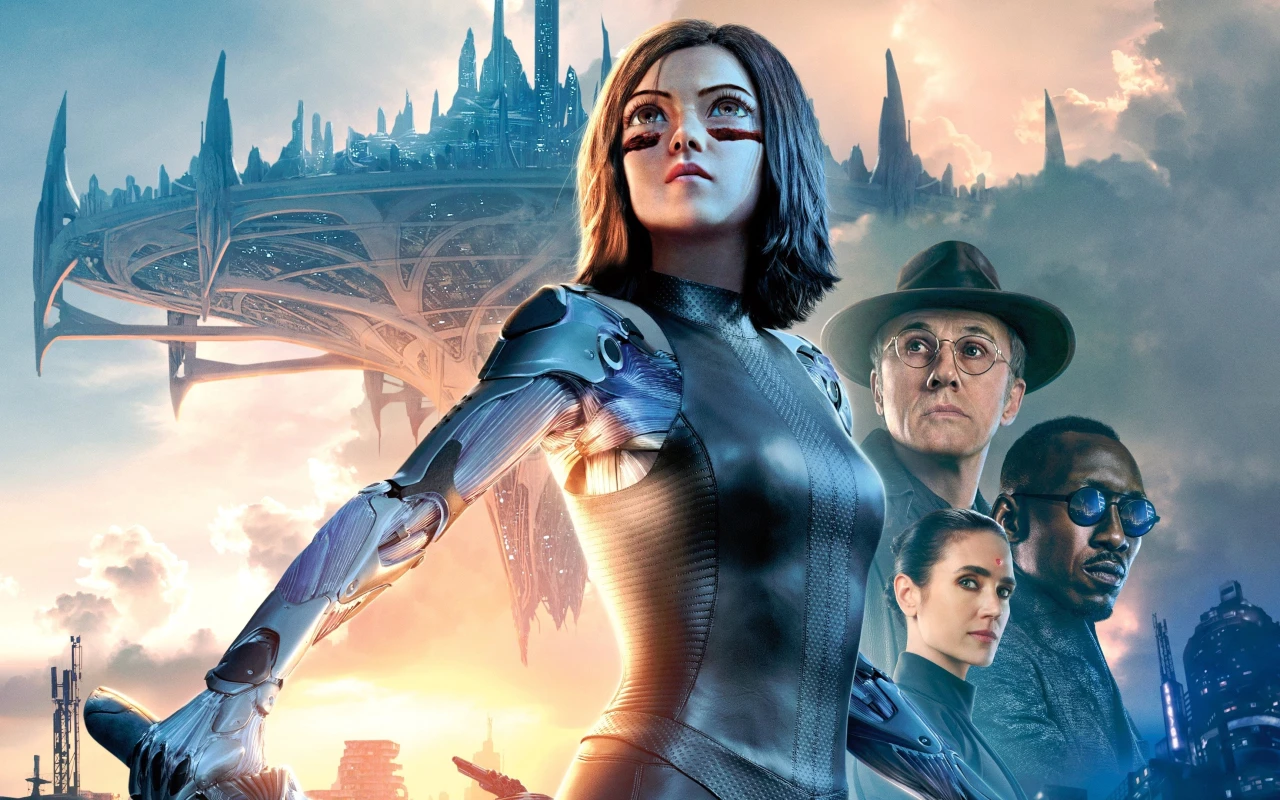
Produced by James Cameron and directed by Robert Rodríguez, Alita: Battle Angel hit theaters in 2019 with a faithful adaptation of the Gunnm manga. The movie brilliantly combines live-action with 3D animation, capturing the unique anime aesthetics that honor the source material. It vividly brings to life the dystopian Iron City—a gritty, trash-laden urban sprawl—and its stark contrast, the pristine, floating city of Zalem. This careful worldbuilding is a testament to the filmmakers' dedication to fans and the spirit of the original manga.
Unlike many failed live-action anime adaptations, Alita: Battle Angel strikes a rare balance between faithfulness and cinematic accessibility. While films like Dragon Ball Evolution and Netflix’s Death Note alienated fans with drastic changes, and even the largely praised One Piece took creative liberties, Alita manages to condense multiple manga arcs into a cohesive and thrilling origin story. The film also elevates the fictional sport of Motorball, using live-action and special effects to create a visceral and dynamic spectacle.
Beyond its status as a manga adaptation, Alita: Battle Angel is a standout sci-fi blockbuster on its own merits. Robert Rodríguez employs a hyper-dynamic directing style, with camera work and choreography that evoke the gravity-defying action typical of high-budget anime OVAs. The synergy of production design and visual effects creates an immersive atmosphere with a distinct anime tint that Western films rarely achieve.
The film’s intricate worldbuilding further enriches its narrative. Iron City serves as a multicultural melting pot of decayed technology and human spirit, contrasted sharply by the utopian Zalem. This layered setting is complemented by a strong cast that lends emotional depth to the high-concept story. Christoph Waltz delivers a soulful, paternal performance as Dr. Ido, while Jennifer Connelly and Mahershala Ali portray Dr. Chiren and Vector with commanding presence, anchoring the film’s dramatic stakes.
One of Alita: Battle Angel’s crowning achievements is its groundbreaking technical work. The seamless integration of a digitally rendered protagonist into a live-action world remains unmatched even years after its release. The character design of Alita, created by Weta Digital with her signature large eyes, avoids the Uncanny Valley that plagues many CGI characters. This design choice enables Alita to appear more expressive and emotionally resonant than many human characters around her. Rosa Salazar’s nuanced performance capture blurs the line between actor and digital creation, offering a natural and fluid portrayal that remains unparalleled in 2026.
Despite its success and fan enthusiasm, Alita: Battle Angel remains a standalone film, though it was initially intended as the first installment of a franchise. The movie ends on a cliffhanger with Alita challenging the floating city of Zalem and teasing the arrival of a formidable new antagonist, Nova, portrayed by Edward Norton. This sets the stage for a sequel that would continue the story, exploring new narrative arcs from Yukito Kishiro's manga, specifically the TUNED arc where Alita evolves into a powerful agent for Zalem.
The sequel would deepen the story’s exploration of class divides and expand the world into the desolate and lawless wastelands outside Iron City, providing a broader, post-apocalyptic landscape. The narrative shift promises to elevate Alita’s character from a reactive protagonist discovering her origins to a fully realized Berserker warrior fighting for justice and representing the oppressed. Fans anticipate this evolution to unfold across a planned trilogy, where Alita’s journey from a weapon of the past to a symbol of hope would be fully realized.
However, despite the passionate fanbase known as the Alita Army, official progress on a sequel has stalled. Nearly seven years after the original release, there has been no significant update on the development or production of Alita: Battle Angel 2. While the possibility remains open, it appears it will take considerable time before the sequel arrives.
For now, fans of Alita: Battle Angel can appreciate the film as a unique achievement in sci-fi cinema and live-action anime adaptation. Its combination of stylistic fidelity, technological innovation, and engaging storytelling sets it apart from other franchise attempts. The film remains a vital example of how anime-inspired narratives can successfully translate to Western blockbuster filmmaking when handled with respect and vision.
As interest in the film’s universe endures, subscribers and fans eagerly await deeper analysis and updates on the franchise. Newsletters and dedicated coverage keep the community informed about James Cameron's influence on the project, the potential for a sequel, and why Alita: Battle Angel continues to be a benchmark for sci-fi adaptations.
In summary, Alita: Battle Angel exemplifies the power of collaboration between visionary producers like James Cameron and creative directors like Robert Rodríguez. It proves that with the right balance of technological innovation, respect for source material, and compelling storytelling, live-action anime adaptations can achieve both critical and fan acclaim. While the wait for a sequel continues, the film’s legacy as a pioneering sci-fi epic remains secure.