Andrew McCarthy almost quit Pretty in Pink after reading the script. Discover why he hated his original character and how the iconic film changed.
- April 1, 2026
AceShowbiz - When Andrew McCarthy signed on for Pretty in Pink, he hadn’t even read the script. “I needed a job and I needed the $50,000 they were going to pay me,” the actor shared in a recent interview. Only during his flight to Los Angeles did he finally open the screenplay, and what he discovered alarmed him.
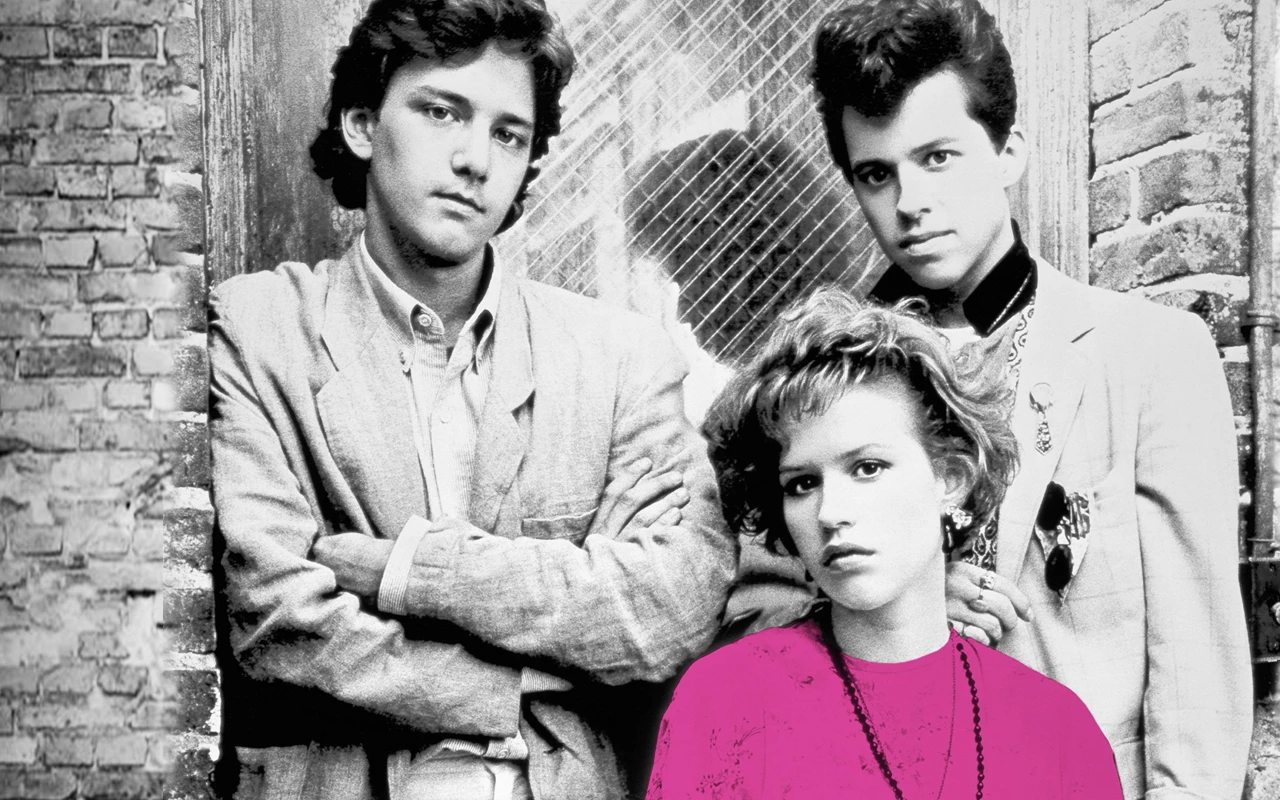
In John Hughes’ original script, McCarthy’s character Blane was far from the romantic hero fans remember. Instead of standing by Andie Walsh, played by Molly Ringwald, Blane caves to peer pressure and dumps her entirely. Landing at LAX, McCarthy immediately called his agent demanding to be removed from the project. “This guy’s a jerk,” he recalled thinking.
Despite his initial misgivings, McCarthy would go on to become synonymous with the film, which celebrates its 40th anniversary this year. What began as a “silly, tepid story about a girl who wants to go to a dance and makes a dress” has since become a defining movie for generations of teens and nostalgic viewers alike.
The role of Blane was originally written for a “broad-shouldered, square-jawed, quarterback hunk type,” something McCarthy, at 22, was not. But during his audition, Molly Ringwald advocated strongly on his behalf. She convinced John Hughes and director Howard Deutch that McCarthy’s sensitive and soulful presence was the perfect fit. Hughes was skeptical, famously dubbing him “that wimp?” Yet, he listened to Ringwald, and McCarthy landed the part, cementing his place in Brat Pack lore.
One of the film’s most famous elements is its heartfelt ending, underscored by the swelling OMD song as Blane finally admits he believes in Andie. However, this was not the original conclusion. The first cut screened to a test audience in an Orange County mall, where viewers responded negatively the moment Blane abandoned Andie and she had to go to prom with Duckie instead.
Faced with the backlash, Hughes spent weeks wrestling with how to fix the ending. With only a day available to reshoot, both McCarthy and John Cryer, who was filming elsewhere, were flown back to Los Angeles. McCarthy faced a unique challenge: he had shaved his head to play a Marine in a New York play and now had to wear a wig for the scene.
Recalling the infamous hairpiece, McCarthy laughed, “If they knew we’d still be talking about this movie 40 years later, they would have paid for a better wig.” The ragged wig was so poor it almost worked in the scene’s favor, making Blane look genuinely sad and vulnerable as he approached Andie to say, “I believe in you, I didn’t believe in me.”
Working with Molly Ringwald was a highlight for McCarthy. He praised her as “the most equal among equals” and admired her professionalism. Though she had already established a working relationship with Hughes, McCarthy was new to the group and initially felt like an outsider.
Beyond the performances, the film’s legendary soundtrack played a crucial role in its enduring appeal. Hughes would arrive on set each day with a boombox and a stack of cassettes, playing music for the cast while they waited to film. This practice helped set the tone and mood, making the soundtrack an integral part of the movie’s identity.
The VHS revolution also contributed to Pretty in Pink becoming a generational touchstone. By bringing the film into homes, it transformed from a popular release into an “obligatory rite of passage,” as McCarthy describes it, akin to the literary significance of Catcher in the Rye for its era.
Four decades later, the film still resonates deeply with audiences, striking an emotional chord between the knees and chest. McCarthy’s reflections offer a fascinating glimpse behind the scenes of a movie that has left an indelible mark on pop culture. From the uneasy beginnings to the iconic wig and reshot ending, the story of Pretty in Pink is as compelling as the film itself.
As the anniversary approaches, fans and newcomers alike can appreciate the complexities behind this beloved coming-of-age drama. What started as a job McCarthy reluctantly accepted has become a lasting legacy, proving that sometimes the most unexpected projects can define a career and touch millions.