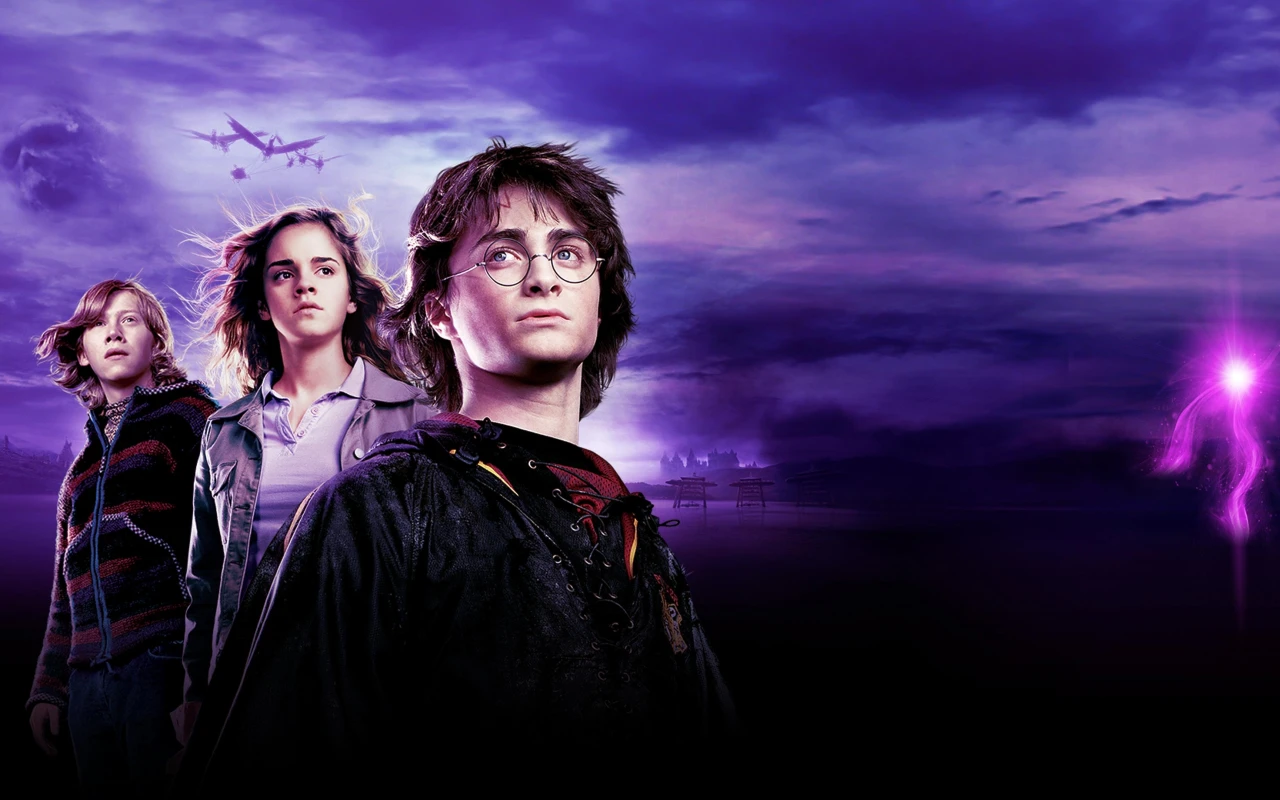
Daniel Radcliffe reveals a near-fatal diving mistake while filming Harry Potter and the Goblet of Fire. Learn the shocking story behind the Black Lake scene.
- March 25, 2026
AceShowbiz - Daniel Radcliffe nearly faced a life-threatening moment while rehearsing an underwater scene for Harry Potter and the Goblet of Fire. The 2005 film, the fourth installment in the Harry Potter series, features a pivotal sequence where Radcliffe's character, Harry Potter, must complete the Triwizard Tournament's second task by diving to the bottom of the Black Lake to rescue a loved one.
During preparations for this challenging scene, Radcliffe revealed on the interview series First We Feast's Hot Ones that he made a crucial error with his diving regulator. He forgot to take a breath at the correct time while practicing mask-clearing exercises, which are essential for learning to dive safely. Normally, divers take a deep breath, remove the regulator, and then reinsert it while holding their breath to avoid inhaling water. However, Radcliffe took out the regulator without inhaling first, leaving no air to clear the regulator when he put it back in.
The actor described the terrifying moment: after putting the regulator back in, he was forced to signal for help underwater, using the universal distress thumb gesture to alert the crew. Fortunately, the stunt coordinator, Greg Powell, recognized the danger immediately and helped Radcliffe out of the water. Powell's calm but firm reaction ensured that Radcliffe would not repeat the mistake again. Reflecting on the incident, Radcliffe admitted, “You won't make that mistake again,” and agreed wholeheartedly.
Filming the Black Lake sequence was an intense experience that lasted six weeks. Radcliffe shared that despite the long schedule, the production only managed to capture an average of five seconds of usable footage per day. This grueling pace made the actor vow never to take on such a demanding underwater shoot again.
In addition to the near-drowning episode, Radcliffe endured other physical challenges during the filming of the second task. In a 2005 interview with Weekly Reader, he revealed that the extensive time spent underwater resulted in two ear infections. The physical toll of the scenes was undeniable but underscored the commitment required to bring the magical task to life on screen.
Despite these hardships, Harry Potter and the Goblet of Fire proved to be a massive success. While its critical reception was slightly less enthusiastic than the previous film, Harry Potter and the Prisoner of Azkaban (2004), the fourth movie outperformed its predecessor at the box office. It grossed an impressive $895 million worldwide compared to Azkaban's $795 million.
On Rotten Tomatoes, the film earned a strong critic score of 88%, though audience ratings were more modest at 74% on Popcornmeter. The film’s director, Mike Newell, introduced a more mature tone and teen drama elements that distinguished this entry from Alfonso Cuarón’s stylistic direction of the third film.
The main trio, including Radcliffe alongside co-stars Emma Watson and Rupert Grint, continued their journey through four more films, concluding the beloved saga in 2011. The series remains a defining cultural phenomenon, and its legacy is set to expand with an upcoming HBO TV adaptation. Scheduled to premiere in early 2027, the show plans to dedicate one season to each of J.K. Rowling’s seven novels.
Although the new Harry Potter TV series will take several years to reach the Goblet of Fire story, Radcliffe’s firsthand account of the underwater filming challenges offers valuable insight. Should the production adopt similar underwater sequences, this experience could guide the next generation of actors in the Wizarding World.