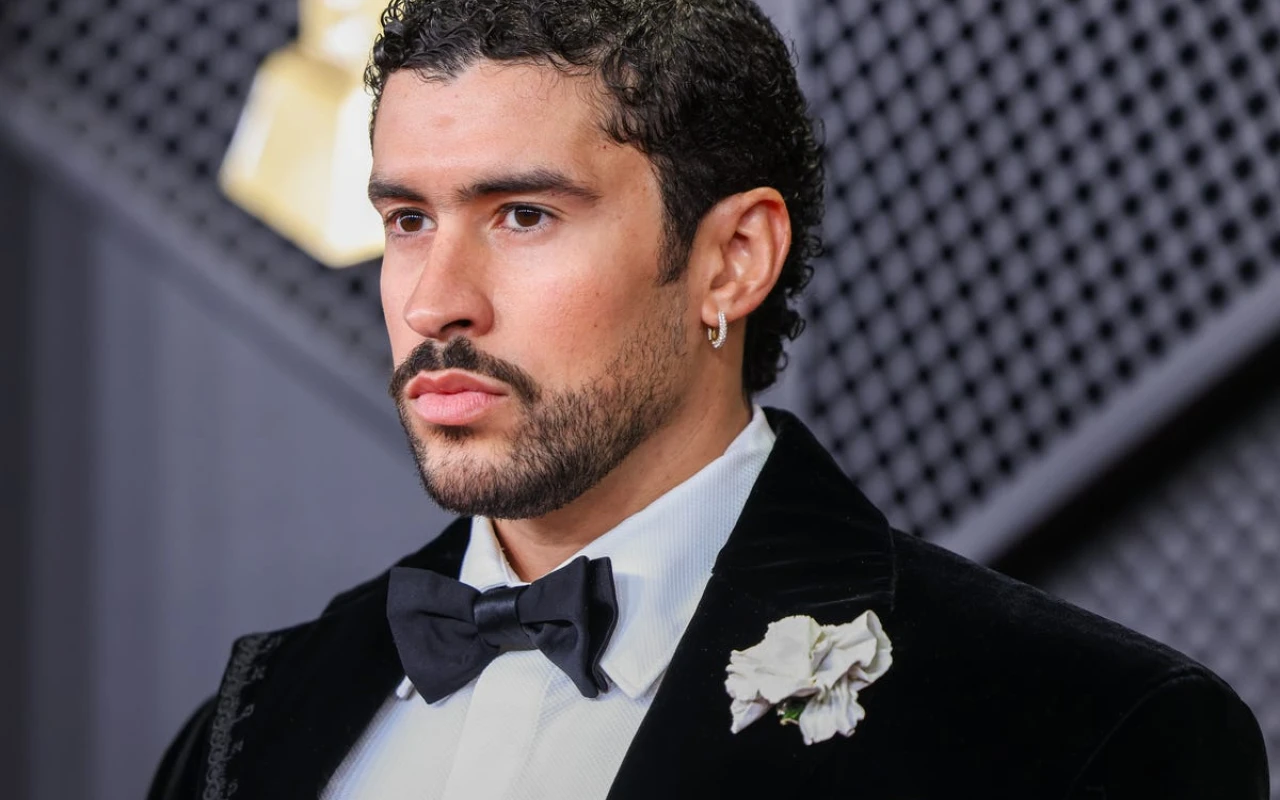
Bad Bunny wins copyright lawsuit over "Enséñame a Bailar" sample, now seeks $465k in legal fees from plaintiff emPawa Africa.
- March 24, 2026
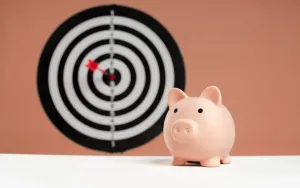
AceShowbiz - Bad Bunny and his legal team are pursuing reimbursement of $465,612 in legal fees following their victory in a copyright lawsuit regarding a sample used on his album Un Verano Sin Ti.
The dispute originated when emPawa Africa, an independent music publisher with ties to Nigerian songwriter Dera, filed suit against Bad Bunny in 2025. The claim centered on the track "Enséñame a Bailar," which allegedly sampled Dera’s 2019 song "Empty My Pocket" without permission. The song appeared on Bad Bunny's critically acclaimed album and even charted on the Billboard Hot 100 for two weeks in 2022.
Bad Bunny has consistently maintained that the sample was legally cleared with the song’s producer, Lakizo, who holds rights to "Empty My Pocket." The lawsuit, however, contended that emPawa had not granted permission for the use.
The case took a significant turn late in 2025 when emPawa’s attorneys withdrew due to what was described as "irreconcilable differences" with their client. This development led a judge to dismiss the lawsuit earlier in March 2026 for lack of prosecution, effectively ending the legal battle in Bad Bunny's favor.
Following the dismissal, Bad Bunny, along with co-defendants including Rimas Entertainment and The Orchard, filed a motion demanding that emPawa be held responsible for covering their legal expenses. The motion, filed on March 23, characterizes the lawsuit as "frivolous" and asserts that emPawa pursued the case solely to pressure Bad Bunny into a settlement due to his high profile and resources.
The legal filing states, "This case was meritless from the beginning and should never have been brought. Instead, emPawa filed and aggressively litigated it, apparently hoping that Bad Bunny's wealth, prominence and desire to avoid attorneys' fees and bad publicity would enable emPawa to extract an undeserved, multimillion-dollar settlement."
According to Bad Bunny's attorneys, emPawa employed delaying tactics throughout the litigation, prolonging the case despite clear evidence that the sample was properly licensed through Lakizo. When required to provide documentation on their ownership of "Empty My Pocket" during the discovery phase, emPawa abruptly abandoned their claims rather than comply with a court order.
The motion further notes, "When faced with an imminent court order that would require it to explain how it owned 'Empty' and Lakizo did not, emPawa chose instead to abandon its claims altogether. That it did not find replacement counsel to prosecute its claims after its original counsel withdrew speaks volumes."
The legal fees in question were accumulated by a team led by prominent music lawyer Jeff Goldman and attorneys from the Florida-based firm Gray Robinson. The senior lawyers billed hourly rates of $555, $615, and $680, reflecting the high level of expertise required for the defense.
Representatives for emPawa have not yet responded to inquiries about the motion for fee reimbursement. Notably, Bad Bunny is only seeking to recover legal expenses from emPawa and not from Dera, the Nigerian songwriter who was also named as a plaintiff. The motion clarifies that "It is moving defendants' belief that this co-plaintiff, Ezeani Chidera Godfrey p/k/a Dera, was not primarily responsible for the prosecution of the lawsuit, nor did he finance the lawsuit."
Under U.S. copyright law, courts may order the losing party to pay the winner’s legal fees if the court finds that the case was frivolous or handled unreasonably. This provision aims to discourage baseless lawsuits and protect artists from unjust legal harassment.
Successful musicians frequently pursue such fee recoveries following copyright disputes. For instance, pop icon Mariah Carey is currently seeking $1 million in legal costs after successfully defending herself against a similar claim involving her hit "All I Want for Christmas Is You." Likewise, rapper Nelly has demanded reimbursement of $78,000 in legal fees related to litigation over rights to his debut album Country Grammar.
Bad Bunny's legal battle highlights the ongoing challenges that artists face regarding sample clearance and copyright claims, especially when multiple parties hold rights to original works. The motion for legal fee reimbursement signals a strong stance against what Bad Bunny and his team describe as meritless claims aimed at exploiting high-profile artists.
As the case proceeds, industry observers will be watching closely to see whether the court will order emPawa to pay the substantial legal fees accrued by Bad Bunny and his co-defendants, potentially setting a precedent for future copyright litigation in the music world.
This article is based on reporting originally published by Billboard.