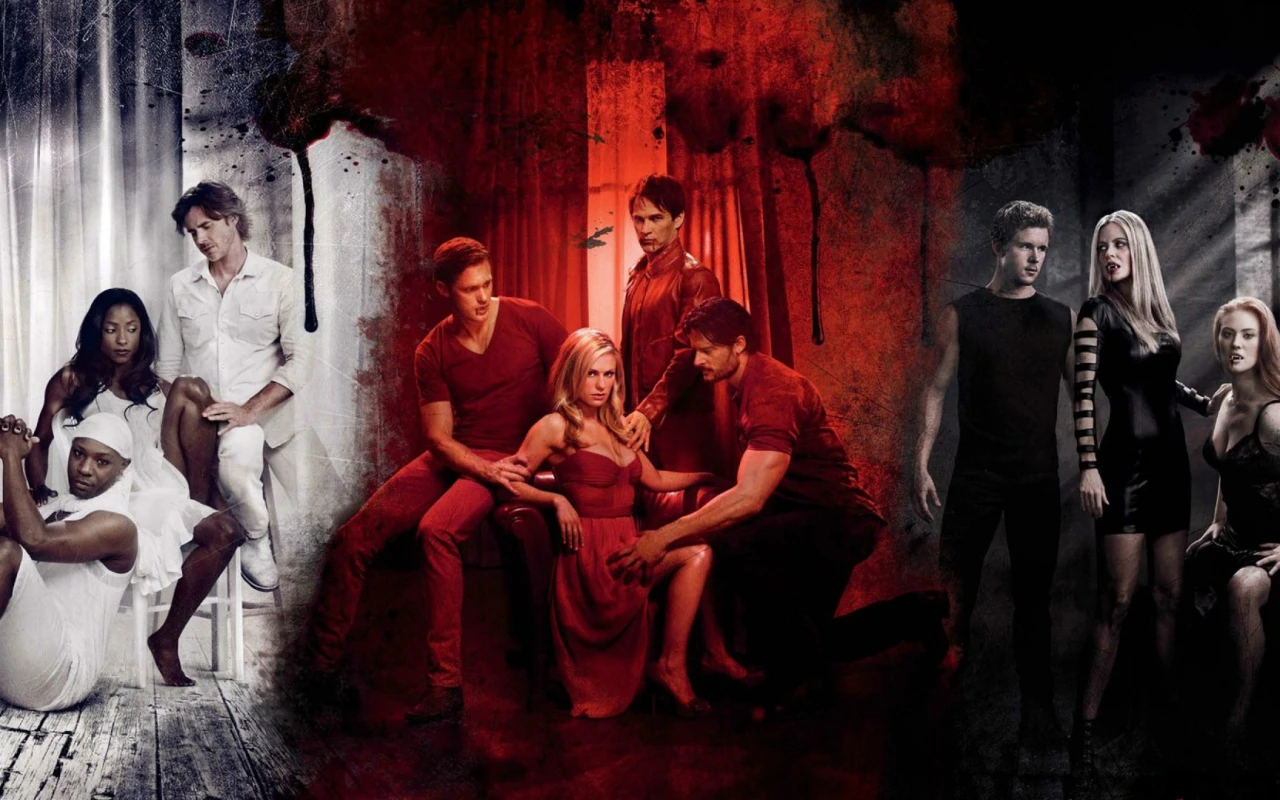
Explore the dark, Southern charm of HBO's True Blood, a gritty vampire series that blends politics, fantasy, and grounded storytelling.
- March 23, 2026
AceShowbiz - True Blood stands out as a 2008 HBO fantasy series that skillfully brought Charlaine Harris' Southern Vampire Mysteries novels to the small screen. The show carved a unique niche by combining dark, gritty themes with a blend of graphic content, political undertones, and a distinctly Southern charm. Unlike many vampire series of its time, including titles like The Vampire Diaries and The Originals, True Blood maintained a grounded feel through its characters and storytelling, particularly through its central figure, waitress Sookie Stackhouse.
Adapting a sprawling series of over 13 novels into a television format is a considerable challenge. The Southern Vampire Mysteries feature more than a dozen books and additional short stories, all centered on Sookie’s experiences in a supernatural-infused Louisiana. HBO, during its Peak TV era, was known for pushing boundaries with taboo subjects often involving sex and violence. However, True Blood found a subtler yet powerful approach by focusing on the heart of the novels: Sookie herself.
The novels are not defined by explicit content or shock value but instead offer a unique perspective through Sookie’s voice—a blend of femininity, strength, and unwavering honesty. True Blood retained this delicate balance by telling a dark and violent story from Sookie’s point of view, which added levity and Southern politeness to otherwise brutal fantasy conflicts. This approach allowed the show to satisfy HBO’s brand expectations visually and thematically, portraying a nighttime world filled with vampires, werewolves, and other creatures without losing the story’s charm.
The series also embraces the visual storytelling opportunities that television offers. The nighttime setting intrinsic to vampire lore creates a naturally dark and atmospheric backdrop. True Blood does not shy away from graphic scenes of blood and violence, which contrast with Sookie’s polite Southern demeanor and the quaint town of Bon Temps, Louisiana. This juxtaposition elevates the narrative, challenging traditional vampire genre tropes while engaging with contemporary social themes.
While the show follows the novels closely, it makes necessary adjustments to adapt the extensive source material into a coherent TV narrative. Certain characters and plotlines from the books are omitted or simplified to avoid overwhelming viewers with too many threads. For example, Sookie’s high school admirer JB du Rone is entirely removed, and Jason Stackhouse’s encounter with the werepanthers is significantly downplayed. Conversely, the show expands the roles of some characters who become fan favorites, such as Lafayette, Tara’s cousin who is killed early in the novels but plays a larger role onscreen, as well as the troubled Terry Bellefleur and Bill’s protégé Jess. These changes highlight the series’ emphasis on Sookie’s open-mindedness and its critique of Southern traditions and prejudices.
Despite these alterations, True Blood remains faithful to the core themes of the Southern Vampire Mysteries. The books often depict frightening and violent events through Sookie’s mild-mannered and introspective narrative voice, which includes her thoughts on mundane matters like cleaning and tanning. While this internal monologue softens the darkness in the novels, the TV adaptation intensifies these elements, allowing the themes of acceptance, otherness, and morality to resonate more powerfully with viewers.
One of the show’s most striking achievements is showing a polite, small-town woman like Sookie physically immersed in battles involving supernatural monsters. This visual representation underscores the uniqueness of her character and the story’s setting. The supernatural elements feel even more out of place against the familiar backdrop of Bon Temps, making Sookie’s courage and tolerance all the more compelling. Her willingness to defy the townsfolk’s often hostile attitudes toward the supernatural community is a central element that drives both the novels and the show.
The Southern Vampire Mysteries novels stand as captivating reads on their own, but their adaptation into True Blood demonstrates how a well-executed television series can elevate and expand the source material’s impact. The HBO series exemplifies how to translate complex, multi-book franchises to the screen successfully, preserving the original’s spirit while making necessary adjustments for the medium.
In summary, True Blood is a prime example of an adaptation done correctly. It balances graphic content with charm, stays true to its protagonist’s perspective, and carefully selects which plot and character elements to highlight or omit. By doing so, it offers a fresh, compelling take on vampire lore that remains relevant and engaging years after its debut.