Explore the innovative sounds of guitar legend Adrian Belew, his iconic collaborations, and his exciting 2026 touring projects.
- March 18, 2026
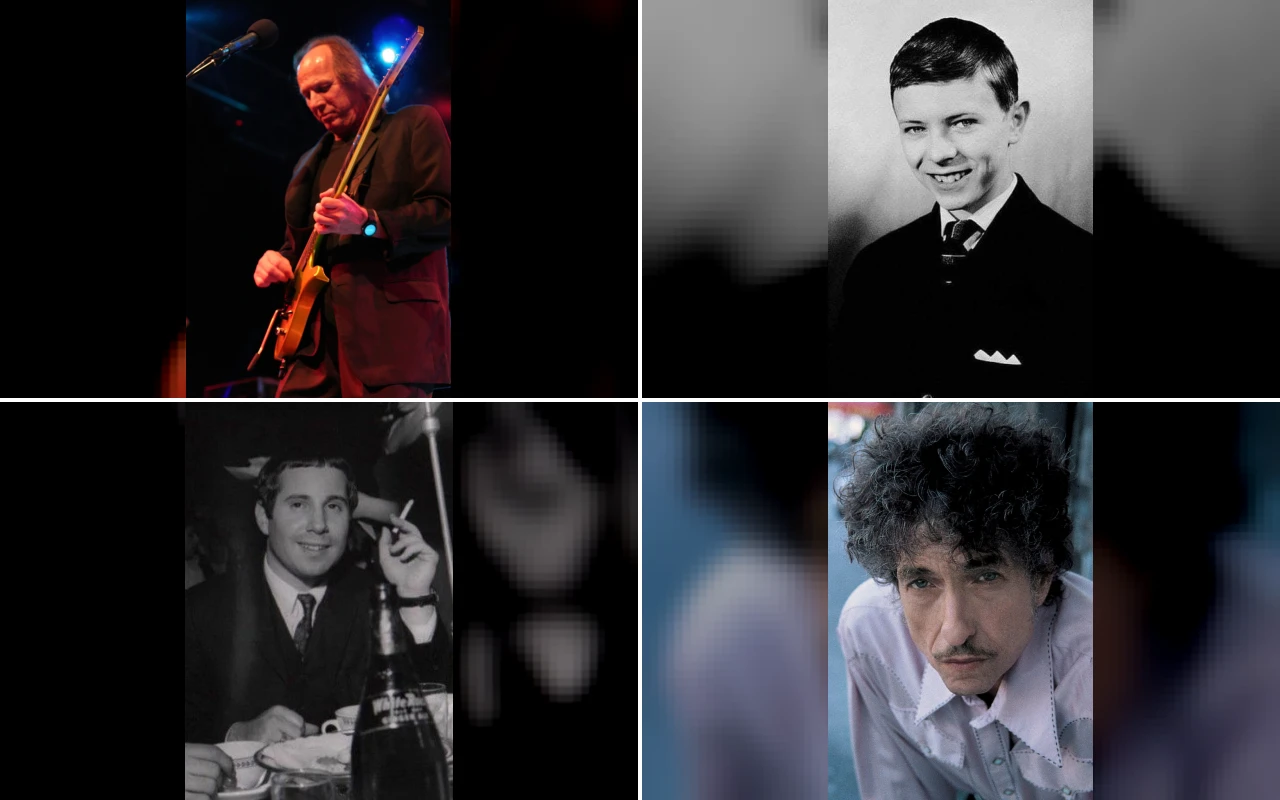
AceShowbiz - Adrian Belew is not just a session guitarist; he is a master of innovative sound who has left a lasting impact on some of the most influential albums and artists. His ability to solve complex musical challenges has made him a sought-after collaborator, helping legendary musicians like David Byrne, Trent Reznor, and Paul Simon craft groundbreaking music. Belew fondly recalls a compliment from performance artist Laurie Anderson, who described him as “the man with the interesting sounds,” a fitting label for his unique approach to guitar playing.
Looking ahead to 2026, Adrian Belew will demonstrate his musical versatility through several exciting projects. He is scheduled to tour the West Coast and Australia with Jerry Harrison, performing the entirety of Remain in Light, the classic album by Talking Heads. In June, he will join BEAT, a progressive rock supergroup connected to King Crimson and featuring bassist Tony Levin, for an extensive European tour. Alongside these ventures, Belew plans to record new material with the Adrian Belew Power Trio at his home studio, showcasing his ongoing creative drive.
Reflecting on his collaborations, Belew shares a poignant truth: “I love everybody I've ever worked with. That's the problem. You see them for such an intense period, and then they're gone.” This sentiment resonates deeply as he reminisces about his past experiences and the fleeting but impactful connections formed during studio sessions and tours.
One of Adrian Belew’s earliest notable assignments was working with the legendary David Bowie and Brian Eno. Belew describes the unique circumstances of joining the recording of Bowie’s album Lodger. The sessions took place in the Swiss studio immortalized by Deep Purple’s “Smoke on the Water,” a place rebuilt as a concrete bunker after a devastating fire. In a highly unconventional recording process, Belew was intentionally kept in the dark about the key or structure of the songs he was asked to play on, receiving only brief attempts to contribute guitar parts without prior knowledge. His contributions to tracks like “Boys Keep Swinging” were later edited and pieced together to form the final guitar solos, exemplifying an experimental approach to music production.
Belew notes that Bowie was going through a difficult period during these sessions, and the album Lodger did not receive much promotion from RCA, his label at the time. Despite this, Belew regards it as one of Bowie’s most adventurous records, marking a departure from commercial expectations before Bowie later achieved massive success with Nile Rodgers.
Another significant collaboration was with Frank Zappa. Although Belew never recorded in the studio with Zappa, much of their work together took place live during tours and soundchecks. Belew recalls recording parts for the album Sheik Yerbouti during live soundchecks, highlighting Zappa’s innovative recording techniques. A memorable moment from this period was Belew’s Bob Dylan-style vocal imitation on the track “Flakes,” which Zappa embraced enthusiastically, demonstrating the creative spontaneity that defined their partnership.
During the making of Graceland with Paul Simon, Belew experienced a remarkable encounter with Bob Dylan. While attending a concert by Lonnie Mack alongside Simon, Mick Jagger, and Keith Richards, Simon introduced Belew to Dylan, who acknowledged having heard of Belew’s work. Belew was struck by this unexpected recognition but never had the chance to learn exactly what Dylan had heard about him, a mystery that remains unresolved.
Adrian Belew’s connection to Talking Heads began after he was invited to join them onstage during an encore performance of “Psycho Killer.” This moment sparked a strong working relationship that led to Belew being called upon during the challenging sessions for Remain in Light in New York. With band members Chris Frantz and Tina Weymouth temporarily away, Byrne, Eno, and Jerry Harrison struggled to find direction for the album. Belew was recruited to add guitar parts to a series of tracks that lacked traditional structure, chord changes, or vocals.
In the studio, Belew found the atmosphere ideal for experimentation. The open-ended nature of the music allowed him to explore his guitar in ways that felt effortless and inspired. His contributions, particularly the solos on “The Great Curve,” were crafted by playing alongside the tracks without pre-arranged cues, allowing the music to evolve organically. The band members were visibly excited by the sounds Belew created, signaling the importance of his input in shaping the album’s distinctive sound.
Throughout these collaborations, Belew was often caught amidst the interpersonal dynamics and creative tensions of the groups he worked with. He had a close bond with David Byrne but also witnessed the complexities of band relationships firsthand. One especially notable anecdote involves Belew’s efforts to prevent Tina Weymouth from ousting Byrne from Talking Heads, illustrating his loyalty and investment in the group’s cohesion.
Adrian Belew’s career is marked by his ability to adapt and innovate within a diverse range of musical contexts. Whether contributing to the art-rock experimentation of Bowie and Zappa, the worldbeat fusion of Simon, or the pioneering new wave of Talking Heads, his distinctive guitar work has continually pushed boundaries. His upcoming tours and recordings promise to further showcase the breadth of his talent and his enduring influence on modern music.
As Belew prepares for a busy year ahead, his reflections on past projects reveal a musician deeply committed to collaboration and creativity. His story is not only one of technical skill but also of meaningful connections forged through sound, making him a truly unique figure in the landscape of contemporary music.