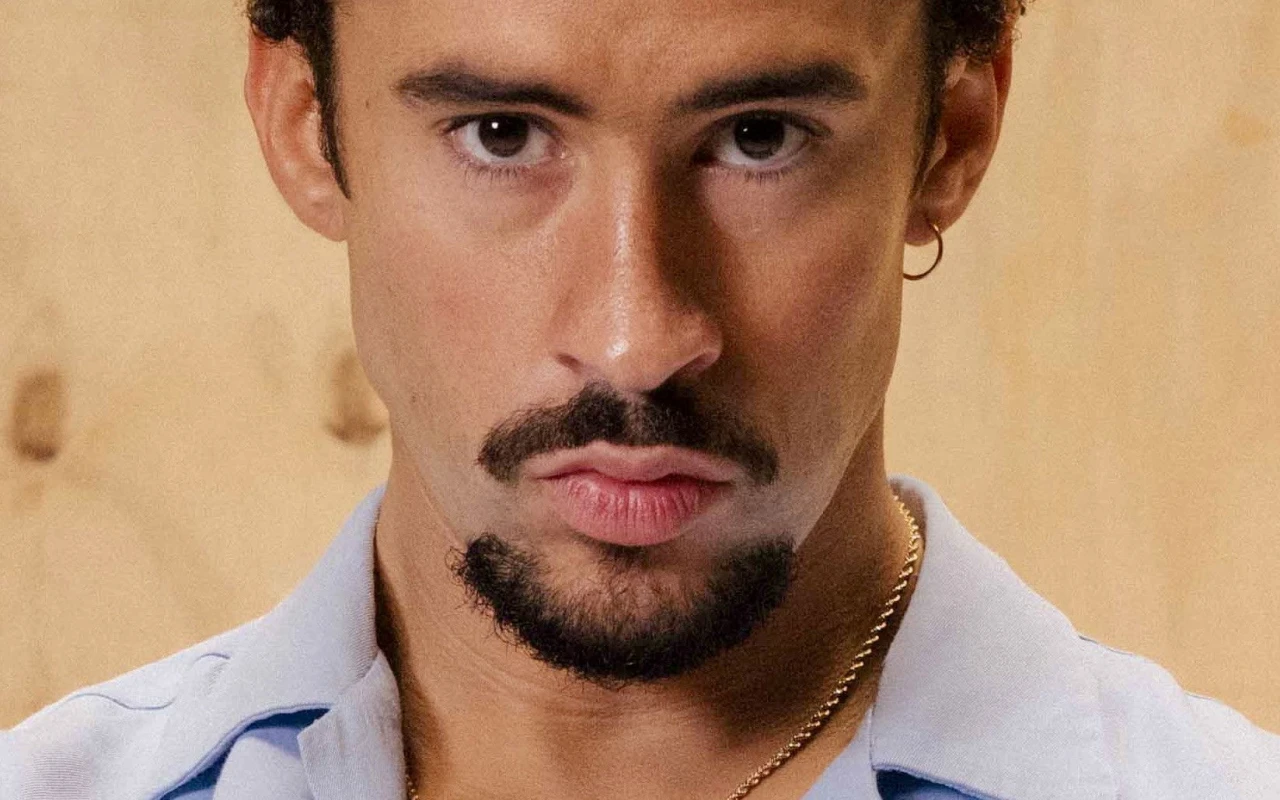
Bad Bunny's Super Bowl LX halftime show celebrated Puerto Rican heritage and unity, blending culture, history, and powerful messages of resilience.
- February 10, 2026
AceShowbiz - Bad Bunny transformed the Super Bowl LX halftime show on February 8 into an exuberant celebration of identity, history, and unity, intertwining his Puerto Rican heritage with broader themes that resonate across the Americas.
From the initial scene featuring sugar cane fields—an homage to the island's colonial history—to the depiction of the now-iconic Casita, the Puerto Rican superstar honored the resilience and struggles of his homeland. Tributes to barber shops, domino tables, piragua vendors, and Nuyorican pride vividly showcased the everyday traditions and essence of Caribbean culture.
The layers of symbolism were profound: “El Apagón” highlighted Puerto Rico's ongoing power grid issues and displacement. Additionally, a heartfelt shoutout to every nation in the Americas delivered a powerful message of interconnectedness.
Amid touching moments, such as the Grammy handoff to a young boy dressed as a young Benito and an actual wedding on stage, the hitmaker demonstrated that his halftime show transcended mere entertainment—it was a celebration of heritage, community, and resilience.
Ranked among the most-watched halftime performances in Super Bowl history, Bad Bunny’s show left an impact that extended beyond entertainment. The performance was not just a 13-minute medley of his hits; it was a meticulously curated display of cultural pride. As the night concluded with his message “Together We Are America” emblazoned on a football, El Conejo Malo showcased to the world that halftime shows can be profound and meaningful.
Let’s take a closer look at the references and moments you may have overlooked.
The groundbreaking halftime show began with an Afro-Latino guitarist donning a pava (straw) hat, proclaiming: “Qué rico es ser latino” (or “How wonderful it is to be Latino”). This performance, delivered by Alexander Mercedes, a young Dominican singer from La Romana, paid tribute to the legendary Anthony Santos with his song “Hoy Se Bebe,” set against the backdrop of a cane field in the Dominican Republic. This melody also introduces “Tití Me Preguntó,” produced by MAG, who is of both Dominican and Puerto Rican descent.