Tucker Carlson's frequent demon references spark viral curiosity—over 500 searches in a day. Explore what's behind his intense new rhetorical fixation.
- November 2, 2026
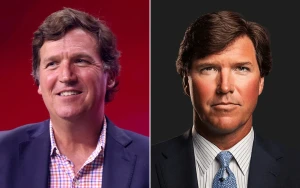
AceShowbiz - Tucker Carlson has become the center of a surprising new wave of public interest, thanks to his unusually frequent and intense references to demons across his media appearances. This unexpected thematic fixation has not only caught the attention of viewers but also sparked widespread discussion about what lies behind Tucker Carlson’s latest rhetorical direction.
In recent months, Tucker Carlson has incorporated mentions of demons into his commentary with a frequency and fervor that is unprecedented in his career. Far beyond typical metaphorical uses, these references have become a recurring motif, suggesting a deeper, almost symbolic preoccupation. This shift has caused his audience and critics alike to take notice, driving a surge of over 500 searches in the past day alone as curiosity about this development grows.
What sets this new angle apart is how consistently and explicitly Tucker Carlson intertwines the concept of demons with political and cultural narratives. His discussions position these entities not only as figurative adversaries but as real forces influencing societal events and ideological battles. This approach has created a unique blend of political commentary and quasi-mystical storytelling, which has become a defining characteristic of his recent broadcasts.
The rise of this demon-centric rhetoric coincides with an evolving media landscape where symbolic and unconventional narratives increasingly attract attention. Tucker Carlson’s turn toward this theme could be interpreted as a strategic move to differentiate his voice amid fierce competition, or possibly as a reflection of deeper personal or ideological beliefs. Regardless, it has undeniably amplified his visibility, sparking discussions beyond the usual political sphere into cultural and even supernatural domains.
This new focus has also invited analysis from various quarters, with some observers intrigued by the psychological and cultural implications of demon imagery in political discourse. It raises questions about how such symbolism resonates with audiences feeling alienated or fearful in turbulent times. Tucker Carlson’s embrace of this motif might be tapping into collective anxieties in a way that few public figures have attempted, if only to provoke and engage.
While Tucker Carlson has long been known for his provocative style, the demon fixation marks a distinct departure from his previous thematic frameworks. It remains to be seen whether this will be a sustained element of his persona or a passing phase, but the immediate impact is clear: he has captured the public imagination in a way that few pundits can claim today.
As this trend continues to unfold, entertainment and political observers will be watching closely to see how Tucker Carlson develops this narrative thread and what it means for his influence in media and culture moving forward. For now, his demon references have cemented him as a uniquely enigmatic figure in the modern media landscape, sparking curiosity, debate, and no shortage of headlines.
This article is based on reporting originally published by Freep.