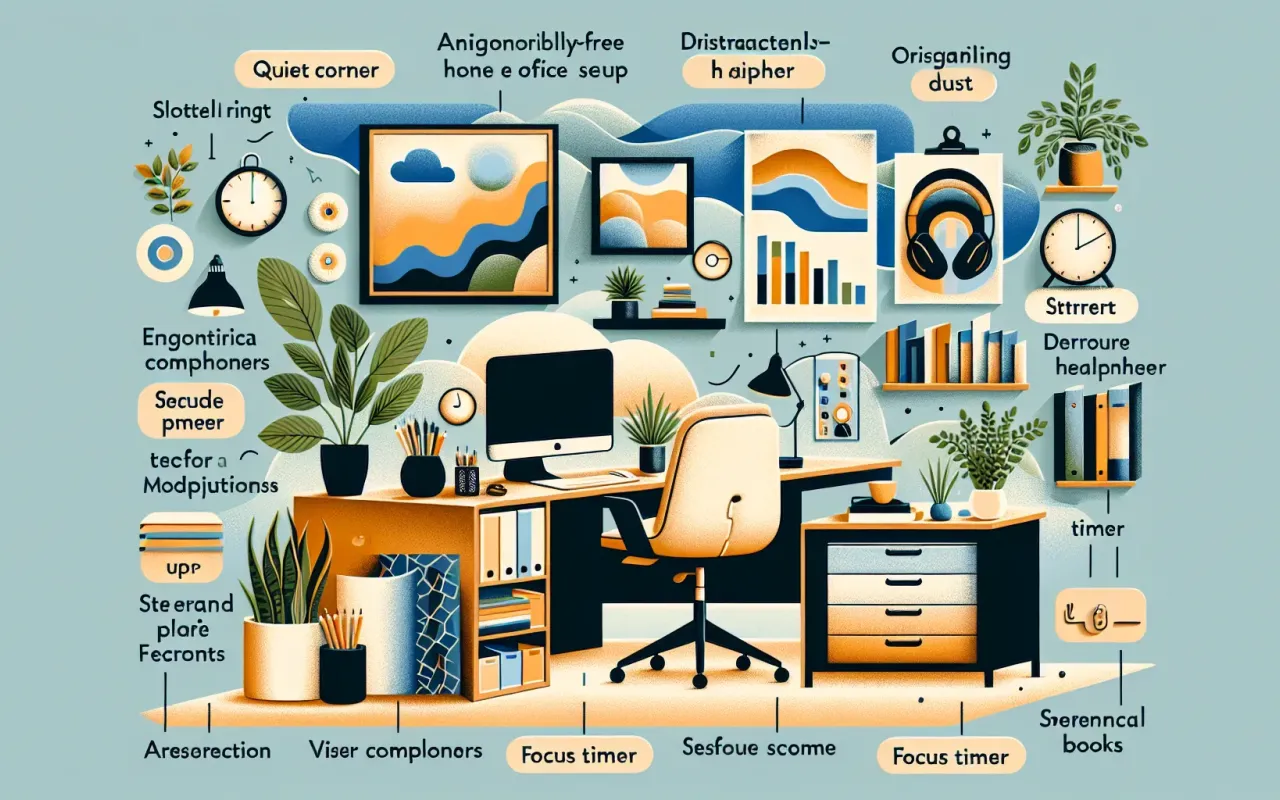
Discover 10 proven tips for creating a distraction-free home office setup, enhancing productivity and minimizing interruptions. Follow these expert guidelines for an optimized workspace.
- September 28, 2024
AceShowbiz - Working from home has become increasingly common, making it essential to create a workspace that minimizes distractions and maximizes productivity. In this article, we will explore 10 proven tips for creating a distraction-free home office setup, offering solutions to common issues and enhancing your work environment. By following these guidelines, you can build an efficient and focused workspace that supports your professional success.
1. Choose the Right Location
The first step in creating a distraction-free home office setup is selecting an appropriate location. Ideally, choose a room with a door that you can close to maintain privacy and reduce noise. If a separate room isn't available, create a designated corner in a less-trafficked area of your home. Avoid setting up your workspace in high-traffic areas like the living room or kitchen.
2. Invest in Ergonomic Furniture
An ergonomic setup not only promotes good posture but also enhances concentration and productivity. Invest in a high-quality desk and ergonomic chair that support your back and encourage a comfortable sitting position. Consider adding a standing desk option to alternate between sitting and standing throughout the day.
3. Optimize Lighting
Proper lighting is crucial for reducing eye strain and maintaining focus. Natural light is the best option, so position your desk near a window if possible. Supplement with soft, diffused artificial lighting to avoid harsh shadows. An adjustable desk lamp can provide additional lighting control, especially during evening hours.
4. Minimize Digital Distractions
Digital distractions are one of the most common challenges in a home office. Use apps and tools to block distracting websites and notifications during work hours. Set specific times to check emails and social media, and turn off non-essential notifications on your devices to stay focused.
Utilize Productivity Tools
Leverage productivity tools and apps to organize tasks and manage time effectively. Tools like Pomodoro timers, task management software, and calendar apps can help structure your workday and keep you on track.
5. Keep Your Workspace Organized
A cluttered workspace can lead to a cluttered mind. Keep your desk tidy by organizing documents, supplies, and equipment. Use organizers, shelves, and storage solutions to maintain order and reduce visual distractions.
Implement a Filing System
Develop a filing system for both physical and digital documents. Label folders clearly and keep important files within easy reach. Regularly declutter and archive files that are no longer needed to maintain a streamlined workspace.
6. Establish a Routine
A consistent daily routine helps signal to your brain that it's time to focus on work. Start your day with a morning routine that prepares you mentally and physically for work. Set specific working hours and stick to them, including scheduled breaks to recharge.
7. Manage Noise Levels
Noise can be a significant source of distraction in a home office. Use noise-canceling headphones or earplugs to block out unwanted sounds. Consider playing background music or white noise to create a calming environment and enhance concentration.
8. Personalize Your Space
Making your workspace visually appealing can boost motivation and comfort. Add personal touches like plants, artwork, or family photos. A well-decorated office can make you feel more connected to your workspace and improve overall job satisfaction.
9. Maintain Healthy Boundaries
Set clear boundaries with family or roommates to minimize interruptions. Communicate your working hours and the importance of minimizing disruptions during those times. Use visual cues like a closed door or a "do not disturb" sign to reinforce those boundaries.
10. Take Care of Yourself
Maintaining your well-being is crucial for long-term productivity. Take regular breaks to stretch, hydrate, and rest. Practice self-care activities such as exercise, meditation, and hobbies to manage stress and maintain a healthy work-life balance.
Conclusion
Creating a distraction-free home office setup is essential for staying productive and focused while working from home. By choosing the right location, investing in ergonomic furniture, optimizing lighting, minimizing digital distractions, and maintaining an organized and personalized workspace, you can significantly enhance your work performance. Establishing a routine, managing noise levels, setting healthy boundaries, and prioritizing self-care are also crucial steps in achieving a successful home office environment. Follow these 10 proven tips to create a workspace that supports your professional growth and well-being.