Arthur Antunes Coimbra, universally known as Zico, stands as one of the most gifted footballers ever to emerge from Brazil. Born on March 3, 1953, in Rio de Janeiro, he grew up in the working-class neighborhood of Quintino Bocaiúva, the youngest of six children in a family of Portuguese descent. His father was a passionate football fan who nurtured his children's love for the sport, and young Arthur earned the nickname "Zico" as a diminutive form of his name. He began his youth career with Flamengo in 1967 and quickly distinguished himself as an attacking midfielder of extraordinary technical ability, vision, and goal-scoring instinct.
Zico spent the majority of his club career at Flamengo, where he became the club's greatest icon. He made his senior debut in 1971 and went on to win numerous titles, including four Brazilian national championships and the 1981 Copa Libertadores, followed by the Intercontinental Cup that same year. His performances for Flamengo established him as a creative playmaker with a rare combination of dribbling skill, passing accuracy, and a lethal eye for goal. He was particularly renowned as one of the greatest free-kick specialists in football history; according to one estimate, he scored 101 direct free-kick goals including friendlies, with 62 verified in official matches. He was elected Player of the Year in 1981 and 1983.
On the international stage, Zico earned 71 official caps for Brazil and scored 48 goals, making him the fifth-highest goalscorer in the national team's history. He represented his country at the 1978, 1982, and 1986 World Cups. Although Brazil did not win any of those tournaments, the 1982 squad is widely regarded as one of the greatest teams in World Cup history, and Zico's performances captivated audiences worldwide. His failure to lift the World Cup has led many to describe him as the greatest Brazilian player never to win the tournament. His brilliance was such that Pelé once described him as "the one player that came closest to me throughout the years." In 1999, Zico placed seventh in the FIFA Player of the Century grand jury vote, and in 2004 he was named to the FIFA 100 list of the world's greatest living players.
After retiring as a player, Zico transitioned into coaching and management. He served as head coach of the Japan national team, leading the squad to victory at the 2004 Asian Cup and guiding them at the 2006 FIFA World Cup. He later coached Fenerbahçe, taking the Turkish club to the quarter-finals of the UEFA Champions League in the 2007–08 season. He also managed CSKA Moscow, Olympiacos, and the Iraq national team. In addition to his coaching career, Zico has worked as technical director at Kashima Antlers, continuing to contribute his vast football knowledge to the game.
Beyond football, Zico briefly ventured into politics, serving as Brazil's Minister of Sport between 1990 and 1991. His legacy endures as one of the finest playmakers the sport has ever seen, celebrated for his creativity, sportsmanship, and the sheer artistry of his play. His influence on Brazilian football and the global game remains profound, and he is remembered as a true ambassador of the beautiful game.
⭐
Similar Celebrities


📷
Recent Photos

Katie Price
Katie Price Launches Only Fans Channel - Photocall
Jan 26, 2022

Katie Price
Katie Price Launches Only Fans Channel - Photocall
Jan 26, 2022
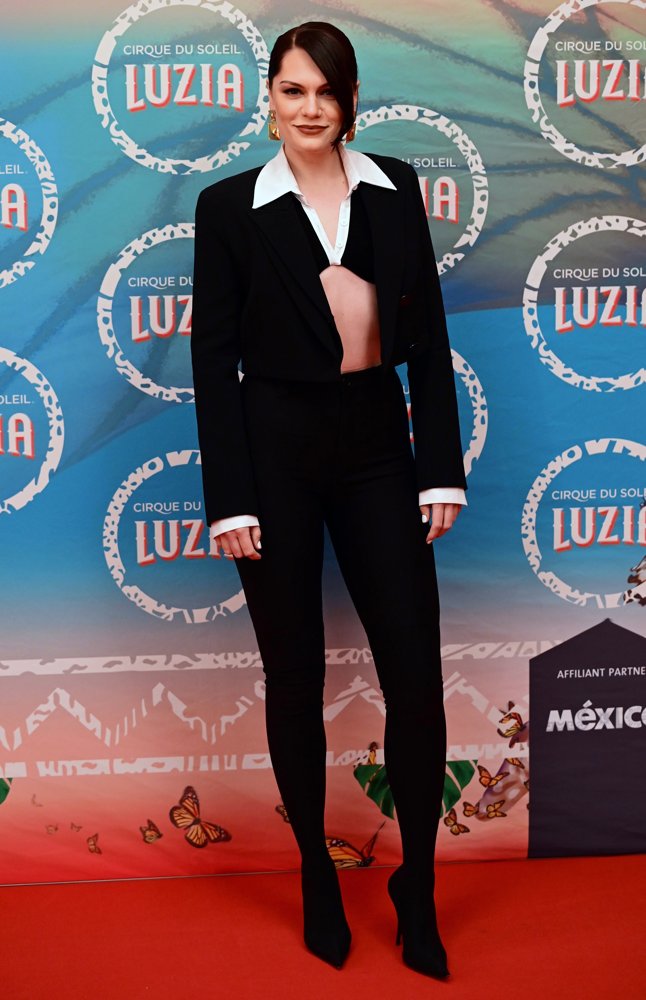
Jessie J
The Premiere of Cirque Du Soleil Luzia
Jan 13, 2022
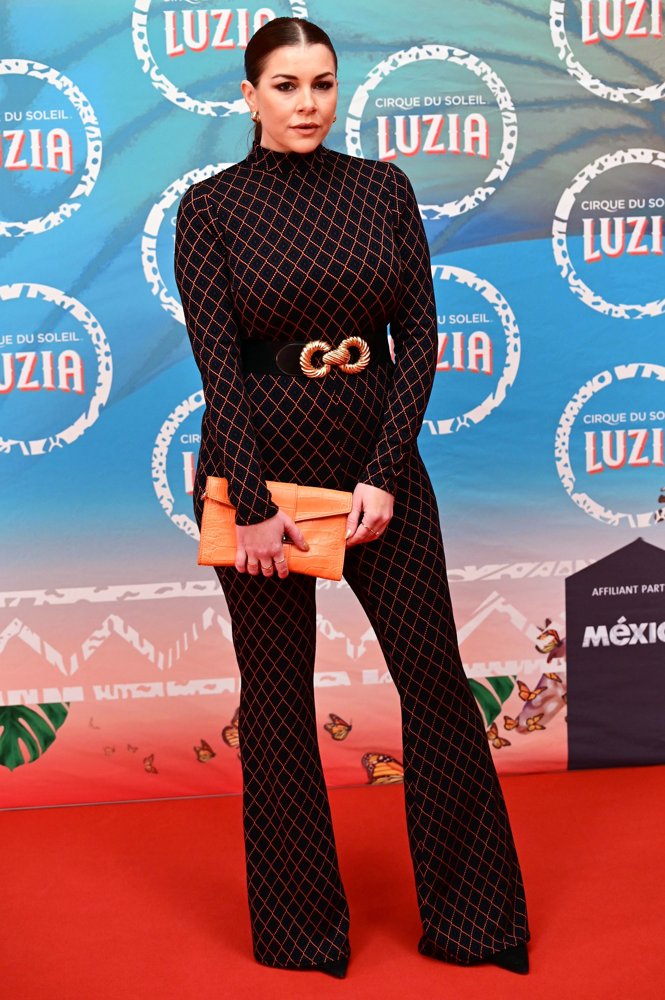
Imogen Thomas
The Premiere of Cirque Du Soleil Luzia
Jan 13, 2022

Hayley Palmer
The Premiere of Cirque Du Soleil Luzia
Jan 13, 2022

Phoenix Chi Gulzar
The Premiere of Cirque Du Soleil Luzia
Jan 13, 2022





⭐Featured Celebrities