Werner Herzog, born Werner Stipeti? on September 5, 1942, in Munich, Germany, stands as one of the most singular and uncompromising voices in the history of cinema. A pioneer of the New German Cinema movement, Herzog has built a career spanning over six decades, marked by a relentless pursuit of extreme human experiences and the raw, unforgiving power of nature. His films, both narrative and documentary, are characterized by ambitious protagonists chasing impossible dreams, individuals with extraordinary talents in obscure fields, and the profound, often violent, conflict between humanity and the natural world. His reputation as a cinematic visionary was cemented early on, with French filmmaker François Truffaut famously declaring him "the most important film director alive," while critic Roger Ebert noted that Herzog "has never created a single film that is compromised, shameful, made for pragmatic reasons, or uninteresting."
Herzog’s filmmaking philosophy is as distinctive as his subject matter. He famously eschews storyboards, preferring improvisation and a state of heightened reality on set, often placing his cast and crew in the very real and perilous situations depicted on screen. This method was never more evident than in his legendary, tumultuous collaborations with actor Klaus Kinski. Together, they created a canon of explosive, obsessive cinema, including Aguirre, the Wrath of God (1972), Nosferatu the Vampyre and Woyzeck (both 1979), Fitzcarraldo (1982), and Cobra Verde (1987). Herzog later chronicled their volatile yet productive relationship in the documentary My Best Fiend (1999). Beyond his work with Kinski, his narrative filmography includes the haunting The Enigma of Kaspar Hauser (1974), the hypnotic Heart of Glass (1976), Stroszek (1977), Invincible (2001), and the Nicolas Cage-led Bad Lieutenant: Port of Call New Orleans (2009).
While his narrative features are celebrated, Herzog is equally revered for his extraordinary documentary work, which has expanded the boundaries of the form. Films like Lessons of Darkness (1992), Little Dieter Needs to Fly (1997), the acclaimed Grizzly Man (2005), Encounters at the End of the World (2007), Cave of Forgotten Dreams (2010), and Into the Abyss (2011) explore everything from ecological catastrophe to the human soul, always with his signature philosophical narration. His relentless drive to capture the essence of existence has earned him numerous accolades, including a Silver Bear from the Berlin International Film Festival, four awards at the Cannes Film Festival, and a nomination for an Academy Award. In 2009, Time magazine named him one of the world's 100 most influential people.
Herzog’s influence extends far beyond the director’s chair. He is a prolific author of over a dozen books, including the autobiography Every Man for Himself and God Against All: A Memoir (2022), and has directed over two dozen operas. He has also become a beloved and instantly recognizable presence in popular culture, frequently appearing as a fictionalized version of himself in a wide array of projects. His distinctive voice and persona have graced films like Incident at Loch Ness (2004), Jack Reacher (2012), Penguins of Madagascar (2014), and the English dub of The Wind Rises (2013). On television, he has voiced characters in The Simpsons, American Dad!, Metalocalypse, Rick and Morty, Parks and Recreation, and The Mandalorian, among others. Through his unwavering commitment to exploring the extremes of human experience, Werner Herzog has not only created a body of work unlike any other but has also become an enduring cultural icon, a testament to the power of cinema to confront the impossible.
⭐
Similar Celebrities


📷
Recent Photos

Lucas Zwirner
21 Bridges Screening
Nov 19, 2019

Lucas Zwirner
The 72nd Annual Writers Guild Awards
Feb 1, 2020
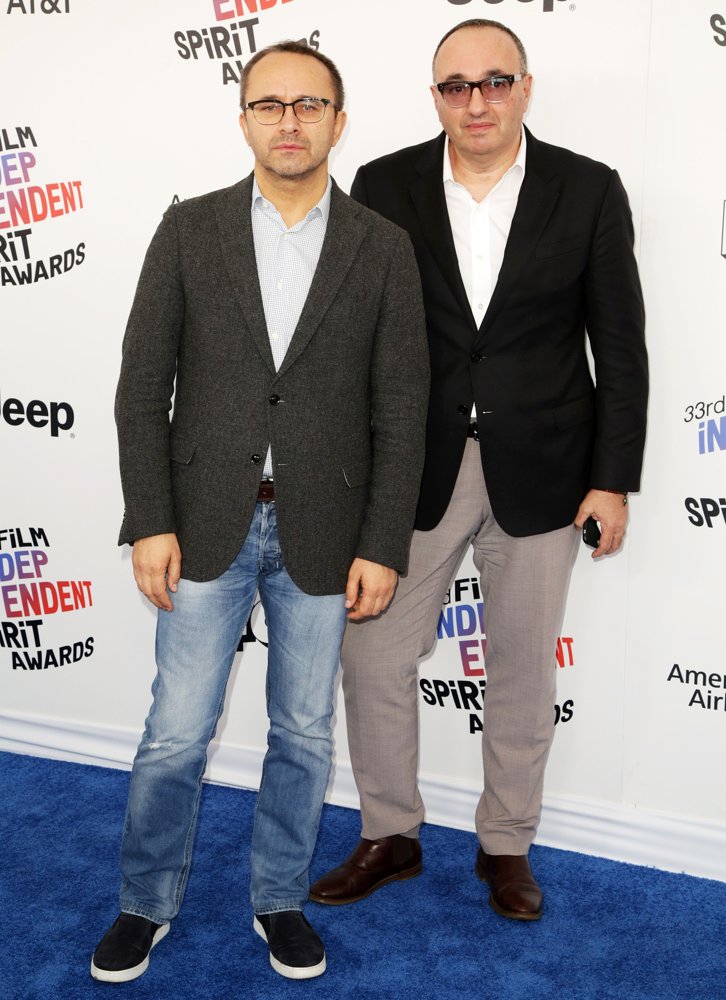
Andrey Zvyagintsev
2018 Film Independent Spirit Awards - Arrivals
Mar 3, 2018

Zuri Tibby
Victoria's Secret Fashion Show Viewing Party - Red Carpet Arrivals
Dec 2, 2018

Zuri Hall
Variety's Power of Women 2019 - Arrivals
Oct 11, 2019

Zuri Hall
LA Premiere of The Spy Who Dumped Me
Jul 25, 2018

⭐Featured Celebrities