Sir Anthony Charles Lynton Blair, universally known as Tony Blair, stands as one of the most consequential and polarizing figures in modern British political history. Born on 6 May 1953 in Edinburgh, Scotland, he served as Prime Minister of the United Kingdom from 1997 to 2007 and as Leader of the Labour Party from 1994 to 2007, becoming the longest-serving Labour prime minister in history and the only person to lead the party to three consecutive general election victories. His tenure redefined the political landscape of the country, moving Labour from its traditional left-wing base to the political centre under the "New Labour" banner, a transformation that brought both historic electoral success and enduring controversy.
Blair’s early life was marked by academic promise and a path toward the law. He attended the prestigious independent Fettes College in Edinburgh before studying law at St John’s College, Oxford, where he graduated in 1976. After university, he worked as a barrister, specializing in employment and industrial law, and it was during this period that he became involved with the Labour Party, drawn to its ideals of social justice and reform. His political career took off rapidly after he was elected as the Member of Parliament for Sedgefield in 1983. He rose through the ranks, joining Neil Kinnock’s shadow cabinet in 1988 and later serving as shadow home secretary under John Smith. Following Smith’s sudden death in 1994, Blair won the Labour leadership election and immediately set about modernizing the party, rebranding it as "New Labour" and distancing it from its more traditional socialist policies. His youthful energy and centrist "Third Way" philosophy resonated with the electorate, leading to a landslide victory in the 1997 general election with 418 seats, ending 18 years of Conservative rule and making him the youngest prime minister of the 20th century at the age of 43.
During his first term, Blair enacted a sweeping program of constitutional and social reforms that transformed British society. He introduced a national minimum wage, implemented devolution for Scotland and Wales, and played a pivotal role in the Northern Ireland peace process, culminating in the landmark Good Friday Agreement in 1998. His government also expanded LGBTQ rights, introduced tuition fees for higher education, and increased public spending on healthcare and education while simultaneously introducing market-based reforms. Internationally, he oversaw successful military interventions in Kosovo in 1999 and Sierra Leone in 2000, which were widely praised. After securing a second landslide victory in 2001, his premiership became dominated by the global war on terror following the 9/11 attacks. Blair was a staunch ally of George W. Bush, and his decision to support the 2003 invasion of Iraq, based on the false premise that Saddam Hussein possessed weapons of mass destruction, proved to be the defining and most damaging act of his career. The invasion sparked massive public opposition, and as casualties mounted, Blair faced accusations of misleading Parliament, which caused his approval ratings to plummet from record highs to historic lows.
Despite the Iraq controversy, Blair won a third term in 2005, albeit with a significantly reduced majority. In his final years in office, he focused on public sector reform and brokered a historic agreement to restore powersharing in Northern Ireland. However, his premiership was increasingly overshadowed by the Cash-for-Honours scandal, during which he was interviewed as a witness. In 2006, he announced he would resign within a year, and in June 2007, he stepped down as both party leader and prime minister, handing power to his longtime rival and chancellor, Gordon Brown. On the day he left office, he also resigned his parliamentary seat. Immediately after leaving Downing Street, Blair was appointed as the special envoy of the Quartet on the Middle East, a role he held until 2015. In 2016, he founded the Tony Blair Institute for Global Change, an organization focused on policy development and global issues, where he serves as Executive Chairman. He has remained an influential, albeit controversial, voice in politics, offering counsel to leaders such as Keir Starmer. In 2009, he was awarded the Presidential Medal of Freedom by George W. Bush. The 2016 Iraq Inquiry delivered a damning assessment of his role in the war, cementing his legacy as a deeply divisive figure. Nevertheless, he is consistently rated as above average in historical rankings of British prime ministers, acknowledged for his domestic reforms and electoral dominance, even as his foreign policy decisions continue to provoke fierce debate.
⭐
Similar Celebrities


📷
Recent Photos
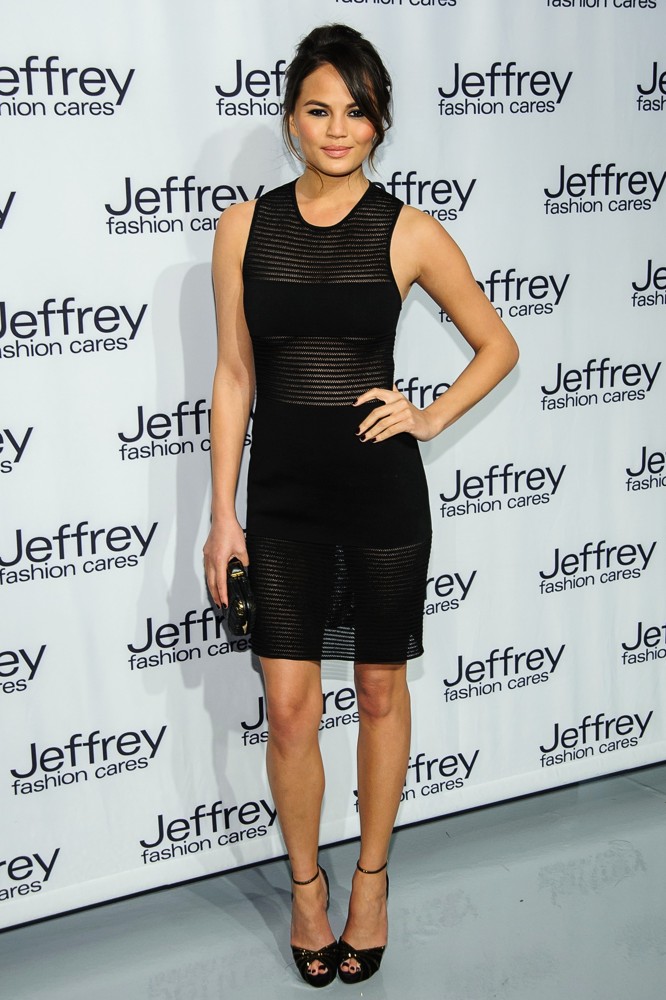
Chrissy Teigen
Jeffrey Fashion Cares 10th Anniversary Celebration
Apr 2, 2013
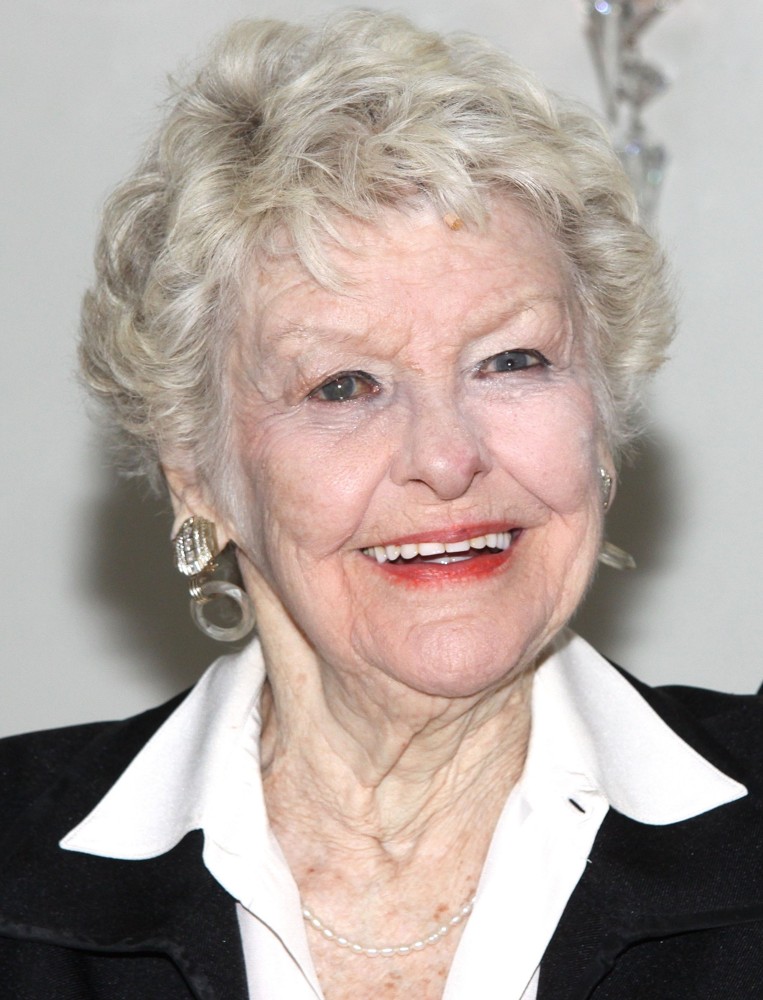
Elaine Stritch
Opening Night of Elaine Stritch at The Carlyle: Movin' Over and Out - Reception
Apr 2, 2013
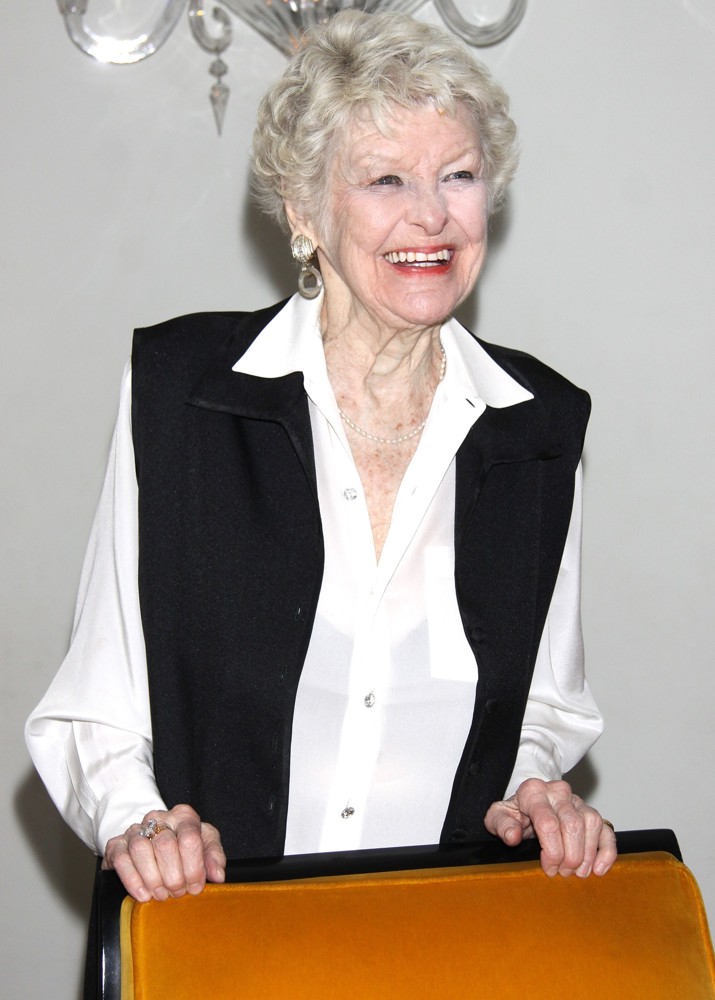
Elaine Stritch
Opening Night of Elaine Stritch at The Carlyle: Movin' Over and Out - Reception
Apr 2, 2013
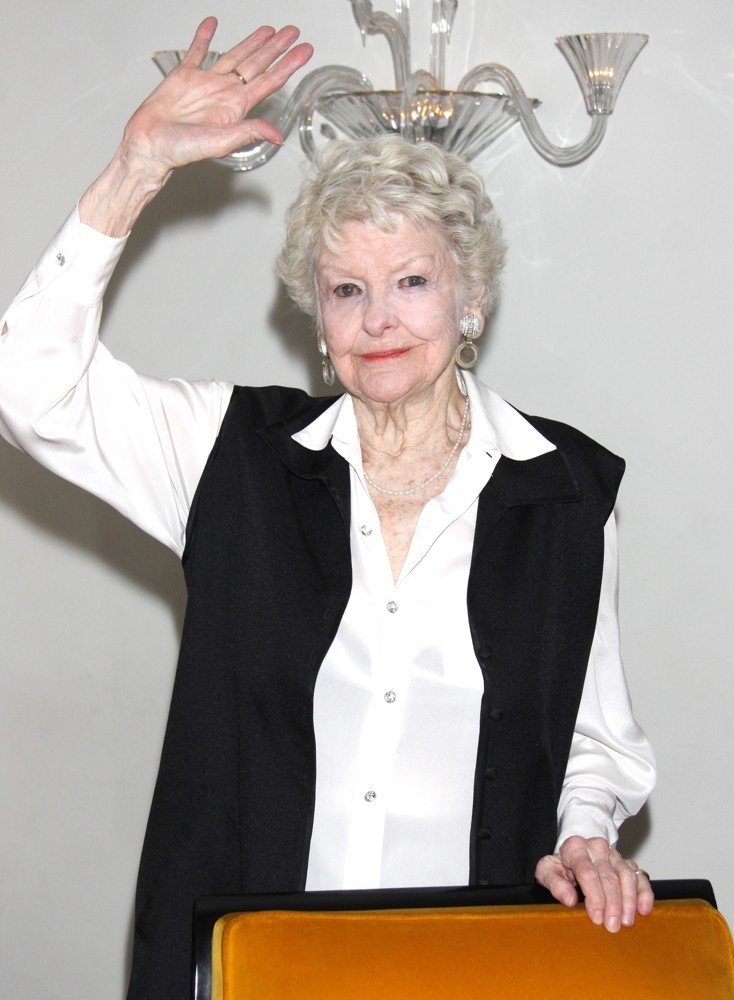
Elaine Stritch
Opening Night of Elaine Stritch at The Carlyle: Movin' Over and Out - Reception
Apr 2, 2013
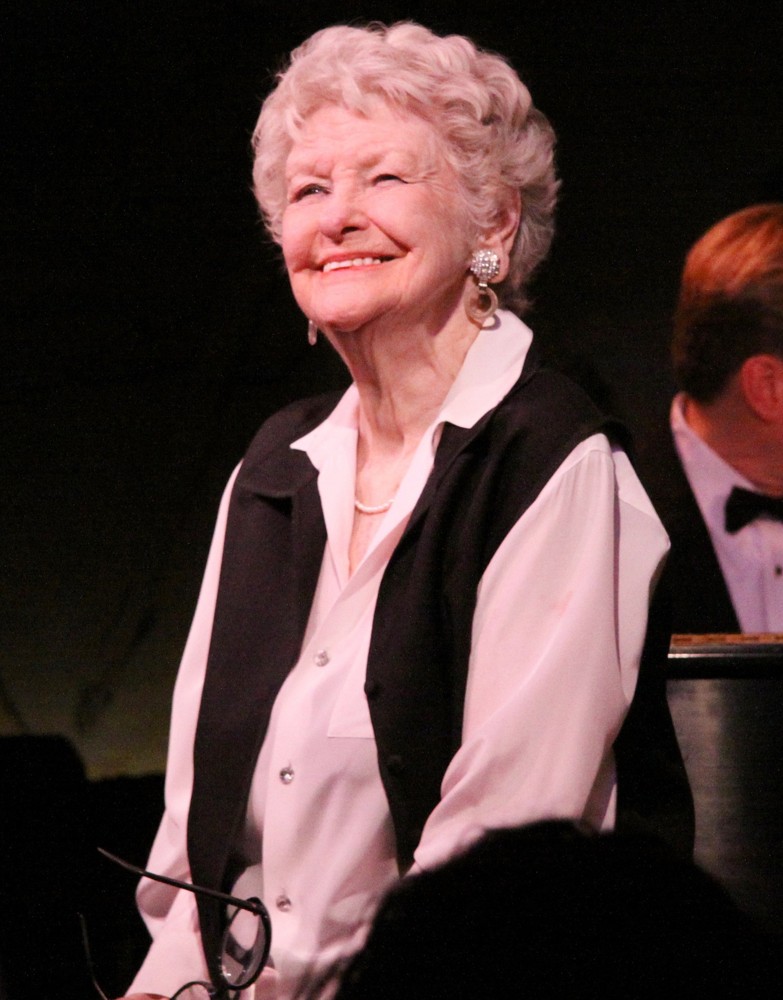
Elaine Stritch
Elaine Stritch Performs During The Opening Night of Elaine Stritch at The Carlyle
Apr 2, 2013
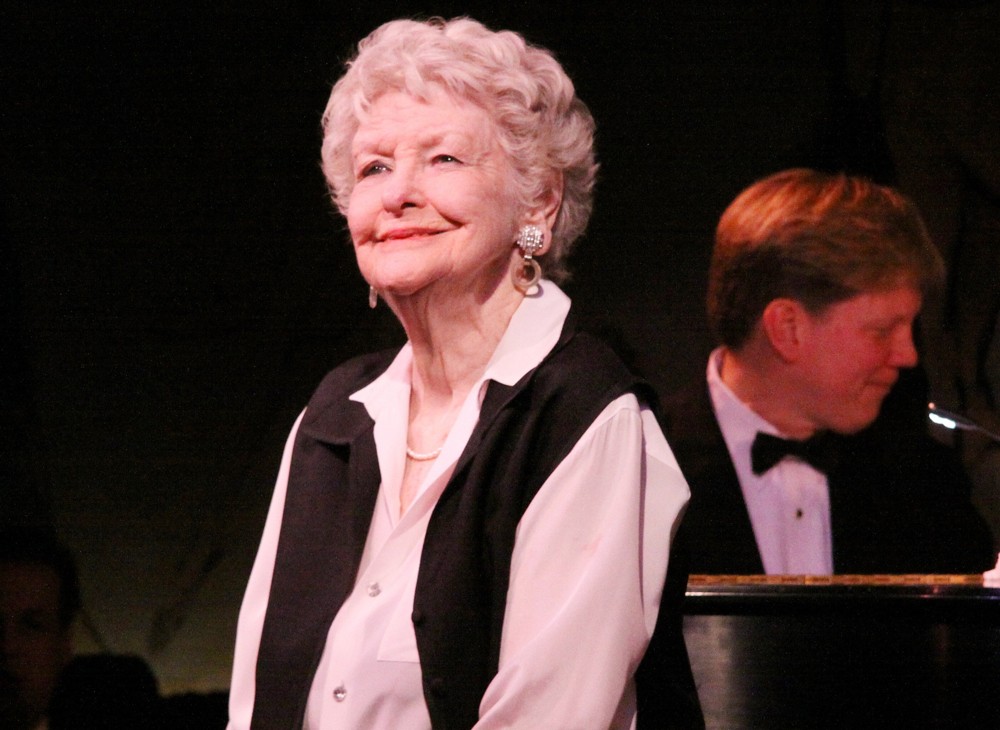
Elaine Stritch
Elaine Stritch Performs During The Opening Night of Elaine Stritch at The Carlyle
Apr 2, 2013





⭐Featured Celebrities