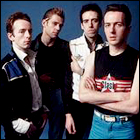
 The Clash were an influential English rock band formed in London in 1976, often hailed as "The Only Band That Matters." They emerged as a defining force in the original wave of British punk rock, known for their dynamic sound that blended elements of reggae, dub, funk, ska, and rockabilly. With a commitment to social and political commentary, The Clash not only shaped the punk movement but also helped pave the way for the post-punk and new wave trends that followed.
The band consisted of lead vocalist and rhythm guitarist Joe Strummer, lead guitarist and vocalist Mick Jones, bassist Paul Simonon, and drummer Nicky "Topper" Headon. The Clash made their mark with their self-titled debut album, released in 1977, which was followed by their second album, "Give 'Em Enough Rope," in 1978. Both records solidified their reputation in the UK music scene, but it was their third album, "London Calling," released in December 1979, that catapulted them to international fame. This critically acclaimed record, which received a U.S. release in January 1980, showcased their musical experimentation and diverse influences, earning accolades that included being named the best album of the 1980s by Rolling Stone a decade later.
Following the success of "London Calling," The Clash continued to experiment with their sound, releasing the ambitious double album "Sandinista!" in 1980. The band's commercial success continued with "Combat Rock" in 1982, which featured the chart-topping hit "Rock the Casbah." This album achieved significant acclaim in the United States, earning a 2× platinum certification and further establishing their presence in the American music market.
However, internal strife began to plague the group, particularly following Nicky Headon's departure in 1982 due to issues related to his heroin addiction. The following year, Mick Jones also left the band, leading to a shift in their lineup. The Clash struggled to maintain their momentum, and in 1985, they released their final album, "Cut the Crap," before disbanding shortly thereafter.
In the years following their breakup, The Clash's legacy continued to grow. In January 2003, the band was inducted into the Rock and Roll Hall of Fame, shortly after the tragic death of Joe Strummer. Their influence on music and culture has been recognized widely, with Rolling Stone ranking them number 28 on its list of the "100 Greatest Artists of All Time" in 2004. The Clash's ability to merge musical styles and address pressing social issues through their lyrics has ensured their place in the annals of rock history, inspiring countless artists and music lovers around the world. Today, they are celebrated not just for their music but for their enduring impact on the punk rock genre and beyond.
⭐
Similar Celebrities






📷
Recent Photos
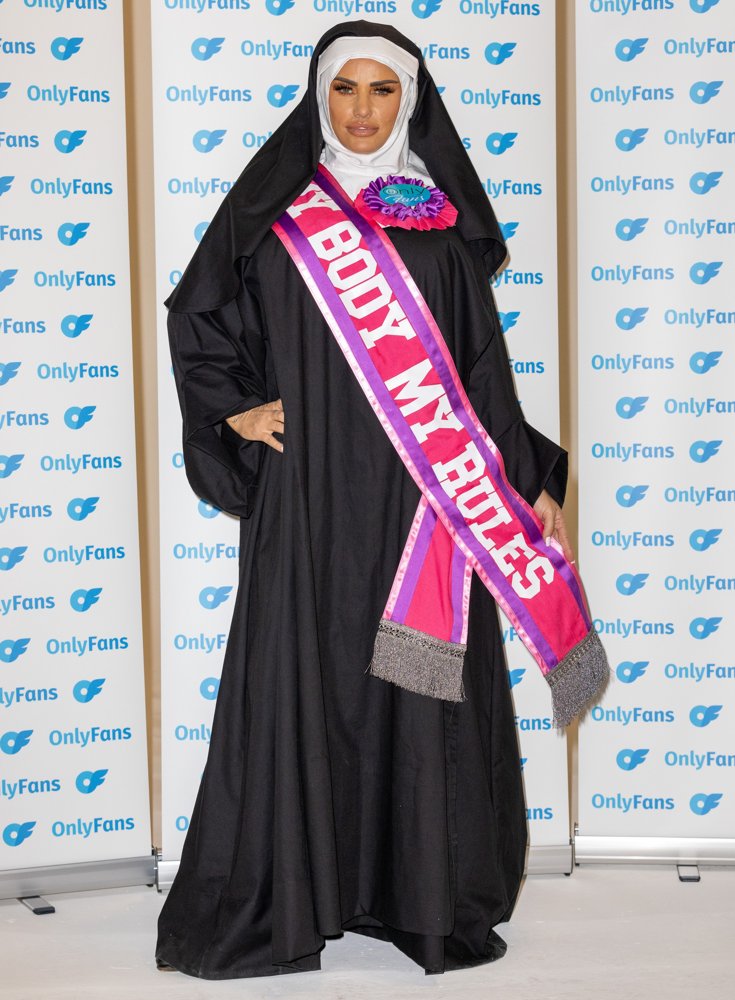
Katie Price
Katie Price Launches Only Fans Channel - Photocall
Jan 26, 2022

Katie Price
Katie Price Launches Only Fans Channel - Photocall
Jan 26, 2022

Jessie J
The Premiere of Cirque Du Soleil Luzia
Jan 13, 2022

Imogen Thomas
The Premiere of Cirque Du Soleil Luzia
Jan 13, 2022

Hayley Palmer
The Premiere of Cirque Du Soleil Luzia
Jan 13, 2022

Phoenix Chi Gulzar
The Premiere of Cirque Du Soleil Luzia
Jan 13, 2022





⭐Featured Celebrities