Shirley Ann Manson, born on 26 August 1966 in Edinburgh, Scotland, is a singer, songwriter, and musician who has carved an indelible mark on the landscape of modern rock music. As the lead vocalist of the band Garbage, she has been hailed as a "Godmother of Rock" by The New York Times, a title that reflects both her formidable vocal presence and her unapologetic, rebellious artistic persona. With a distinctive deep voice and a forthright, often confrontational stage manner, Manson has led Garbage to sell over 17 million records as of 2017, earning the group two Brit Award nominations and seven Grammy Award nominations along the way. Her influence extends far beyond commercial metrics, however, as she has become a touchstone for a generation of artists who admire her refusal to compromise her vision or soften her edge.
Manson's musical journey began in her teens when she was approached to provide backing vocals and keyboards for the Scottish band Goodbye Mr Mackenzie. This initial foray into the industry led to a significant opportunity when the band's record label floated the idea of launching her as a solo act. She subsequently formed the band Angelfish and recorded an album, which served as a crucial stepping stone in her development as a frontwoman. Her raw, magnetic presence caught the attention of producers Butch Vig, Duke Erikson, and Steve Marker, who were assembling a new project in Madison, Wisconsin. Manson joined forces with them in 1994, and the group, christened Garbage, would soon redefine the alternative rock sound of the mid-nineties. Their self-titled debut album, released in 1995, was a critical and commercial triumph, propelled by a string of now-iconic singles including "Queer," "Only Happy When It Rains," "Stupid Girl," and "Milk."
The band's momentum continued with the release of Version 2.0 in 1998, an album that solidified their status as global rock heavyweights. Tracks like "Push It," "Special," and "When I Grow Up" dominated airwaves and playlists, showcasing Manson's ability to blend icy coolness with visceral emotion. At the height of their success, Garbage were tapped to perform and co-produce the theme song for the 19th James Bond film, The World Is Not Enough (1999), a prestigious assignment that underscored their cultural cachet. They followed this with their third album, Beautiful Garbage (2001), which, while less commercially explosive than its predecessors, was acclaimed for its sonic adventurousness and featured the successful singles "Androgyny" and "Cherry Lips." This period cemented Manson's reputation not just as a singer, but as a creative force capable of guiding her band through shifting musical landscapes.
The production of Garbage's fourth album, Bleed Like Me (2005), proved to be a tumultuous period for the group, leading to a hiatus that would stretch for several years. During this break, Manson explored other creative avenues, beginning to write and record solo material in 2006 and expanding her artistic reach into acting. She took on the role of Catherine Weaver, a formidable and enigmatic character, in the science fiction television series Terminator: The Sarah Connor Chronicles (2008), demonstrating a natural aptitude for screen performance. Garbage eventually reunited in 2010, and the band has remained active since, releasing a series of albums that have seen them evolve while retaining their core identity. Their later discography includes Not Your Kind of People (2012), Strange Little Birds (2016), No Gods No Masters (2021), and the critically acclaimed Let All That We Imagine Be the Light (2025). Beyond her work with the band, Manson has also lent her voice to the cultural conversation as the host of the music podcast The Jump with Shirley Manson (2019–2021), further cementing her status as a vital and enduring figure in contemporary music.
⭐
Similar Celebrities



📷
Recent Photos

A Band of Bitches
The Latin Grammys 2013
Nov 21, 2013
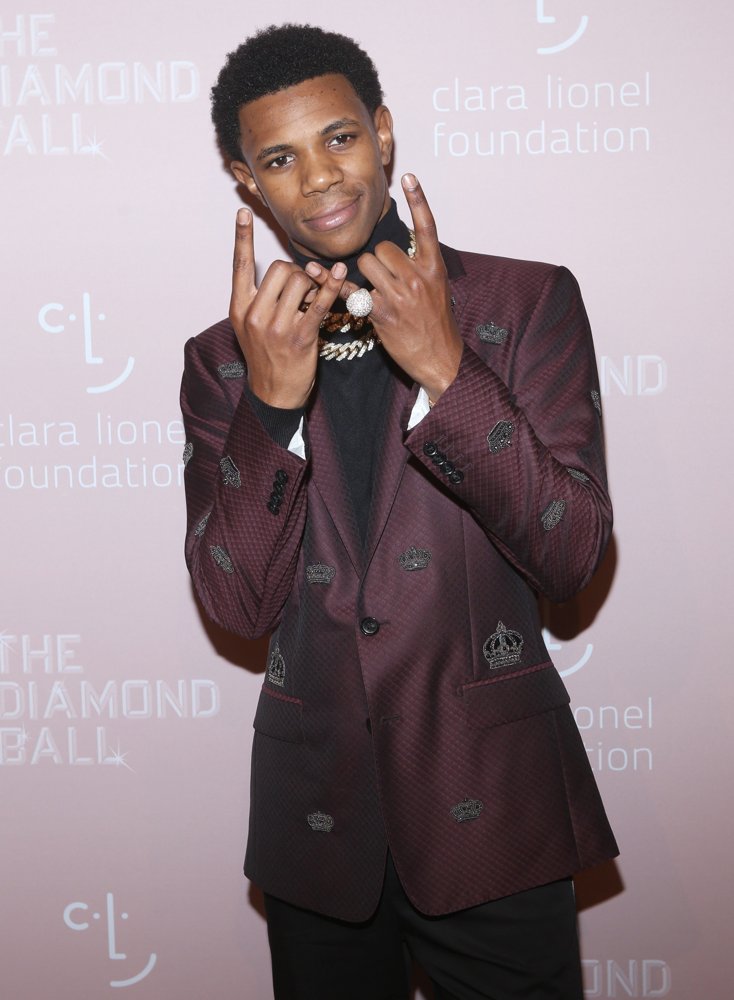
A Boogie Wit Da Hoodie
Rihanna's 4th Annual Diamond Ball
Sep 13, 2018
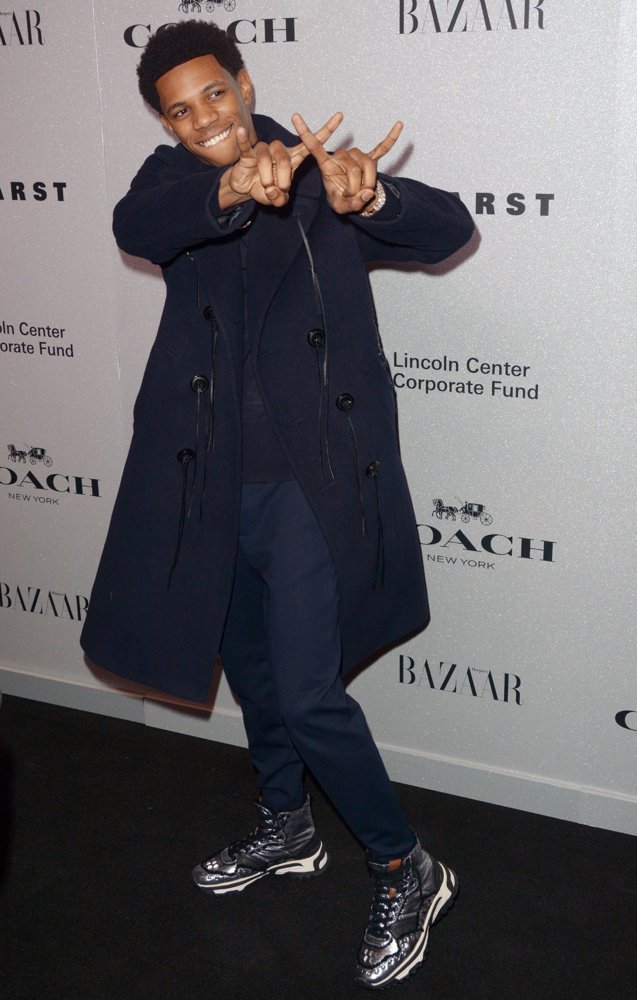
A Boogie Wit Da Hoodie
Lincoln Center Fashion Gala - An Evening Honoring Coach
Nov 29, 2018
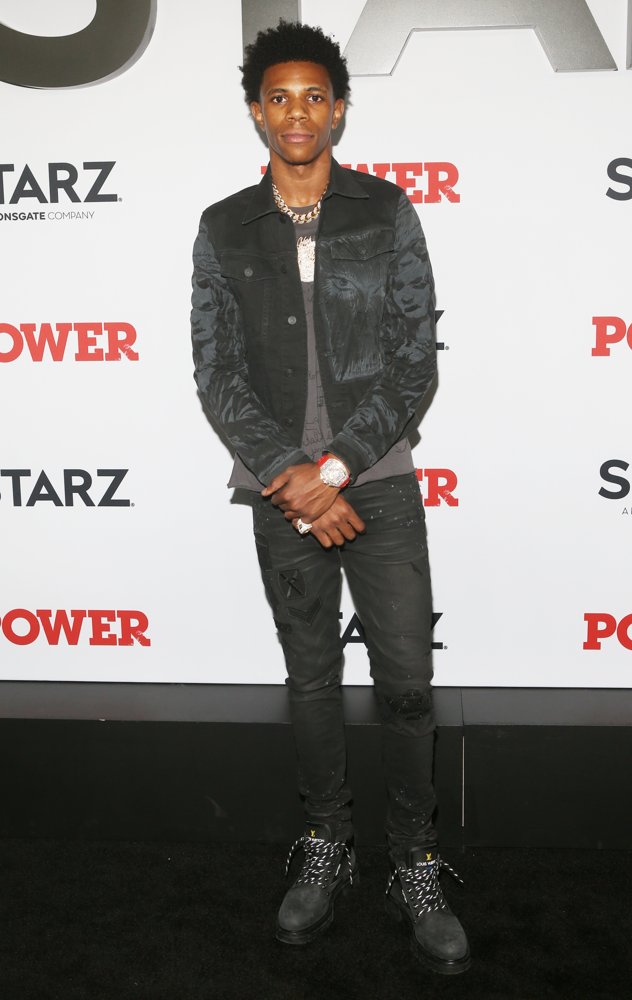
A Boogie Wit Da Hoodie
STARZ Red Carpet Event for Power Final Season World Premiere
Aug 20, 2019

A Fine Frenzy
2012 Environmental Media Awards - Arrivals
Sep 29, 2012

A Fine Frenzy
2012 Environmental Media Awards - Arrivals
Sep 29, 2012





⭐Featured Celebrities