Randall William Rhoads was born on December 6, 1956, in Santa Monica, California, and grew up in a musical household. His mother, Delores, ran a music school in North Hollywood, and Rhoads began studying classical guitar at a young age, a foundation that would later distinguish him from many of his heavy metal contemporaries. By his teenage years, he had shifted his focus toward rock and electric guitar, developing a prodigious technical ability that belied his youth.
In the mid-1970s, Rhoads co-founded the band Quiet Riot in Los Angeles alongside vocalist Kevin DuBrow. The group became a fixture of the Sunset Strip club circuit and adopted a striking black-and-white polka-dot visual theme that Rhoads himself helped conceive, becoming an emblem for the band. Quiet Riot released two albums in Japan during this period, though the records were not initially distributed in the United States.
Rhoads's career reached its peak when he was recruited by former Black Sabbath frontman Ozzy Osbourne for his solo debut. He served as guitarist and co-songwriter on Osbourne's first two solo albums, Blizzard of Ozz (1980) and Diary of a Madman (1981). The partnership produced some of the most celebrated tracks in heavy metal history, including "Crazy Train," which features one of the most recognizable guitar riffs ever recorded, and "Mr. Crowley." On these recordings, Rhoads fused his classical training with aggressive metal, a synthesis that helped define the subgenre later known as neoclassical metal.
His playing style was marked by exceptional speed, precision, and musicality. Rhoads helped popularize techniques that became staples of 1980s metal, including two-handed tapping, vibrato bar dive bombs, and intricate scale patterns, drawing frequent comparisons to his contemporary Eddie Van Halen. His influence extended to instrument design as well; the Jackson Rhoads guitar was originally commissioned by him, and the model remains a fixture in the guitar world.
Tragically, Rhoads died on March 19, 1982, in a plane crash while on tour with Osbourne in Florida. He was only 25 years old. Despite his brief career, his legacy proved enduring. He has been included in numerous published "Greatest Guitarist" lists, and countless prominent guitarists have cited him as a major influence. In 2021, he was posthumously inducted into the Rock and Roll Hall of Fame. Decades after his death, Rhoads remains regarded as a pivotal figure in metal music, credited with pioneering the fast, technical, and classically informed style of guitar soloing that largely defined the genre throughout the 1980s.
⭐
Similar Celebrities


📷
Recent Photos
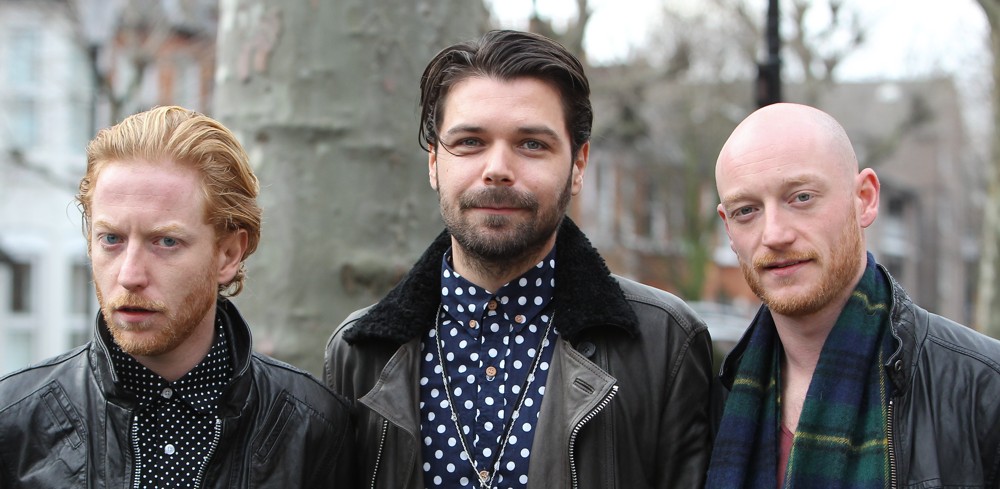
Biffy Clyro
Celebrities Arrive at Fearne Cotton's House for Her Radio 1 at Home with Fearne Christmas Special
Dec 21, 2012
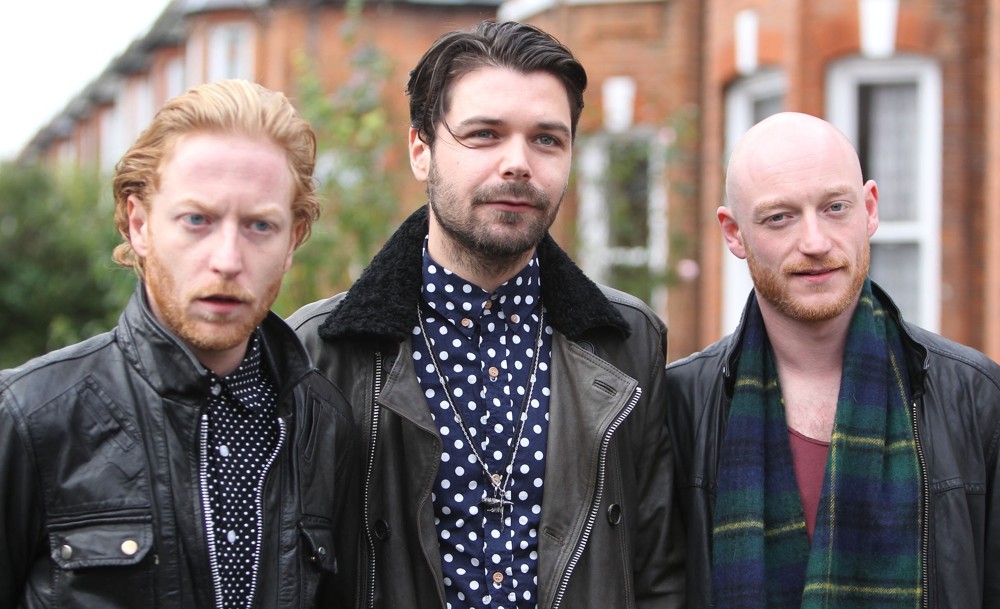
Biffy Clyro
Celebrities Arrive at Fearne Cotton's House for Her Radio 1 at Home with Fearne Christmas Special
Dec 21, 2012

Biffy Clyro
Celebrities Arrive at Fearne Cotton's House for Her Radio 1 at Home with Fearne Christmas Special
Dec 21, 2012

Wendi Deng
The Australian Premiere of Les Miserables - Arrivals
Dec 21, 2012

Wendi Deng
The Australian Premiere of Les Miserables - Arrivals
Dec 21, 2012

Jenna Dewan
Jenna Dewan Seen Leaving The Nail Salon
Dec 21, 2012





⭐Featured Celebrities