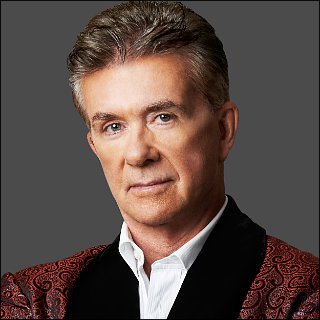
Prince Philip, Duke of Edinburgh, born Prince Philip of Greece and Denmark on 10 June 1921 at Mon Repos on the island of Corfu, Greece, carved a singular path in history as the longest-serving royal consort in British history. His life, spanning nearly a century, was one of dramatic displacement, distinguished naval service, unwavering public duty, and a deeply influential partnership with his wife, Elizabeth II. From his birth into the Greek and Danish royal families to his death at Windsor Castle on 9 April 2021, Philip's journey mirrored the transformations of the British monarchy in the modern era, making him a figure of immense historical significance and enduring public fascination.
Philip's early life was marked by turbulence. When he was just eighteen months old, his family was exiled from Greece following political unrest, and he spent his formative years being educated across France, Germany, and the United Kingdom. This itinerant childhood instilled in him a resilience and adaptability that would define his character. In 1939, at the age of eighteen, he joined the Royal Navy, embarking on a career that would not only shape his identity but also lead him to his future wife. It was in July of that same year that he began a correspondence with Princess Elizabeth, then a thirteen-year-old heir presumptive to the British throne. During the Second World War, Philip served with distinction in the Mediterranean and Pacific fleets, earning recognition for his bravery and competence as a naval officer.
The post-war period brought about a profound transformation in his life. In the summer of 1946, King George VI granted him permission to marry Elizabeth. Prior to the official announcement of their engagement in July 1947, Philip made the momentous decision to renounce his Greek and Danish royal titles, become a naturalised British subject, and adopt the surname Mountbatten from his maternal grandparents. In November 1947, he married Elizabeth and was subsequently created Duke of Edinburgh, Earl of Merioneth, and Baron Greenwich. The couple had four children: Charles, Anne, Andrew, and Edward. When Elizabeth ascended to the throne in February 1952, Philip was forced to leave his promising active naval career, having attained the rank of commander, to assume the unprecedented role of consort to the new queen. He was formally created a British prince in 1957, a title that acknowledged his unique position.
As consort, Prince Philip redefined the role through sheer force of personality and an unflagging commitment to public service. He was a keen sportsman who played a pivotal role in developing the equestrian discipline of carriage driving, and he lent his patronage to over 780 organisations, including the World Wide Fund for Nature. Perhaps his most enduring legacy is The Duke of Edinburgh's Award, an international youth awards programme he founded for people aged 14 to 24, which has inspired millions of young people worldwide. His style was often described as direct and sometimes controversial, but his dedication to modernising the monarchy and supporting his wife was unwavering. He retired from public duties in 2017 at the age of 96, having completed an astonishing 22,219 solo engagements and delivered 5,493 speeches since 1952. At the time of his death, he was the longest-lived male member of the British royal family, leaving behind a complex and indelible legacy as the steadfast anchor of the modern British crown.
⭐
Similar Celebrities




📷
Recent Photos

A Boogie Wit Da Hoodie
Rihanna's 4th Annual Diamond Ball
Sep 13, 2018

A Boogie Wit Da Hoodie
Lincoln Center Fashion Gala - An Evening Honoring Coach
Nov 29, 2018

A Boogie Wit Da Hoodie
STARZ Red Carpet Event for Power Final Season World Premiere
Aug 20, 2019
A Fine Frenzy
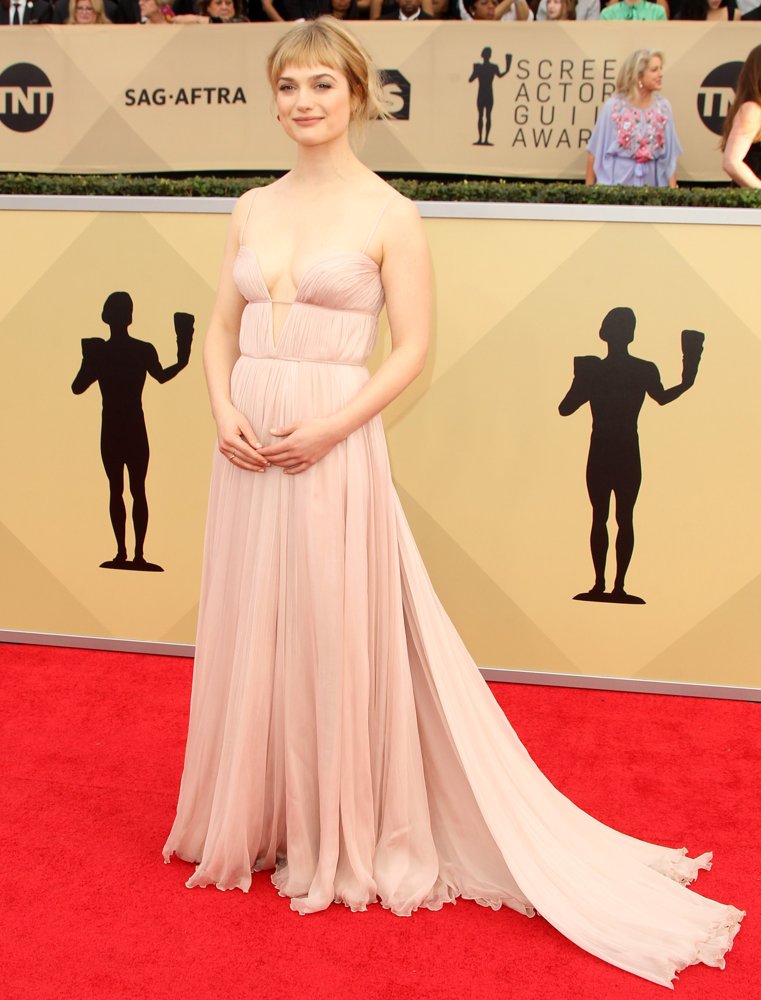
The 24th Annual Screen Actors Guild Awards - Arrivals
Jan 21, 2018
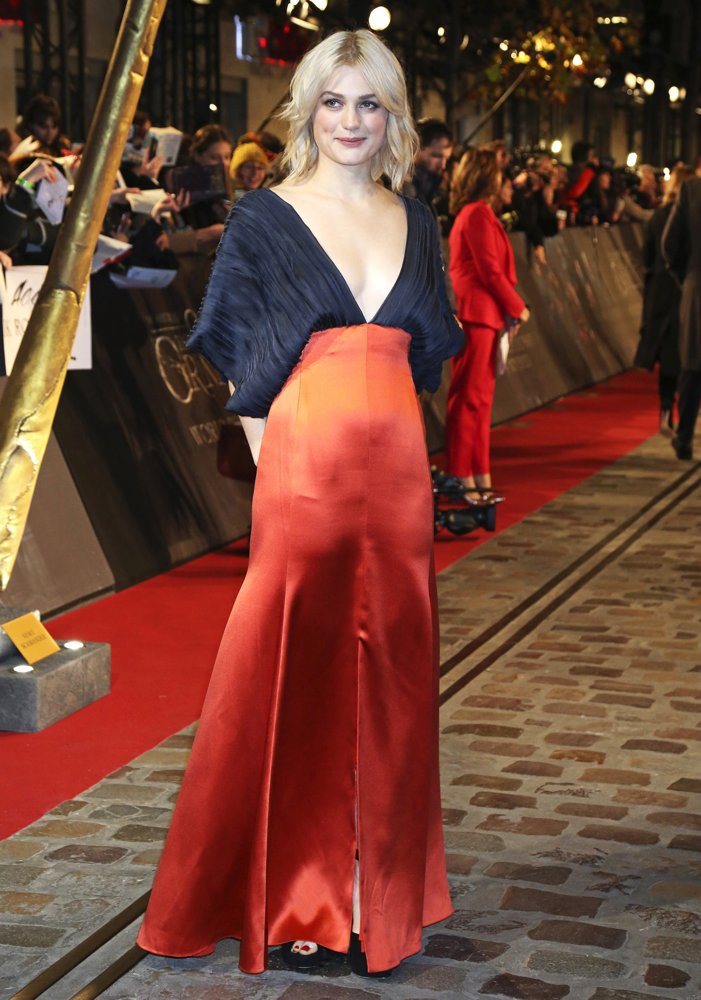
A Fine Frenzy
World Premiere of Fantastic Beasts: The Crimes of Grindelwald - Arrivals
Nov 8, 2018
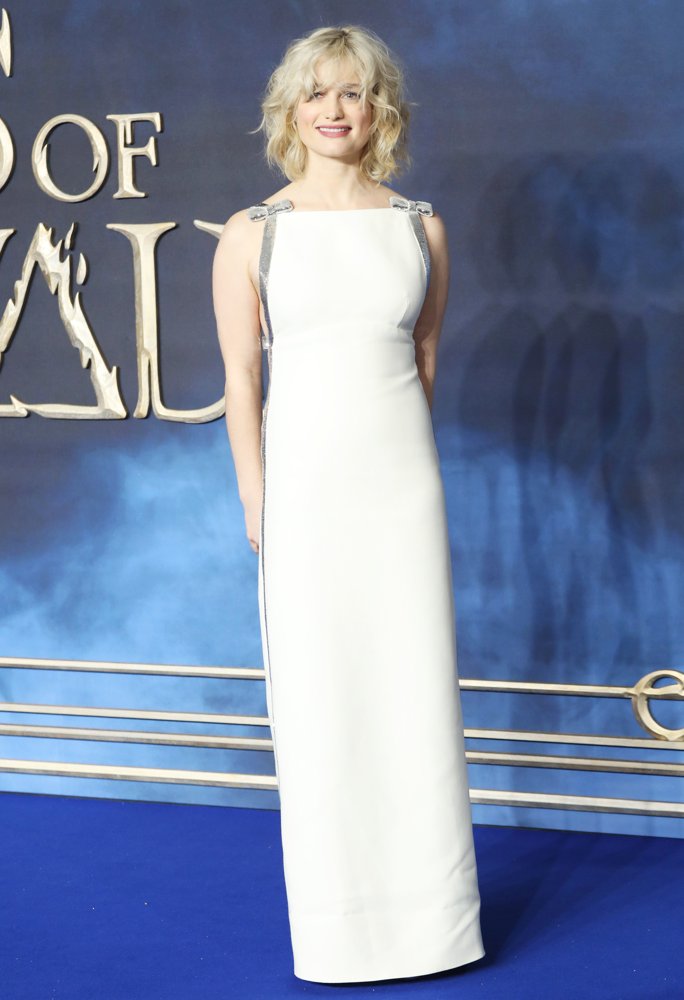
A Fine Frenzy
The UK Premiere of Fantastic Beasts: The Crimes of Grindelwald - Arrivals
Nov 13, 2018



⭐Featured Celebrities