Peter Yarrow, the singer, songwriter, and activist who found enduring fame as one-third of the legendary folk trio Peter, Paul and Mary, left an indelible mark on American music and social justice. Born on May 31, 1938, in Manhattan, Yarrow’s artistic journey began in his youth at New York’s High School of Music and Art, where his passion for music was nurtured. He later attended Cornell University, and during his final year in 1959, he started his career as a student guitar instructor there. After graduating, he met the influential manager Albert Grossman, whose vision of a musical trio led Yarrow to join forces with Paul Stookey and Mary Travers, forming the group that would become synonymous with the folk revival of the 1960s.
Peter, Paul and Mary quickly rose to prominence with early hits like "Lemon Tree" and "If I Had a Hammer", which followed the release of their self-titled debut album in 1962. Yarrow’s songwriting prowess shone through with his co-composition of "Puff, the Magic Dragon" alongside Lenny Lipton, a whimsical yet poignant tune that became one of the group’s most beloved classics. Beyond their musical achievements, the trio was deeply embedded in the civil rights movement, with Yarrow actively performing at pivotal events such as the March on Washington and the Selma to Montgomery marches, using his platform to advocate for equality and change. However, his public career was marred by a 1970 conviction for sexually abusing a 14-year-old girl, Barbara Winter, for which he served three months in prison before receiving a pardon from President Jimmy Carter.
Following the group’s initial run, Yarrow pursued a solo career in the 1970s, releasing his debut album, Peter, in 1972. His work continued to be recognized with awards that celebrated his persistent activism, which remained a central thread throughout his life. In the 2000s, Yarrow channeled his energies into anti-bullying initiatives, co-founding Operation Respect, an organization dedicated to fostering safe and respectful learning environments for children. This effort reflected his lifelong commitment to using music and advocacy as tools for social good. Yarrow passed away on January 7, 2025, at his Upper West Side apartment in New York City, succumbing to bladder cancer. His legacy remains complex, defined by both his monumental contributions to folk music and the civil rights era, as well as the serious legal and moral controversies that punctuated his later narrative.
⭐
Similar Celebrities


📷
Recent Photos
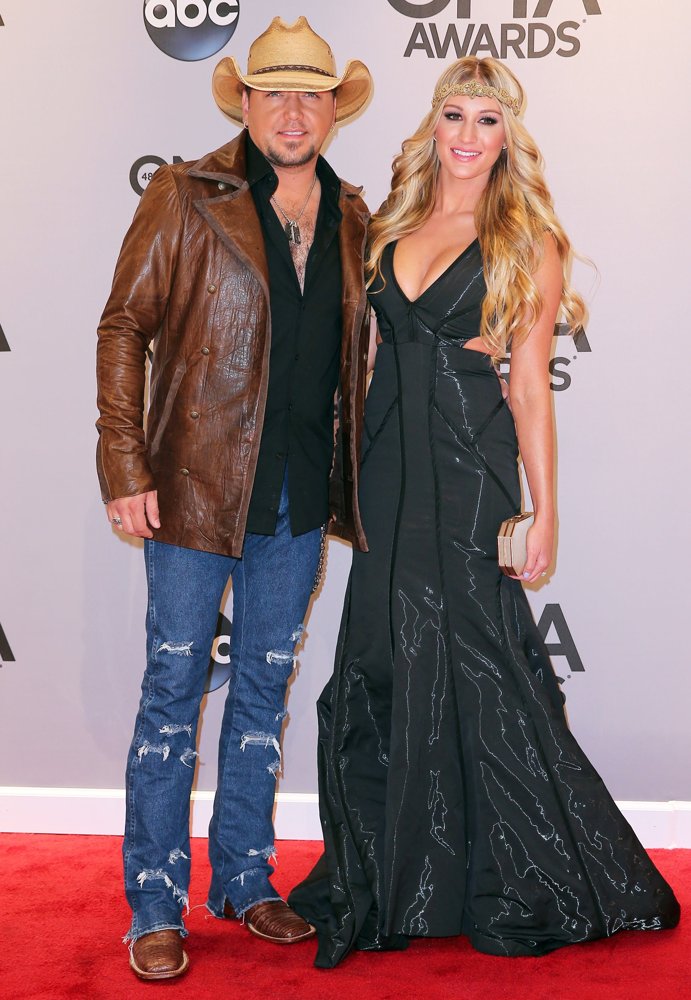
Jason Aldean
48th Annual CMA Awards - Red Carpet
Nov 5, 2014
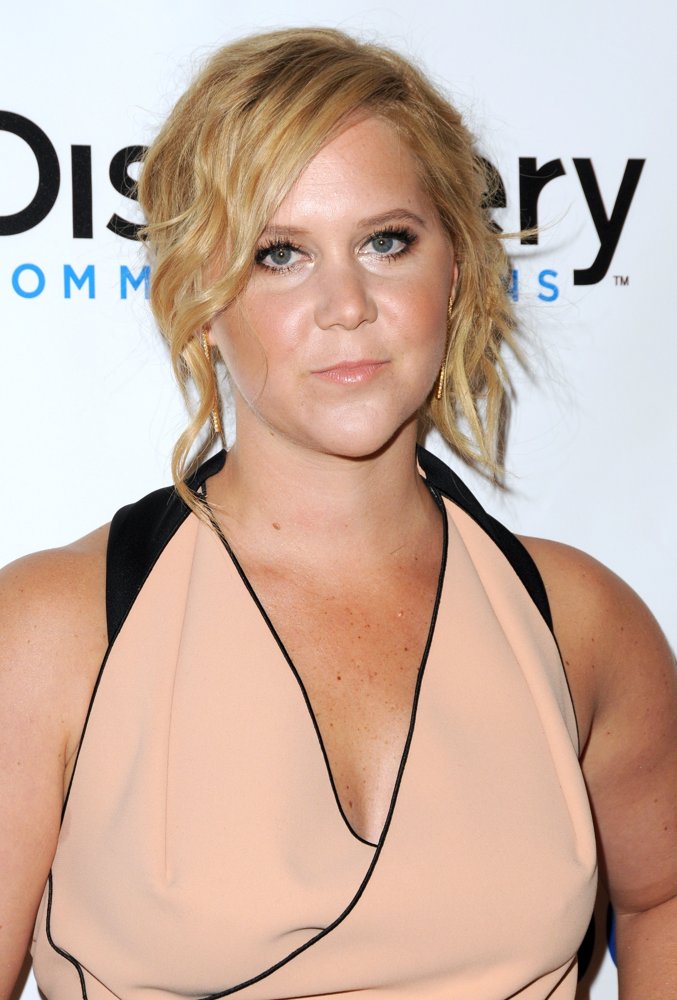
Amy Schumer
NRDC's Night of Comedy Benefit - Red Carpet Arrivals
Nov 5, 2014
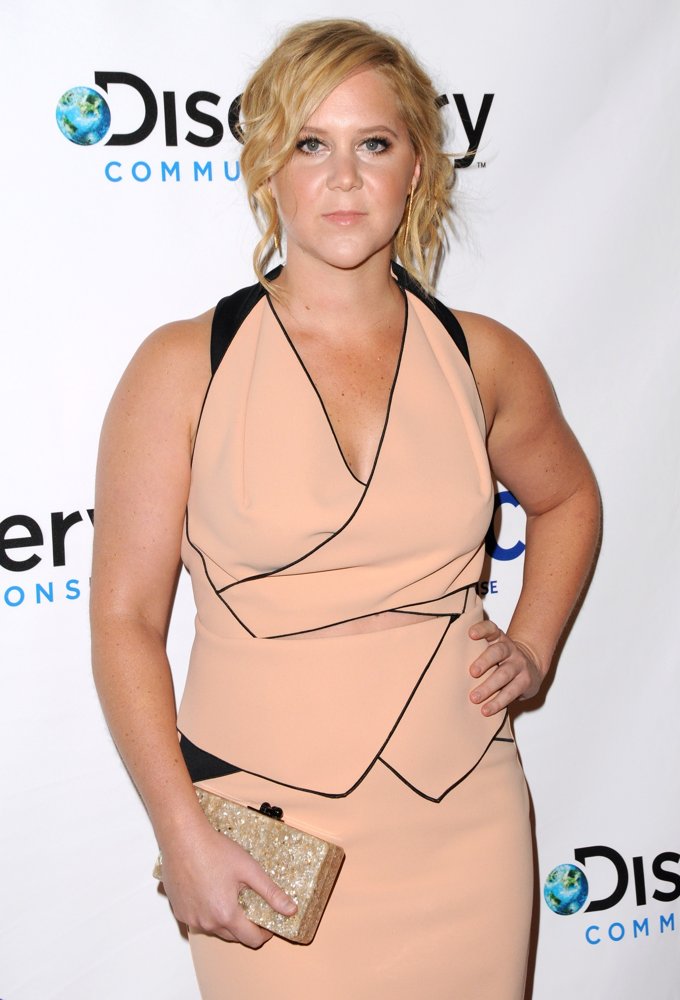
Amy Schumer
NRDC's Night of Comedy Benefit - Red Carpet Arrivals
Nov 5, 2014

Amy Schumer
NRDC's Night of Comedy Benefit - Red Carpet Arrivals
Nov 5, 2014

Ashley Monroe
48th Annual CMA Awards - Red Carpet
Nov 5, 2014
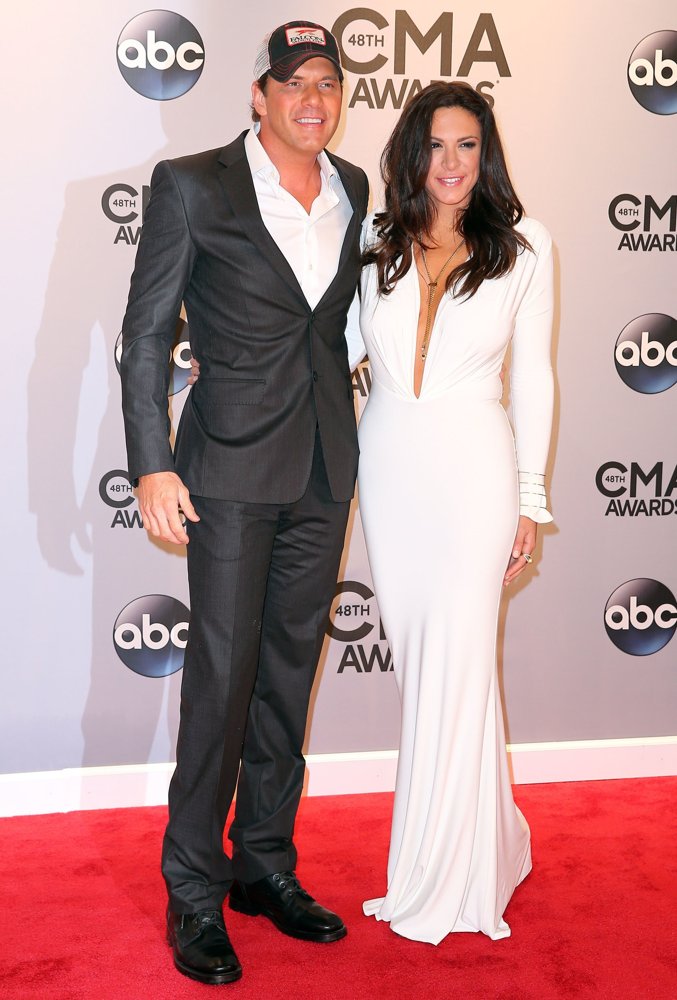
Rodney Atkins
48th Annual CMA Awards - Red Carpet
Nov 5, 2014




⭐Featured Celebrities