Nina Simone, born Eunice Kathleen Waymon on February 21, 1933, in Tryon, North Carolina, was a singular force in American music whose profound artistry defied easy categorization. Known as the High Priestess of Soul, she possessed a remarkable contralto voice and a commanding stage presence that merged the disciplines of classical piano, jazz, blues, gospel, and pop into a sound uniquely her own. Over a career spanning five decades, she became not only a celebrated performer but also a powerful voice for the civil rights movement, leaving an indelible mark on music and culture before her death on April 21, 2003.
The sixth of eight children in a respected family, Simone’s prodigious musical talent was evident from a young age. Her initial dream was to become a classical concert pianist, and with the support of a local fund established in her hometown, she was able to attend the Allen High School for Girls and later spend a summer studying at the Juilliard School of Music in New York City. Her application to the prestigious Curtis Institute of Music in Philadelphia was rejected, an experience she long attributed to racial discrimination. This disappointment, however, redirected her path. To earn a living, she began playing piano at a nightclub in Atlantic City, where she adopted the stage name "Nina Simone" to conceal her activities from her family. It was at this club that she was told she would have to sing along with her own playing, an ultimatum that inadvertently launched her legendary career as a vocalist.
Simone’s recording career began with her debut album, Little Girl Blue, in 1958, and she achieved her first major American hit the following year with "I Loves You, Porgy," which reached the top 20 of the Billboard Hot 100. Over the next decade and a half, she released more than 40 albums, showcasing her extraordinary range as both an interpreter and a songwriter. Her piano playing was heavily influenced by baroque and classical music, particularly the works of Johann Sebastian Bach, which she masterfully fused with the improvisational spirit of jazz. As the civil rights movement gained momentum, Simone became one of its most potent musical voices, channeling her anger and hope into anthems like "Mississippi Goddam" and "To Be Young, Gifted and Black," songs that captured the urgency and defiance of the era.
The assassination of Martin Luther King Jr. in 1968 proved to be a turning point, leading Simone to leave the United States and eventually settle in France. She spent the following decades living and performing across Europe, Africa, and the Caribbean, maintaining a devoted international following even as her presence in the American mainstream waned. In 1991, she published her autobiography, I Put a Spell on You, named after her famous 1965 album, offering a candid look at her extraordinary life and struggles. She continued to perform and captivate audiences well into the 1990s, and her influence only grew with time, as her music was rediscovered by new generations of artists and fans. In a poignant final acknowledgment, the Curtis Institute of Music awarded her an honorary degree just two days before her death, finally recognizing the genius it had once turned away. Today, Nina Simone is remembered not only for her technical brilliance and emotive power but also as a fearless artist who used her platform to fight for justice, leaving a legacy that continues to inspire and resonate.
⭐
Similar Celebrities




📷
Recent Photos

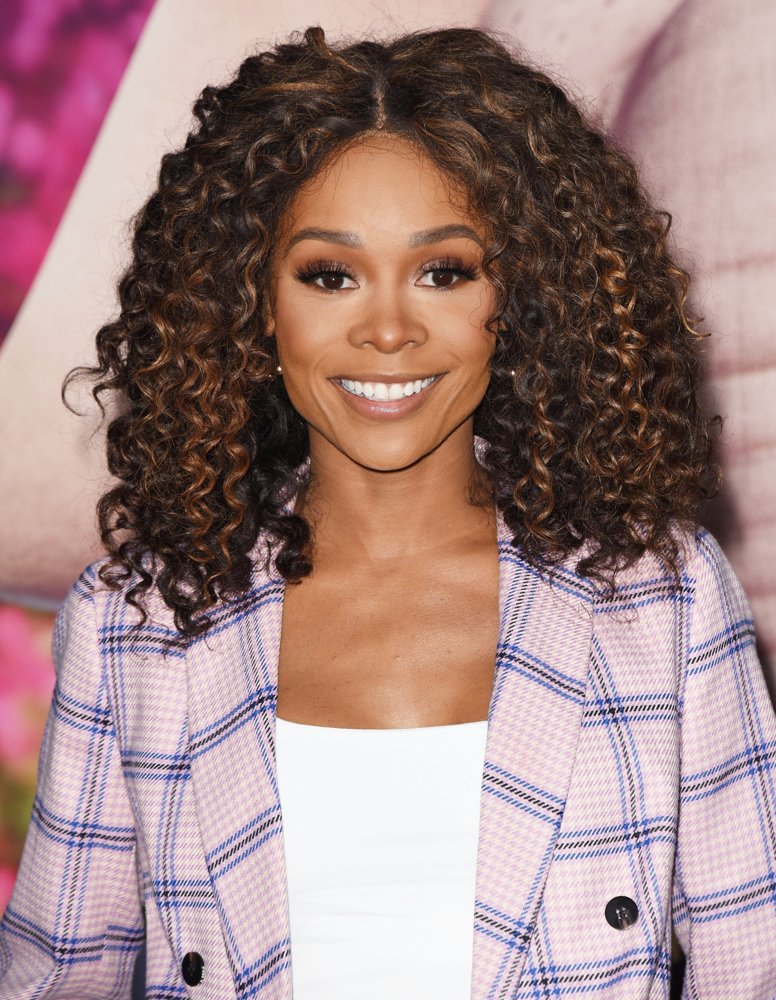
Zuri Hall
Sing 2 Premiere - Arrivals
Dec 12, 2021
Zuri Hall
Sing 2 Premiere - Arrivals
Dec 12, 2021

Hans Zimmer
Variety 2021 Music Hitmakers Brunch
Dec 4, 2021

Zendaya Coleman
Spider-Man: No Way Home UK Photocall
Dec 5, 2021
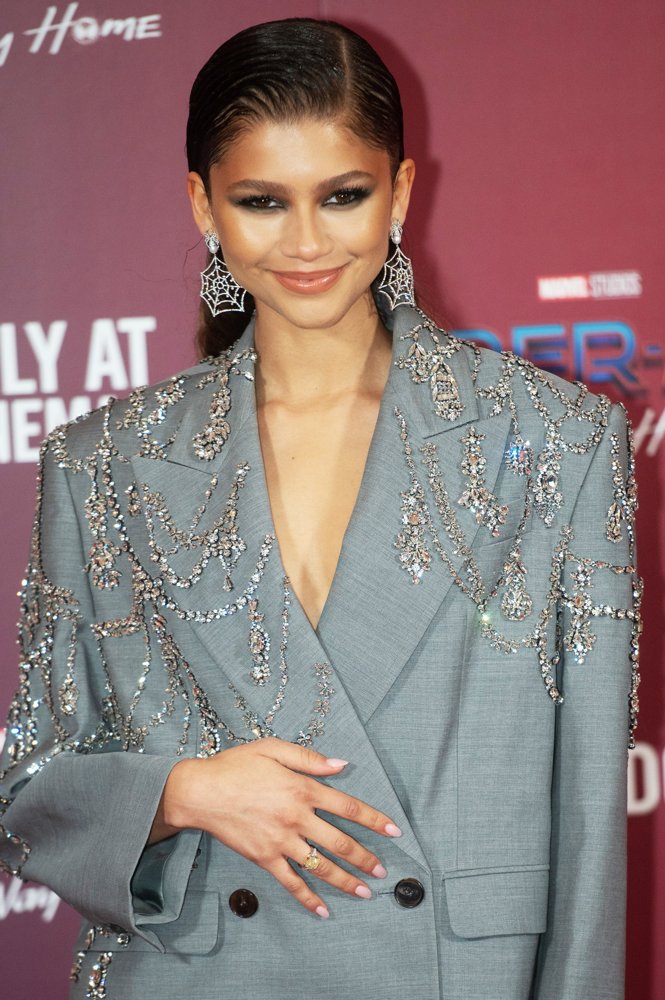
Zendaya Coleman
Spider-Man: No Way Home UK Photocall
Dec 5, 2021

Zendaya Coleman
Los Angeles Premiere of Columbia Pictures' Spider-Man: No Way Home
Dec 13, 2021





⭐Featured Celebrities