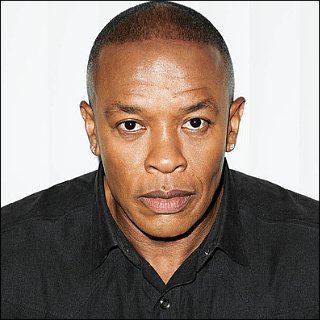
Born Andre Romell Young on February 18, 1965, in Compton, California, the artist known to the world as Dr. Dre is a towering figure in the history of hip-hop, whose influence as a rapper, producer, and entrepreneur has shaped the genre's sound and business for decades. While the name Nicole Young is associated with his personal life, it is Dr. Dre's professional moniker that has become synonymous with the rise of West Coast rap. His journey began in the mid-1980s with the electro-hop group the World Class Wreckin' Cru, but his true impact started in 1987 when he co-founded the seminal group N.W.A alongside Eazy-E, Ice Cube, and others. As the group's primary producer, Dre helped craft the aggressive, politically charged sound of their 1989 debut, Straight Outta Compton, which became a landmark album that brought gangsta rap to the national forefront and detailed the harsh realities of street life.
Following N.W.A's dissolution in 1991, Dr. Dre embarked on a solo career that would cement his legendary status. In 1992, he released his debut solo album, The Chronic, under the newly formed Death Row Records, which he co-founded. The album was a masterclass in the G-funk subgenre, a style he pioneered characterized by slow, heavy synthesizer-driven production. With its lead single "Nuthin' but a 'G' Thang" featuring Snoop Dogg, The Chronic became a massive commercial and critical success, making Dre one of the best-selling artists of 1993 and earning him a Grammy Award for the track "Let Me Ride." His production work during this era was equally impactful, as he mentored his stepbrother Warren G and produced Snoop Dogg's iconic debut, Doggystyle, solidifying his reputation as a hitmaker who could launch and define the careers of other artists.
In 1996, seeking greater creative control, Dr. Dre left Death Row to establish Aftermath Entertainment. After releasing his compilation Dr. Dre Presents: The Aftermath, he returned with his second solo album, 2001, in 1999, which featured the iconic hits "Still D.R.E." and "Forgot About Dre." The new millennium saw Dre shift his focus from his own recordings to production and artist development, a period in which he displayed an uncanny knack for discovering and nurturing talent. Most notably, he signed Eminem in 1998 and 50 Cent in 2002, contributing extensively to their groundbreaking albums and helping to turn them into global superstars. Under the Aftermath banner, he later signed and mentored other significant artists, including Kendrick Lamar and Anderson .Paak, ensuring his influence continued to permeate the next generations of hip-hop. His long-awaited third studio album, Compton, was finally released in 2015, serving as a companion piece to the biographical film Straight Outta Compton.
Beyond his musical output, Dr. Dre has proven to be a savvy businessman, most notably as the co-founder of Beats Electronics, which was acquired by Apple in 2014, making him one of the wealthiest figures in music. He has also ventured into acting, appearing in films such as Set It Off, The Wash, and Training Day. Over his career, he has amassed seven Grammy Awards, including Producer of the Year, Non-Classical, and has been ranked by Rolling Stone among the 100 Greatest Artists of All Time. However, his legacy is not without controversy, as he has faced multiple public accusations of violence against women, including an assault on television host Dee Barnes in 1991 and allegations from former partners like Michel'le. In 2015, he issued a public apology for his past actions. Despite these complex chapters, Dr. Dre's role as a visionary architect of modern hip-hop remains undeniable, with his production techniques and business acumen having fundamentally altered the landscape of popular music.
⭐
Similar Celebrities
📷
Recent Photos
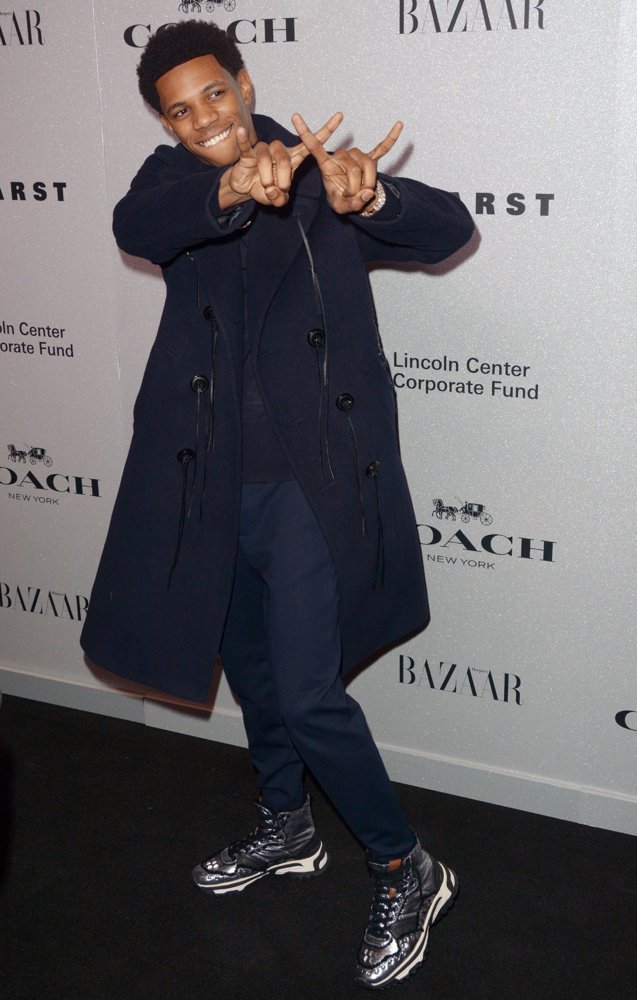
A Boogie Wit Da Hoodie
Lincoln Center Fashion Gala - An Evening Honoring Coach
Nov 29, 2018
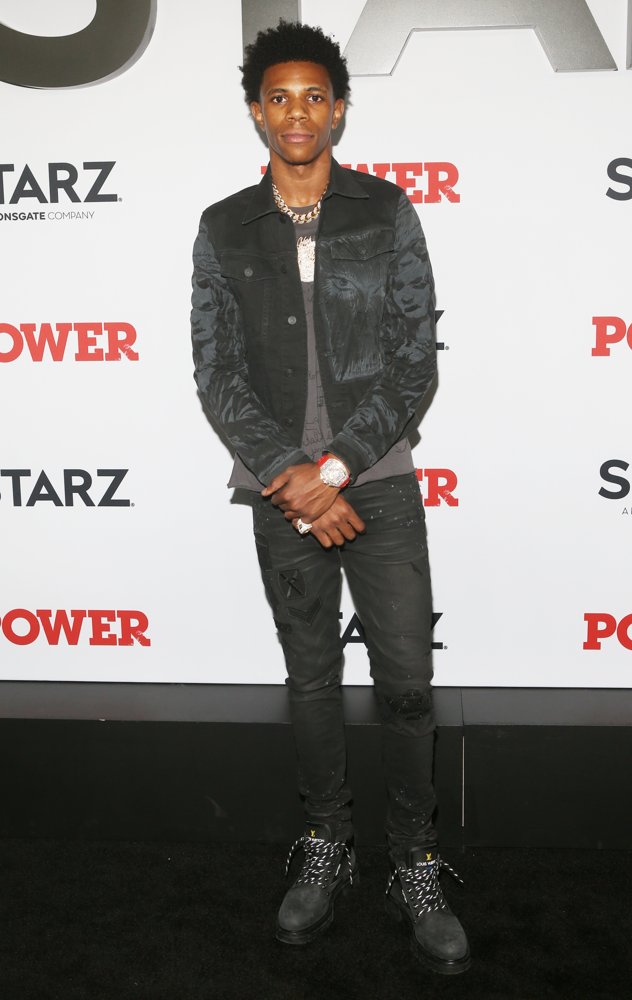
A Boogie Wit Da Hoodie
STARZ Red Carpet Event for Power Final Season World Premiere
Aug 20, 2019
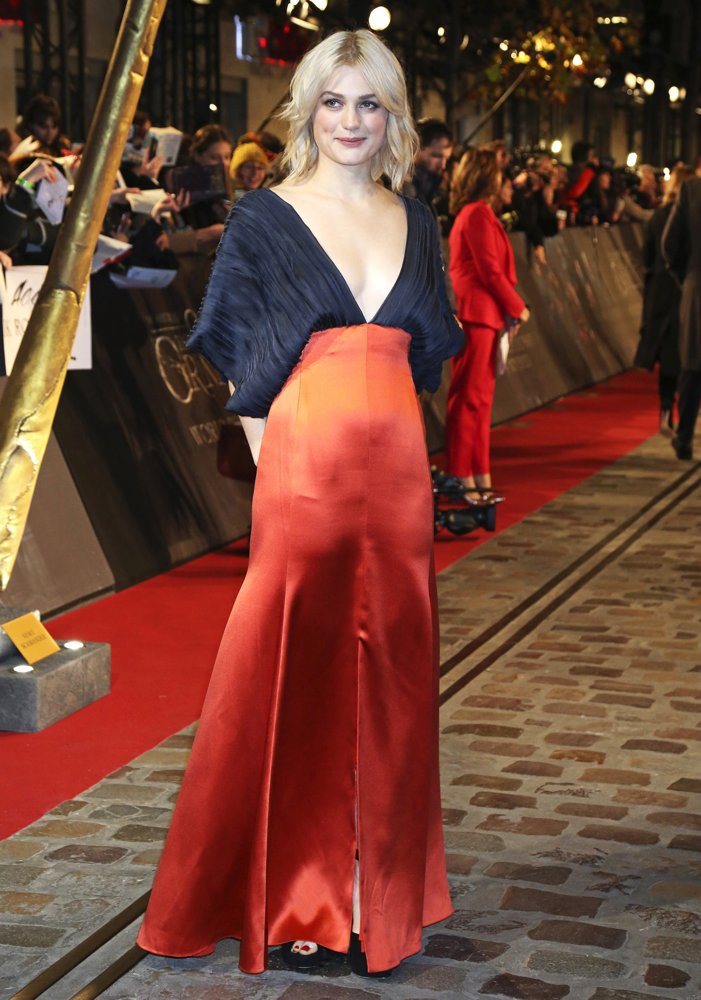
A Fine Frenzy
World Premiere of Fantastic Beasts: The Crimes of Grindelwald - Arrivals
Nov 8, 2018
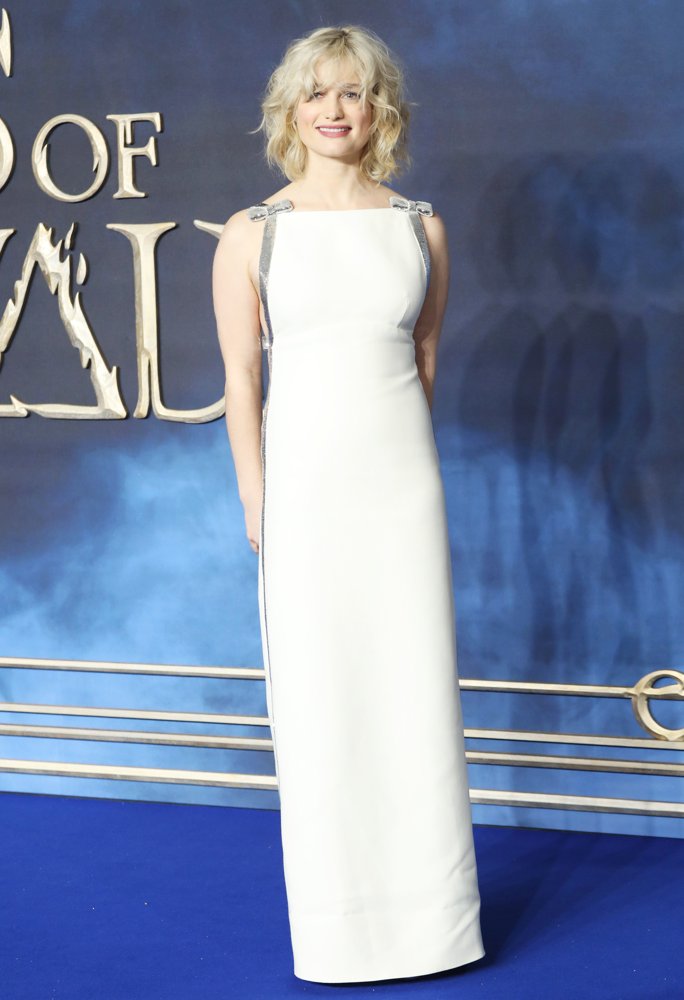
A Fine Frenzy
The UK Premiere of Fantastic Beasts: The Crimes of Grindelwald - Arrivals
Nov 13, 2018
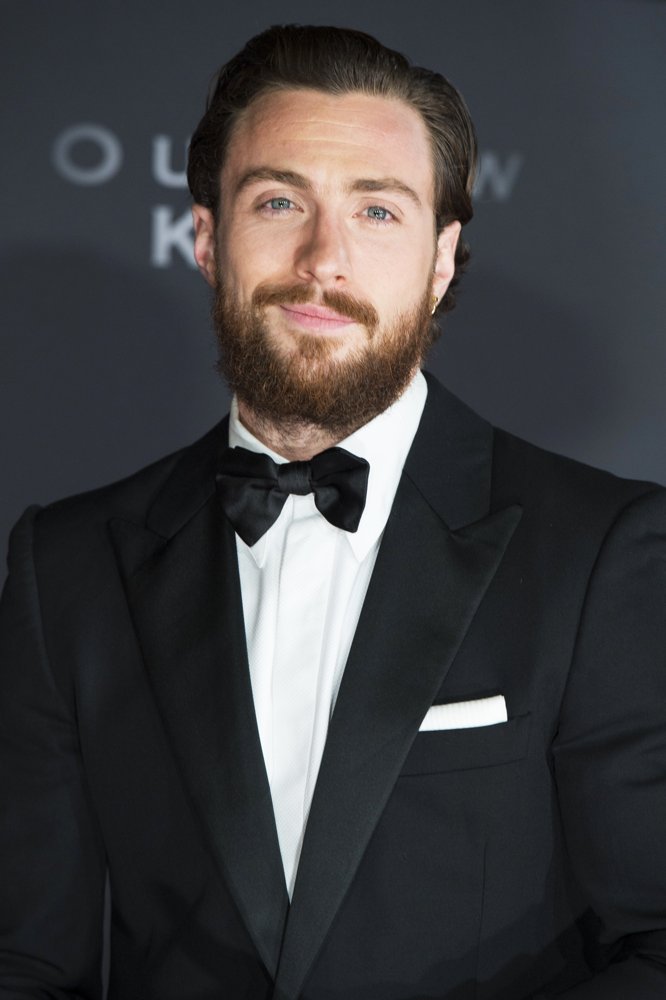
Aaron Johnson
Scottish Outlaw King Premiere
Oct 19, 2018
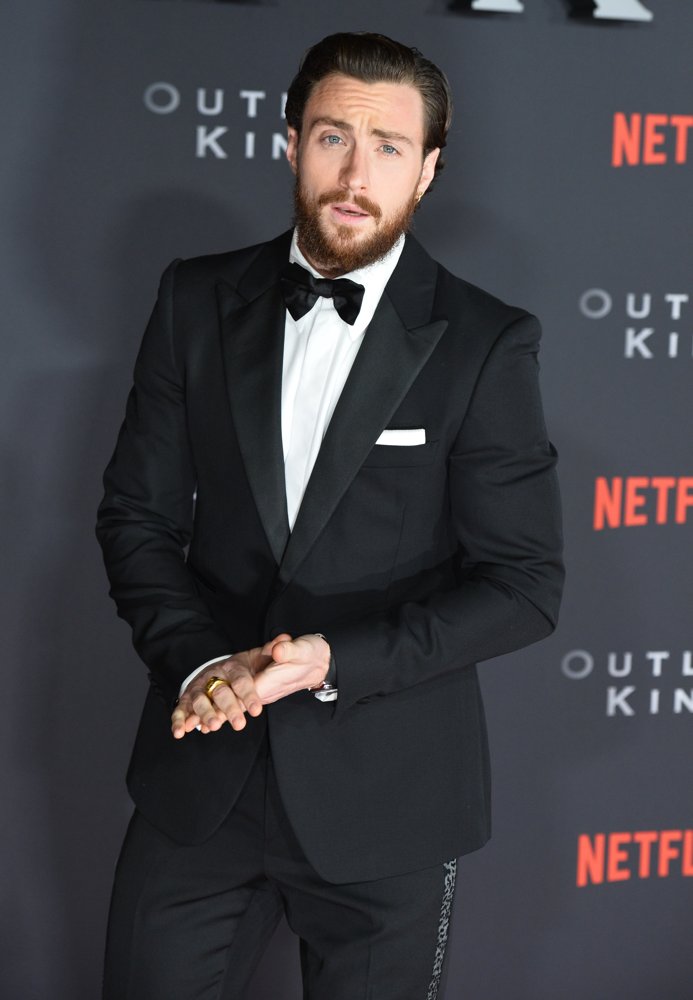
Aaron Johnson
Scottish Outlaw King Premiere
Oct 19, 2018





⭐Featured Celebrities