Nicholas Edward Cave, born on 22 September 1957 in rural Victoria, Australia, stands as one of the most singular and enduring figures in modern rock music. As the frontman of Nick Cave and the Bad Seeds, he has forged a career spanning over four decades, defined by a deep, baritone voice, a ferocious artistic intensity, and a relentless exploration of the darkest and most profound corners of the human experience, including death, religion, love, and violence. His journey from the volatile post-punk scenes of Melbourne and London to a respected elder statesman of alternative music is a testament to his uncompromising vision and remarkable creative evolution.
Cave’s artistic path began in Melbourne, where he studied art before forming The Birthday Party in the late 1970s. The band quickly became a leading force in the city's post-punk movement, and their relocation to London in 1980 marked a turning point. Disillusioned with their surroundings, they crafted a darker, more challenging sound that would become a cornerstone of gothic rock, earning them a notorious reputation as "the most violent live band in the world." Cave himself became an iconic figure, recognized for his confrontational stage presence, shock of black hair, and gaunt, pale appearance. After the band's dissolution in West Berlin in 1982, Cave immediately established Nick Cave and the Bad Seeds, a group later hailed as one of rock's most redoubtable and enduring outfits. Their early work was steeped in a mythic American Deep South, drawing on spirituals and Delta blues, with Cave's Old Testament preoccupations culminating in his signature song, "The Mercy Seat" (1988), and his debut novel, And the Ass Saw the Angel (1989). He also ventured into cinema during this period, co-writing and scoring the Australian prison film Ghosts… of the Civil Dead in 1988.
The 1990s saw a significant shift in Cave's sound as he found inspiration in the New Testament and moved between São Paulo and England. He achieved mainstream success with quieter, piano-driven ballads, most notably his duet with Kylie Minogue, "Where the Wild Roses Grow" (1996), and the hauntingly beautiful "Into My Arms" (1997). The new millennium brought another creative chapter, with Cave turning increasingly to film. He wrote the screenplay for the Australian Western The Proposition (2005) and, with his frequent collaborator Warren Ellis, composed its soundtrack. The pair's film scoring credits expanded to include The Assassination of Jesse James by the Coward Robert Ford (2007), The Road (2009), and Hell or High Water (2016). Alongside this, Cave launched the garage rock side project Grinderman in 2006 and released his second novel, The Death of Bunny Munro, in 2009. He also starred in the semi-fictional film 20,000 Days on Earth (2014), a day-in-the-life portrait of his creative process.
The latter part of Cave's career has been profoundly shaped by personal tragedy. The death of his son Arthur in 2015 informed his more recent work, which features ambient and electronic elements and increasingly abstract lyrics. This grief is explored in the documentary One More Time with Feeling (2016) and the Bad Seeds' acclaimed 2019 album Ghosteen. The band's 18th studio album, Wild God, was released in 2024, demonstrating his continued vitality. Beyond music, Cave has maintained The Red Hand Files since 2018, a newsletter where he offers thoughtful, often deeply personal responses to fan questions. His extensive collaborations include work with Johnny Cash, Shane MacGowan, and ex-partner PJ Harvey, and his songs have been covered by a diverse array of artists, from Cash and Metallica to Snoop Dogg. Inducted into the ARIA Hall of Fame in 2007 and named an Officer of the Order of Australia in 2017, Nick Cave remains a profoundly influential artist, continually reshaping his sound while never losing the emotional intensity that defines his legacy.
⭐
Similar Celebrities


📷
Recent Photos
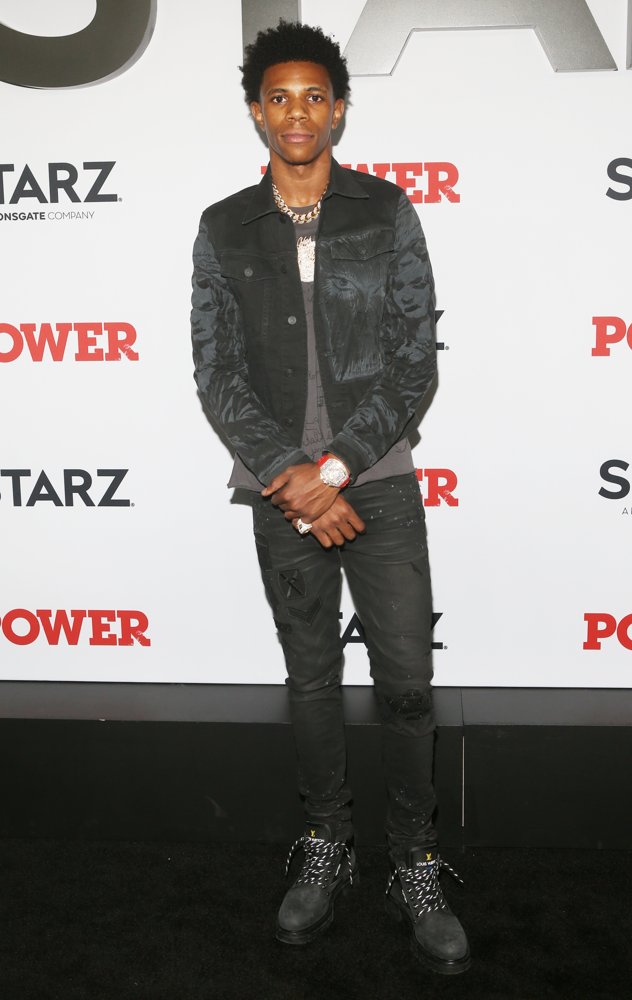
A Boogie Wit Da Hoodie
STARZ Red Carpet Event for Power Final Season World Premiere
Aug 20, 2019
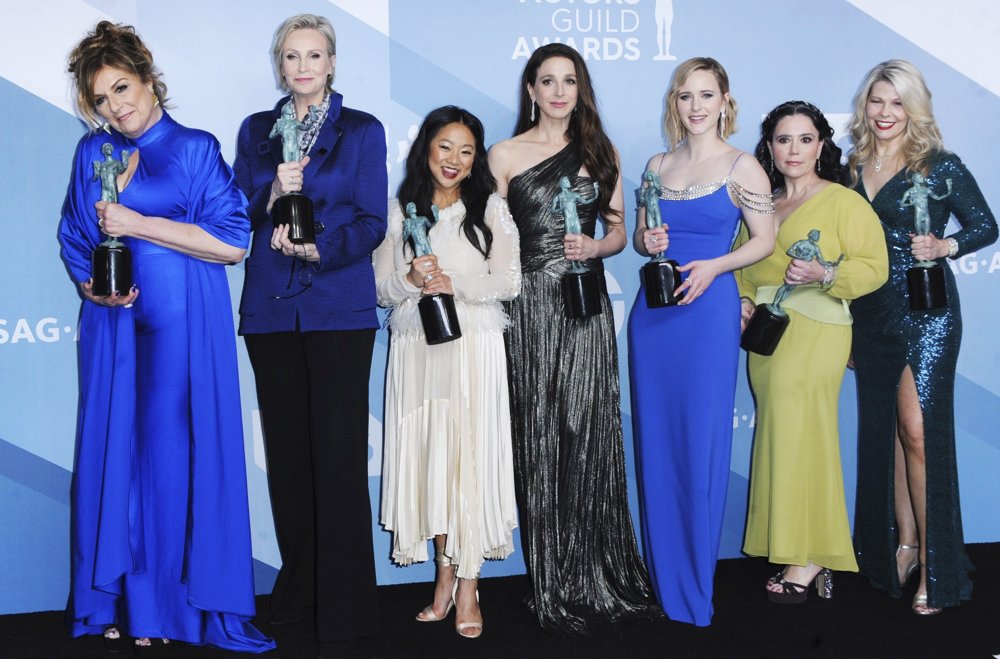
Caroline Aaron
26th Annual SAG Awards - Press Room
Jan 19, 2020
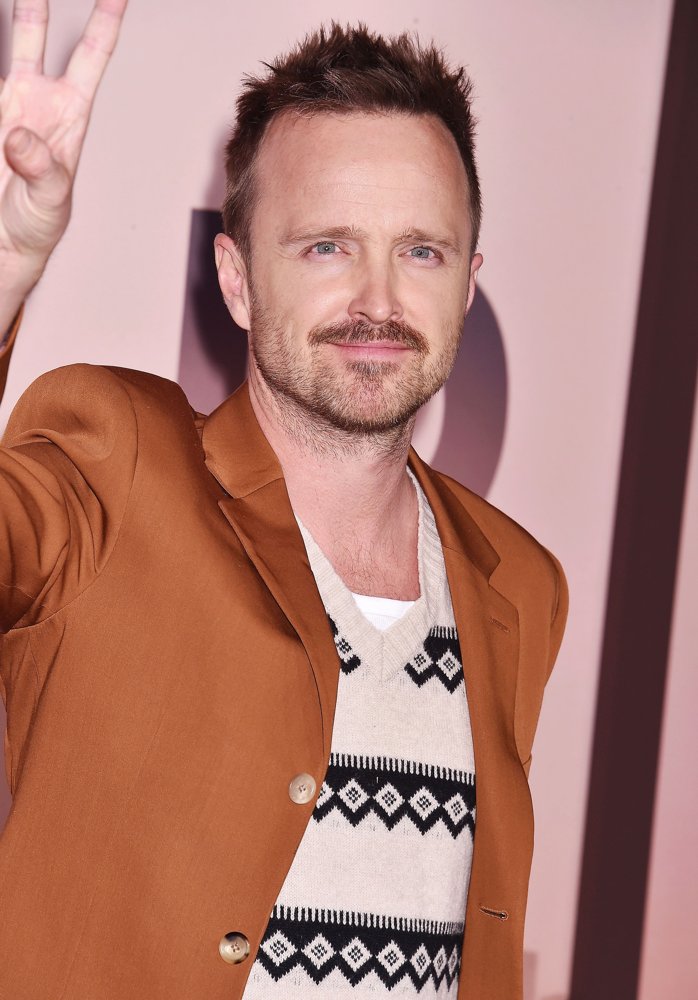
Aaron Paul
Premiere of HBO's Westworld Season 3 - Arrivals
Mar 5, 2020
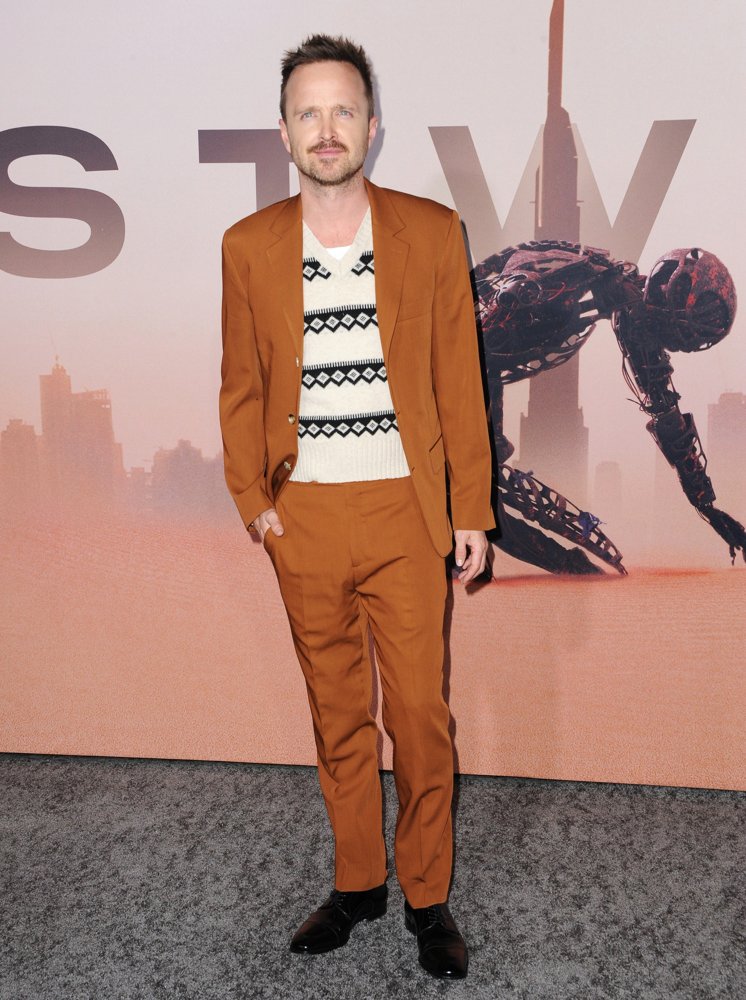
Aaron Paul
Premiere of HBO's Westworld Season 3 - Arrivals
Mar 5, 2020
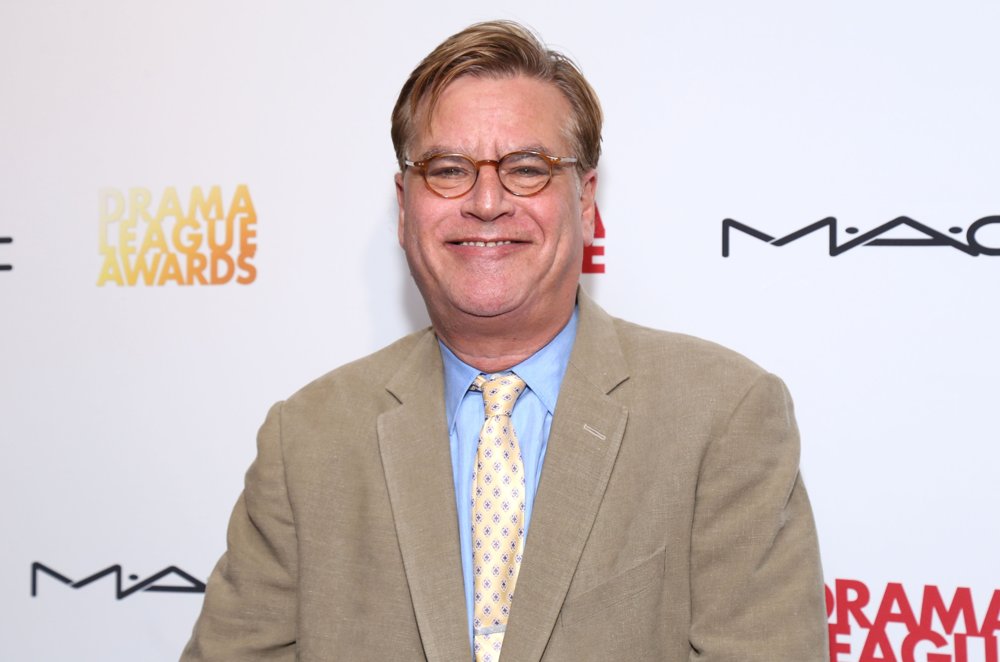
Aaron Sorkin
85th Drama League Awards - Arrivals
May 17, 2019
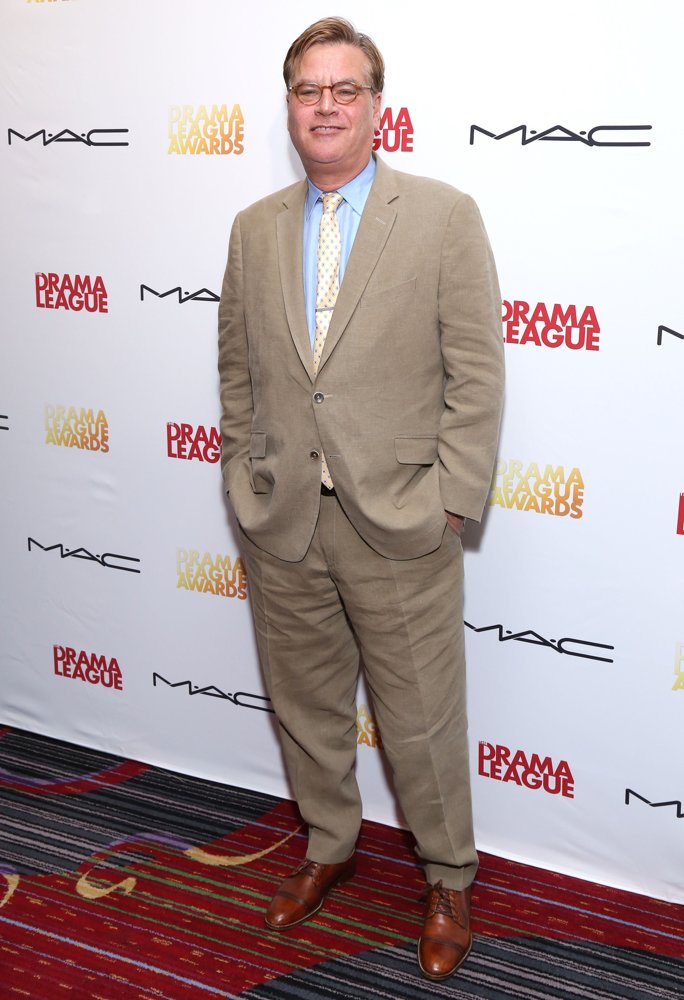
Aaron Sorkin
85th Drama League Awards - Arrivals
May 17, 2019




⭐Featured Celebrities