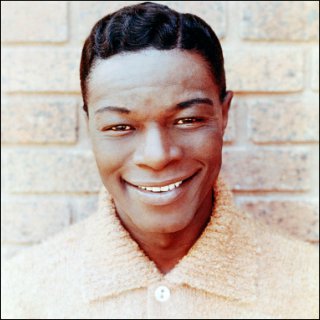
 Nat King Cole, born Nathaniel Adams Coles on March 17, 1919, in Montgomery, Alabama, was a pioneering American singer and jazz pianist whose velvety baritone and sophisticated style made him one of the most beloved and enduring entertainers of the 20th century. His career, which spanned from the late 1930s to the mid-1960s, broke significant racial barriers in the entertainment industry, most notably as the first African American to host a nationally broadcast television variety show. Cole transitioned seamlessly from a revered jazz instrumentalist to a top-selling pop vocalist, leaving behind a timeless catalog of classic songs.
Raised in Chicago, Cole was a musical prodigy, learning piano from his mother and formally studying jazz, gospel, and classical music. He dropped out of high school at 15 to pursue a career as a jazz pianist, initially touring with a revival of Eubie Blake's musical revue. His big break came in the late 1930s when he formed the King Cole Trio, a groundbreaking small jazz ensemble featuring piano, guitar, and bass. The trio's innovative sound and Cole's understated, cool piano style became the model for countless groups that followed. They signed with the fledgling Capitol Records, becoming the label's top-selling act throughout the 1940s with hits like "Straighten Up and Fly Right," which Cole also co-wrote.
Although initially reluctant, public and producer demand for his warm, intimate singing voice led Cole to gradually shift his focus from piano to vocals. By 1950, he was billed primarily as a solo singer, though he often performed with his trio. He achieved monumental success in the pop arena with a string of iconic singles including "Mona Lisa," "Nature Boy," "Unforgettable," "When I Fall in Love," and "The Christmas Song," which he made a perennial holiday standard. His 1960 Christmas album, The Magic of Christmas, remains one of the best-selling holiday albums of all time.
Despite his mainstream popularity, Cole faced intense racial discrimination, most infamously when he was attacked on stage by white supremacists during a 1956 concert in Birmingham, Alabama. He responded by quietly but consistently supporting the civil rights movement, performing for organizations and participating in the 1963 March on Washington. His most visible challenge to segregation came with The Nat King Cole Show, which aired on NBC from 1956 to 1957. As the first nationally broadcast variety series hosted by a Black American, it was a historic milestone, though it struggled to find a national sponsor and was ultimately canceled due to a lack of network support.
Cole's career also included film appearances in movies like St. Louis Blues and Cat Ballou. He received numerous accolades, including a Special Achievement Golden Globe Award and a star on the Hollywood Walk of Fame. Nat King Cole died of lung cancer on February 15, 1965. His legacy has only grown posthumously; he has been inducted into the Rock and Roll Hall of Fame, the DownBeat Jazz Hall of Fame, and received a Grammy Lifetime Achievement Award. His daughter, singer Natalie Cole, famously performed a virtual duet of "Unforgettable" with him in 1991. Cole's recordings, characterized by their elegance and emotional depth, continue to captivate new generations of listeners.
⭐
Similar Celebrities



📷
Recent Photos
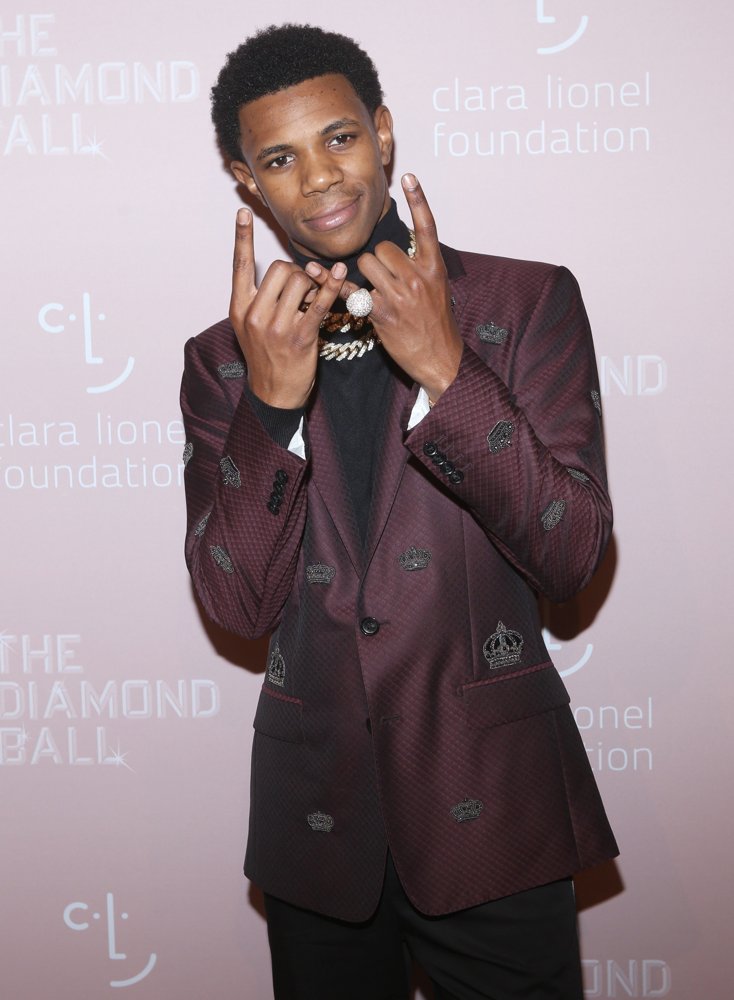
A Boogie Wit Da Hoodie
Rihanna's 4th Annual Diamond Ball
Sep 13, 2018

A Boogie Wit Da Hoodie
Lincoln Center Fashion Gala - An Evening Honoring Coach
Nov 29, 2018
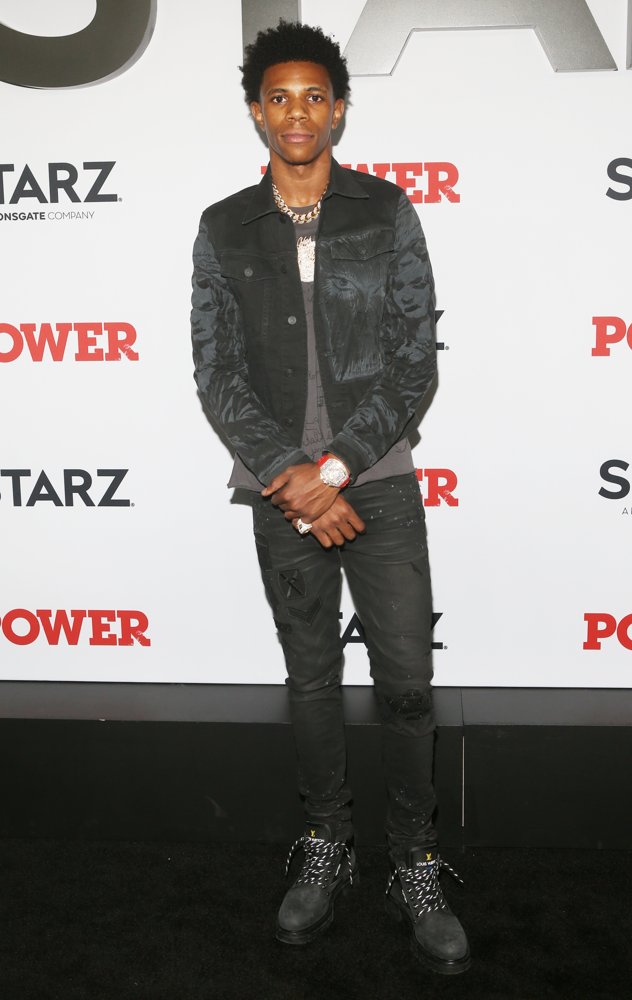
A Boogie Wit Da Hoodie
STARZ Red Carpet Event for Power Final Season World Premiere
Aug 20, 2019

A Fine Frenzy
The 24th Annual Screen Actors Guild Awards - Arrivals
Jan 21, 2018

A Fine Frenzy
World Premiere of Fantastic Beasts: The Crimes of Grindelwald - Arrivals
Nov 8, 2018
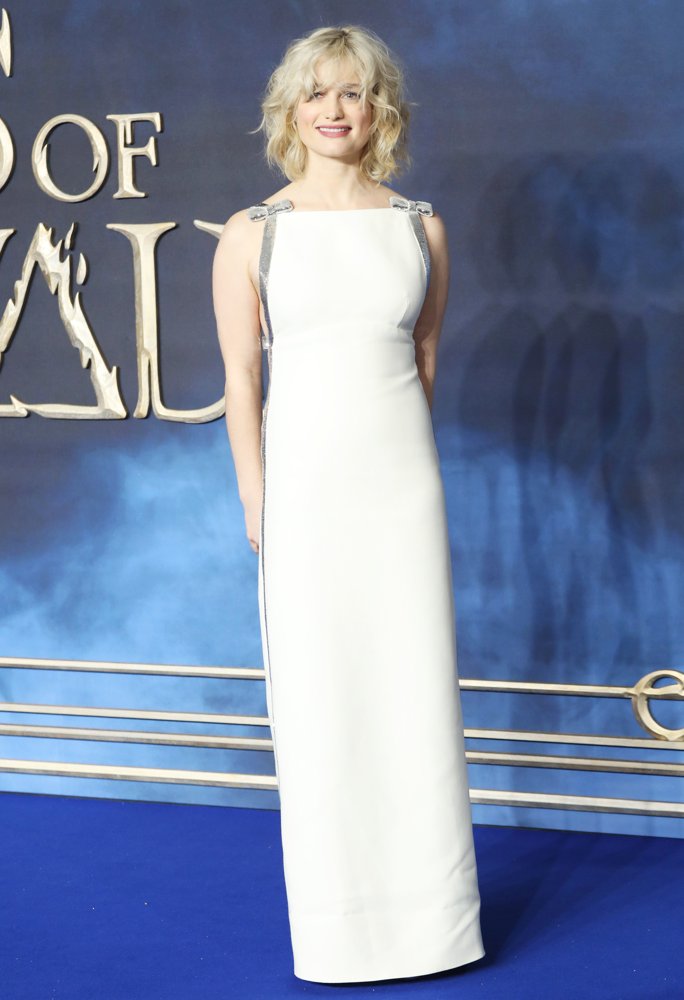
A Fine Frenzy
The UK Premiere of Fantastic Beasts: The Crimes of Grindelwald - Arrivals
Nov 13, 2018




⭐Featured Celebrities