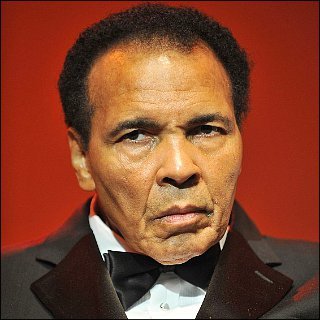
 Muhammad Ali, born Cassius Marcellus Clay Jr. on January 17, 1942, in Louisville, Kentucky, emerged as one of the most iconic figures in sports history. Renowned not only for his unparalleled achievements in the boxing ring but also for his profound impact on culture and society, he is often regarded as the greatest heavyweight boxer of all time. His audacious personality and groundbreaking activism made him a global cultural icon, earning him the nickname "The Greatest."
Ali began his boxing journey at the tender age of 12, training with fervor and quickly rising through the ranks. His amateur career culminated in a gold medal victory in the light heavyweight division at the 1960 Summer Olympics in Rome. Shortly after, he turned professional, and by the age of 22, he achieved a monumental upset by defeating Sonny Liston on February 25, 1964, to claim the World Heavyweight Championship. In a bold declaration, he announced that he was changing his name to Muhammad Ali, viewing his birth name as a "slave name." This marked the beginning of a career filled with historic triumphs and cultural significance.
Throughout the 1960s and 1970s, Ali's boxing prowess led him to an extraordinary series of battles, including legendary fights against Joe Frazier in what was dubbed the "Fight of the Century," as well as the famous "Thrilla in Manila." He also faced George Foreman in the groundbreaking match known as "The Rumble in the Jungle." Known for his unorthodox style, footwork, and charismatic trash-talking, Ali's presence transcended the sport, as he often entertained fans with poetic predictions of his victories, becoming a precursor to elements of hip-hop culture.
In addition to his boxing achievements, Ali's stance against the Vietnam War further solidified his role as a cultural and political figure. In 1967, he refused to be drafted into the military, citing his religious beliefs and ethical opposition to the war. This act of defiance led to his conviction for draft evasion and the stripping of his boxing titles, causing him to miss nearly four years of competition during a prime period in his career. His eventual return to the ring was marked by a legendary comeback, reclaiming his status as a champion after a lengthy legal battle that culminated in a Supreme Court ruling in his favor in 1971.
Beyond boxing, Ali dabbled in various artistic endeavors, releasing spoken word albums such as "I Am the Greatest!" in 1963 and "The Adventures of Ali and His Gang vs. Mr. Tooth Decay" in 1976, both of which received Grammy nominations. He also wrote two autobiographies, sharing his life story and views with the world. His retirement from boxing in 1981 did not diminish his public presence; rather, he turned his attention to philanthropy, activism, and personal pursuits.
In 1984, Ali announced his diagnosis of Parkinson's syndrome, a condition that some attributed to the physical toll of his boxing career. Despite this setback, he remained active in public life, advocating for various causes and inspiring countless individuals through his resilience and spirit. Ali passed away on June 3, 2016, leaving behind a legacy that extends far beyond the boxing ring, as his life and career continue to resonate powerfully in discussions of race, religion, and social justice. His impact as an athlete and a humanitarian ensures that he will forever be remembered as one of the most significant figures in modern history.
⭐
Similar Celebrities


📷
Recent Photos
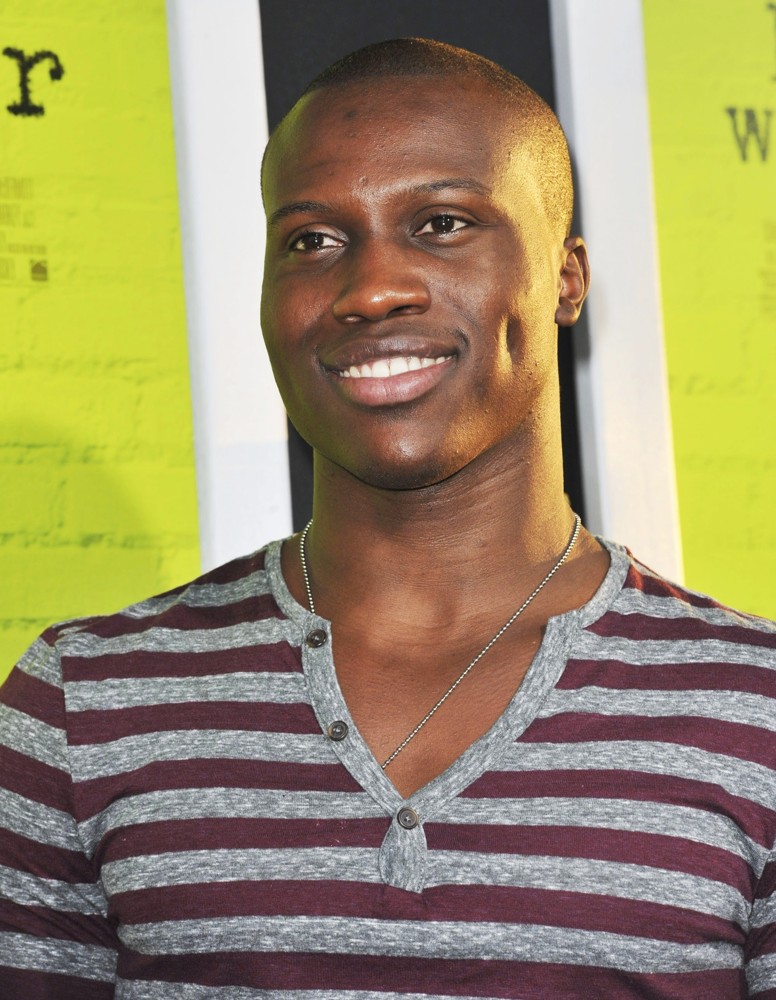
Amadou Ly
The Los Angeles Premiere of The Perks of Being a Wallflower - Arrivals
Sep 10, 2012
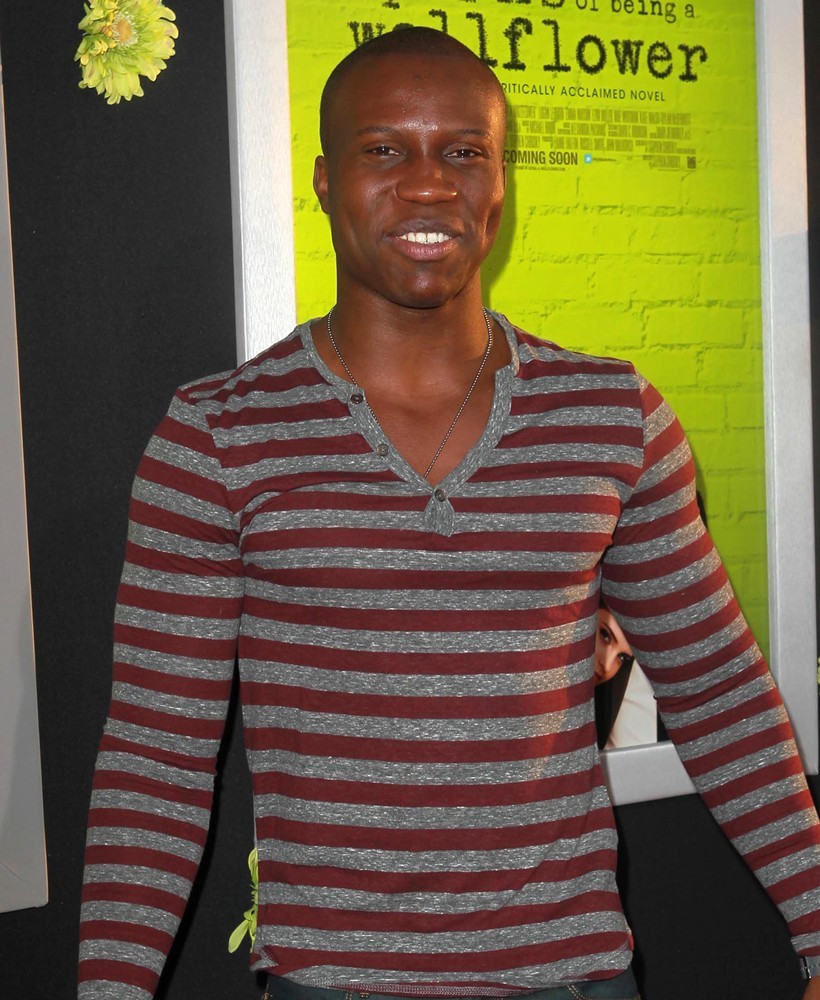
Amadou Ly
The Los Angeles Premiere of The Perks of Being a Wallflower - Arrivals
Sep 10, 2012

Amadou Ly
The Los Angeles Premiere of The Perks of Being a Wallflower - Arrivals
Sep 10, 2012

Avril Lavigne
Mercedes-Benz New York Fashion Week Spring-Summer 2013 - Abbey Dawn - Runway
Sep 10, 2012

Avril Lavigne
Mercedes-Benz New York Fashion Week Spring-Summer 2013 - Abbey Dawn - Runway
Sep 10, 2012

Avril Lavigne
Mercedes-Benz New York Fashion Week Spring-Summer 2013 - Abbey Dawn - Runway
Sep 10, 2012



⭐Featured Celebrities