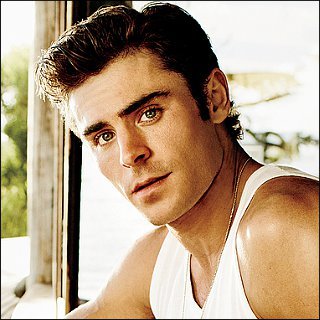
Martyn Ford, born on 28 April 1944 in Rugby, Warwickshire, is a distinguished English musician celebrated for his orchestral contributions to some of the most iconic rock music albums of the 1970s and 1980s. Classically trained from an early age, Ford studied French horn at the Royal Academy of Music, where his exceptional talent set the stage for a remarkable career. During his senior year, he formed his own orchestra, which made its debut at the Royal Albert Hall just months after his graduation, a testament to his ambition and skill as a conductor and arranger.
Ford quickly found his niche as an arranger and conductor in the vibrant rock music scene of the era. His early work included playing horn for the Spencer Davis Group, but he soon expanded his portfolio to collaborate with an impressive array of artists. He lent his orchestral expertise to releases by Caravan, Barclay James Harvest, Bryan Ferry, Ginger Baker, Johnny Nash, Three Man Army, Japan, and Elton John, as well as contributing to the soundtrack for the film Tommy. These collaborations showcased his ability to blend classical orchestration with rock sensibilities, earning him a reputation as a sought-after musical director.
In addition to his work with other artists, Ford recorded under his own name as the Martyn Ford Orchestra. His 1976 album "Smoovin" featured a stellar lineup of musicians, including Mike Moran, Ann Odell, Simon Phillips, Morris Pert, John Gustafson, and Mel Collins. The album spawned the hit single "Let Your Body Go Downtown", which reached No. 38 on the UK Singles Chart in 1977 and No. 34 on the NME singles chart. The song was written by Lynsey de Paul and Moran, who also penned the follow-up single "Going to a Disco", though it failed to chart in the summer of 1977.
As the 1980s unfolded, Ford continued to demonstrate his versatility, working with a new generation of artists including Kate Bush, Phil Collins, and Dave Davies. His orchestral arrangements added depth and grandeur to their recordings, further cementing his legacy as a key figure in the fusion of classical and rock music. Throughout his career, Martyn Ford remained a behind-the-scenes force, elevating the work of countless musicians with his refined compositions and conducting, ensuring his place in the annals of music history as a master of orchestral rock.
⭐
Similar Celebrities

📷
Recent Photos

Katie Price
Katie Price Launches Only Fans Channel - Photocall
Jan 26, 2022

Katie Price
Katie Price Launches Only Fans Channel - Photocall
Jan 26, 2022

Jessie J
The Premiere of Cirque Du Soleil Luzia
Jan 13, 2022

Imogen Thomas
The Premiere of Cirque Du Soleil Luzia
Jan 13, 2022
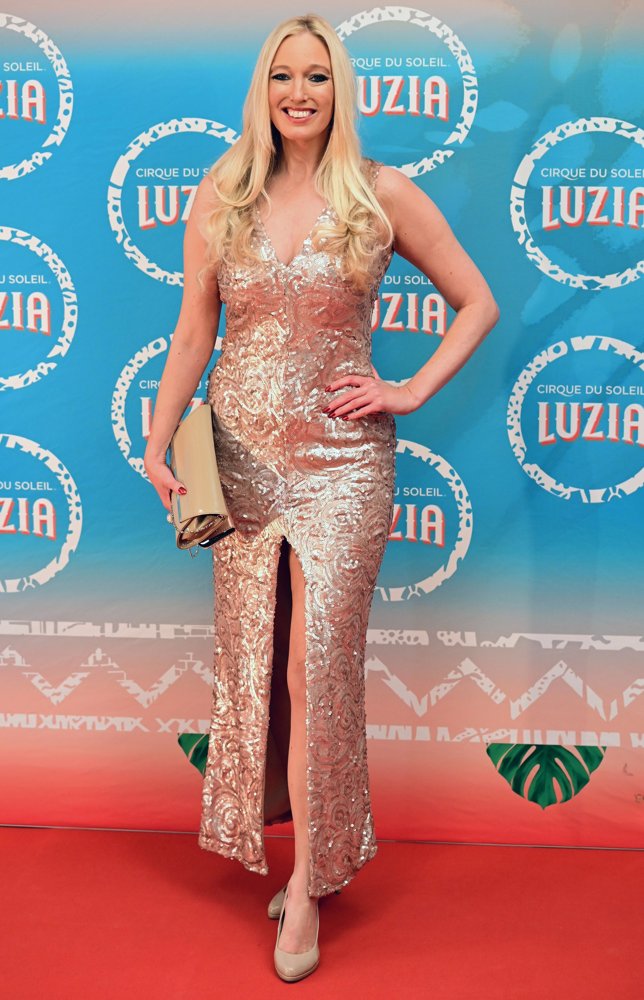
Hayley Palmer
The Premiere of Cirque Du Soleil Luzia
Jan 13, 2022

Phoenix Chi Gulzar
The Premiere of Cirque Du Soleil Luzia
Jan 13, 2022





⭐Featured Celebrities