Mahalia Jackson, born Mahala Jackson on October 26, 1911, in New Orleans, Louisiana, stands as one of the most influential vocalists of the 20th century and the undisputed Queen of Gospel. Over a career spanning four decades, she transformed the genre, selling an estimated 22 million records and bringing the fervor of African American church music to secular concert halls around the globe. Raised in poverty as the granddaughter of enslaved people, Jackson found her purpose early within her church, dedicating her singularly powerful voice to delivering God's word, a mission she never abandoned despite immense pressure to cross over into popular music.
Jackson's journey began in the segregated South, but her life changed dramatically when she moved to Chicago as an adolescent. There, she joined the Johnson Singers, one of the earliest professional gospel groups, and absorbed the profound influence of composer Thomas Dorsey, often called the father of gospel music, as well as the raw emotional delivery of blues singer Bessie Smith. By blending Smith's blues phrasing with traditional Protestant hymns, Jackson crafted a distinctive, improvisational style marked by her deep contralto voice and an electrifying stage presence. For fifteen years, she worked as what she called a "fish and bread singer," taking odd jobs between performances at funerals, political rallies, and church revivals to sustain herself, while her reputation within Chicago's religious community steadily grew.
Nationwide fame arrived in 1947 with the release of "Move On Up a Little Higher," a recording that sold over two million copies and reached number two on the Billboard charts, making history as the first gospel record to achieve such commercial success. This breakthrough opened doors that had previously been closed to gospel artists, and Jackson became the first gospel singer to tour Europe, captivating audiences in France and beyond. She became a familiar presence on radio and television, and her status as a cultural icon was cemented when she performed the national anthem at President John F. Kennedy's Inaugural Ball in 1961. Her concerts drew integrated crowds during an era of pervasive racial segregation, and she used her platform to support the civil rights movement, performing at fundraisers and singing the spiritual "How I Got Over" at the March on Washington for Jobs and Freedom in 1963, where she also offered a spontaneous and moving benediction. She was a devoted friend and supporter of Martin Luther King Jr., frequently using her voice to rally and inspire activists on the front lines of the struggle.
Throughout her life, Jackson remained resolute in her commitment to gospel, turning down lucrative offers to record secular blues and jazz. Her artistic genius lay in her complete self-education and her intuitive mastery of melody and rhythm, which she manipulated with astonishing freedom to convey deep, visceral emotion. Her performances were passionate and often frenetic, marked by weeping and physical expressions of joy that forged an intense connection with her audiences. Her immense success initiated the "Golden Age of Gospel," paving the way for countless soloists and groups to tour and record, while her vocal techniques profoundly shaped the development of rhythm and blues, soul, and rock and roll. Her legacy is enshrined in numerous honors, including three competitive Grammy Awards, a Grammy Lifetime Achievement Award, and inductions into the Grammy Hall of Fame, the National Recording Registry, and the Rock & Roll, Gospel, and R&B Halls of Fame. She also received a star on the Hollywood Walk of Fame, was named one of NPR's 50 Great Voices, and was ranked among Rolling Stone's 200 Greatest Singers of All Time. Mahalia Jackson passed away on January 27, 1972, but her powerful voice and unwavering spirit continue to resonate as a defining force in American music.

📷
Recent Photos
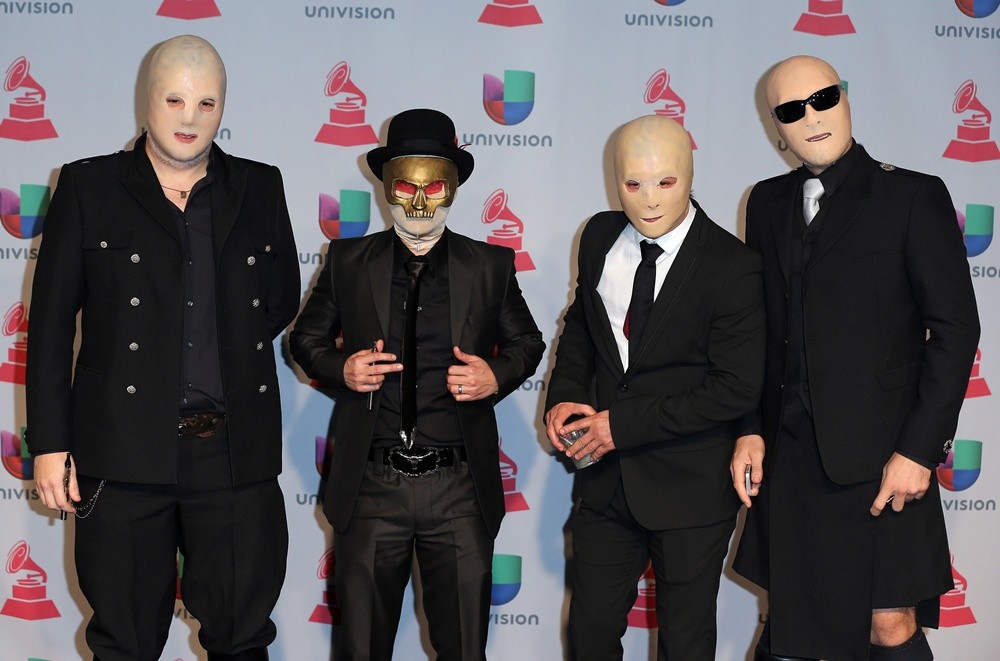
A Band of Bitches
The Latin Grammys 2013
Nov 21, 2013
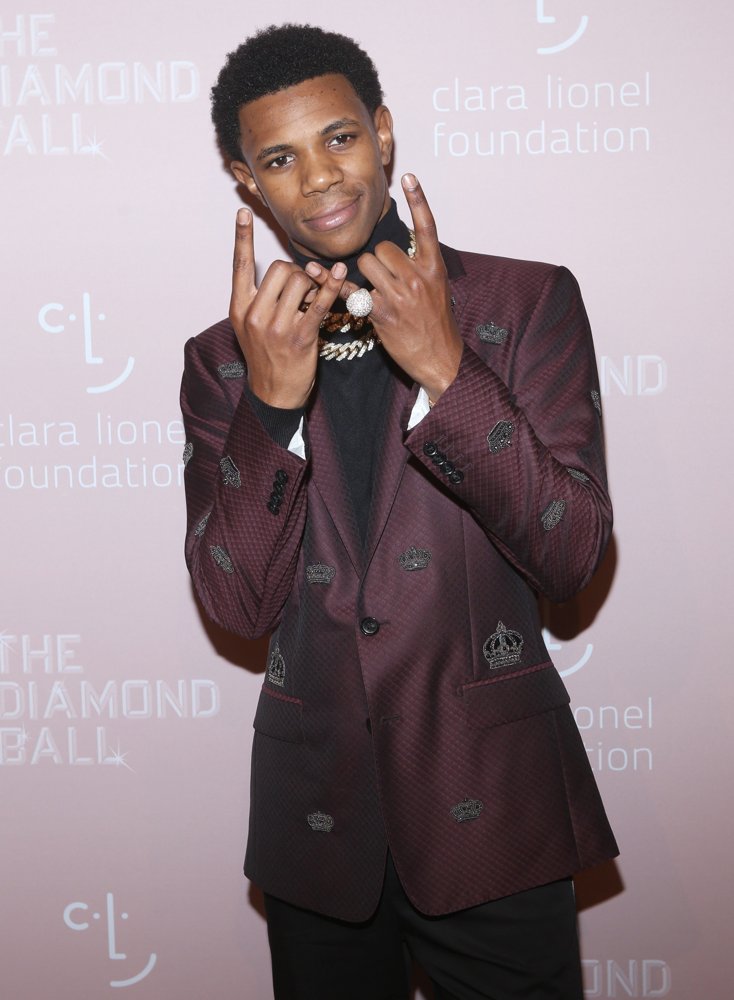
A Boogie Wit Da Hoodie
Rihanna's 4th Annual Diamond Ball
Sep 13, 2018
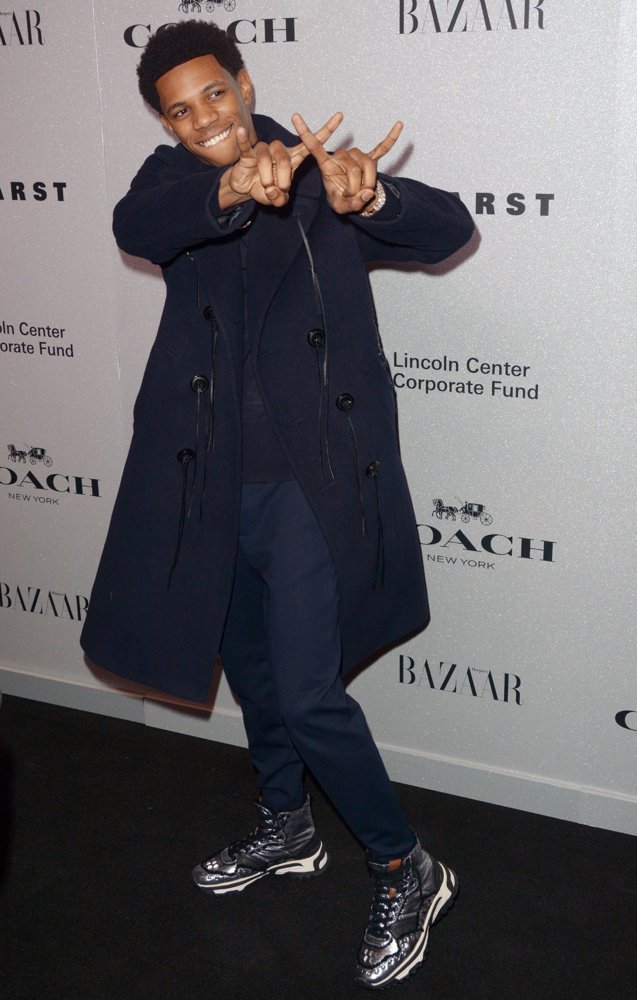
A Boogie Wit Da Hoodie
Lincoln Center Fashion Gala - An Evening Honoring Coach
Nov 29, 2018
A Boogie Wit Da Hoodie
STARZ Red Carpet Event for Power Final Season World Premiere
Aug 20, 2019
A Fine Frenzy
2014 Entertainment Weekly Pre-Emmy Party - Arrivals
Aug 23, 2014
A Fine Frenzy
2014 Entertainment Weekly Pre-Emmy Party - Arrivals
Aug 23, 2014



⭐Featured Celebrities