Logan Marshall, born Logan Howard-Smith on November 18, 1883, in Germantown, Philadelphia, Pennsylvania, was a notable American author and editor best recognized for his works that captured public interest around significant events, particularly maritime disasters. His pen name, Logan Marshall, became synonymous with quick, engaging narratives that catered to the curiosity of the reading public during his era.
Growing up in a family where his father, Robert Spurrier Howard-Smith, served as an executive at Link-Belt, Logan was encouraged in his academic pursuits. He attended the University of Pennsylvania, from which he graduated in 1905. Shortly after his graduation, he embarked on a career in publishing, securing a position as an assistant editor at The John C. Winston Co., a publishing firm that later became part of Holt, Rinehart & Winston. At Winston, he not only edited but also authored numerous books, predominantly under his pseudonym, Logan Marshall.
Marshall's writing style has been described as melodramatic, and he often faced criticism for being a "hack" due to the rapid production of his works. However, his ability to respond swiftly to contemporary events led to his most notable achievements. His books, including "The Sinking of the Titanic" and "Great Sea Disasters," gained significant attention and acclaim, serving as important references for those interested in maritime history. The immediacy of his publications allowed him to tap into the public's fascination with such events, ensuring his works were among the first available following major incidents.
In his personal life, Logan Marshall married Amelia Sparks Douglas on April 22, 1917. Together, they navigated the complexities of the early 20th century, during which Marshall's writing continued to evolve. His literary contributions remained influential, particularly in discussions surrounding the Titanic disaster, which was extensively documented in his works.
Logan Marshall passed away on September 22, 1937, at the age of 53. He was laid to rest at Laurel Hill Cemetery in Philadelphia, a testament to his roots and the city that shaped his early life. Although his reputation has fluctuated over time, Marshall's legacy as a writer who capitalized on the zeitgeist of his time endures, reminding readers of the power of narrative in capturing the essence of historical moments.
⭐
Similar Celebrities



📷
Recent Photos

Kelly Brook
Kelly Brook in Leicester Sq
Apr 6, 2021

Myleene Klass
Myleene Klass at Global Radio
Apr 6, 2021

Laurence Fox
Laurence Fox Launches Mayoral Election Manifesto
Apr 7, 2021

Laurence Fox
Laurence Fox Launches Mayoral Election Manifesto
Apr 7, 2021
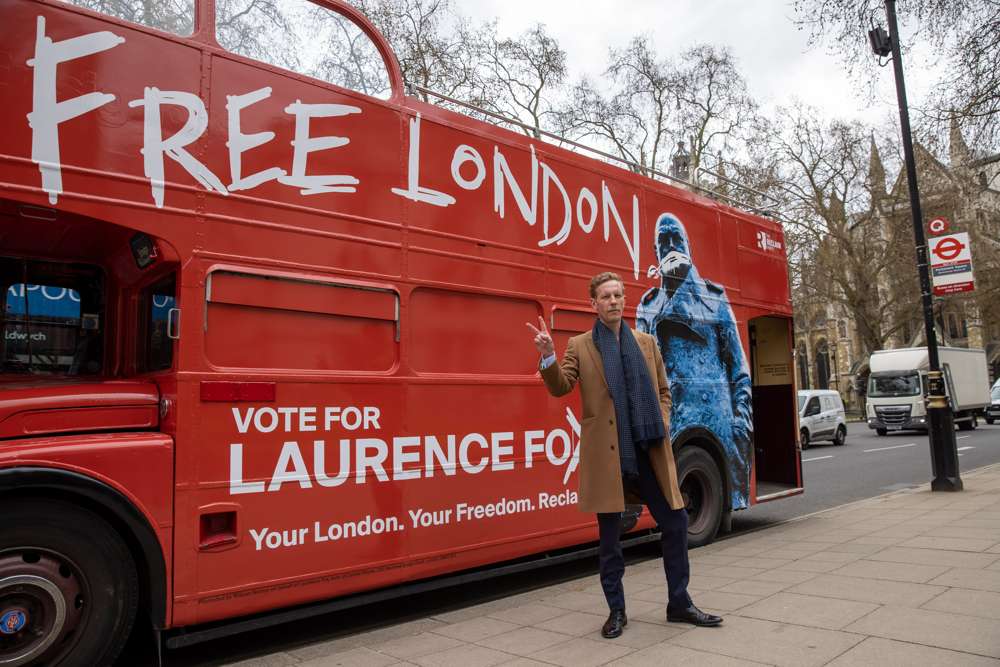
Laurence Fox
Laurence Fox Launches Mayoral Election Manifesto
Apr 7, 2021

Queen Letizia
Queen Letizia of Spain Visits Mutua Madrilena Headquarters
Apr 7, 2021