Mary Elizabeth Truss, born on 26 July 1975, is a British politician who etched her name into history as the shortest-serving Prime Minister of the United Kingdom, holding the office for a mere fifty days in the autumn of 2022. Her rapid rise and equally swift fall from the highest echelons of power made her a defining figure in a period of intense political turbulence. As a member of the Conservative Party, Truss served as the Member of Parliament for South West Norfolk from 2010 until 2024, and her career was marked by a series of high-profile cabinet roles under three different prime ministers before she herself took the top job.
Truss’s early life was steeped in left-wing politics, a background she would later publicly distance herself from. She studied Philosophy, Politics, and Economics at Merton College, Oxford, where she served as president of the Oxford University Liberal Democrats. In a notable ideological shift, she joined the Conservative Party in 1996. Following her graduation, Truss built a career in the private sector, working for energy giant Royal Dutch Shell and telecommunications company Cable & Wireless, before becoming the deputy director of the think tank Reform. After two unsuccessful attempts to enter Parliament, she finally secured the seat of South West Norfolk in the 2010 general election. As a backbencher, she quickly gained a reputation as a vocal advocate for reform in areas such as the economy, childcare, and mathematics education, and she co-founded the Free Enterprise Group of Conservative MPs. She also co-authored influential political works including After the Coalition and Britannia Unchained.
Truss’s ministerial career began in earnest in 2012 when she was appointed Parliamentary Under-Secretary of State for Childcare and Education. Two years later, Prime Minister David Cameron promoted her to the cabinet as Secretary of State for Environment, Food and Rural Affairs. Despite campaigning for Britain to remain in the European Union, Truss became a prominent supporter of Brexit following the 2016 referendum result. When Theresa May succeeded Cameron, she appointed Truss as Secretary of State for Justice and Lord Chancellor, making her the first woman to hold the latter office in its thousand-year history. After the 2017 general election, Truss was demoted to Chief Secretary to the Treasury, a position she held until May’s resignation in 2019, when she threw her support behind Boris Johnson’s successful leadership bid.
Under Johnson, Truss’s career flourished. She was appointed Secretary of State for International Trade and President of the Board of Trade in July 2019, later adding the role of Minister for Women and Equalities. In a 2021 cabinet reshuffle, she was elevated to the prestigious position of Foreign Secretary, where she took a hardline stance in negotiations over the Northern Ireland Protocol and played a key role in the UK’s response to the Russian invasion of Ukraine. Following Johnson’s resignation amid a government crisis, Truss defeated Rishi Sunak in the September 2022 leadership election to become Prime Minister. Her premiership was immediately overshadowed by the death of Queen Elizabeth II just two days after she took office, plunging the government into a ten-day national mourning period. Her administration’s response to the cost-of-living crisis was the Energy Price Guarantee, but it was her government’s mini-budget, which announced large-scale tax cuts funded by borrowing, that proved catastrophic. The financial instability it triggered led to widespread criticism and a loss of confidence in her leadership, forcing her to announce her resignation on 20 October 2022.
After leaving Downing Street, Truss spent the remainder of Sunak’s premiership on the backbenches. In a final political blow, she lost her seat at the 2024 general election, ending her fourteen-year tenure in Parliament. Her legacy remains one of a politician who rose with remarkable speed but whose time at the top was undone by a combination of economic miscalculation and political fragility, cementing her place in British political history as a cautionary tale of ambition and its limits.
⭐
Similar Celebrities


📷
Recent Photos
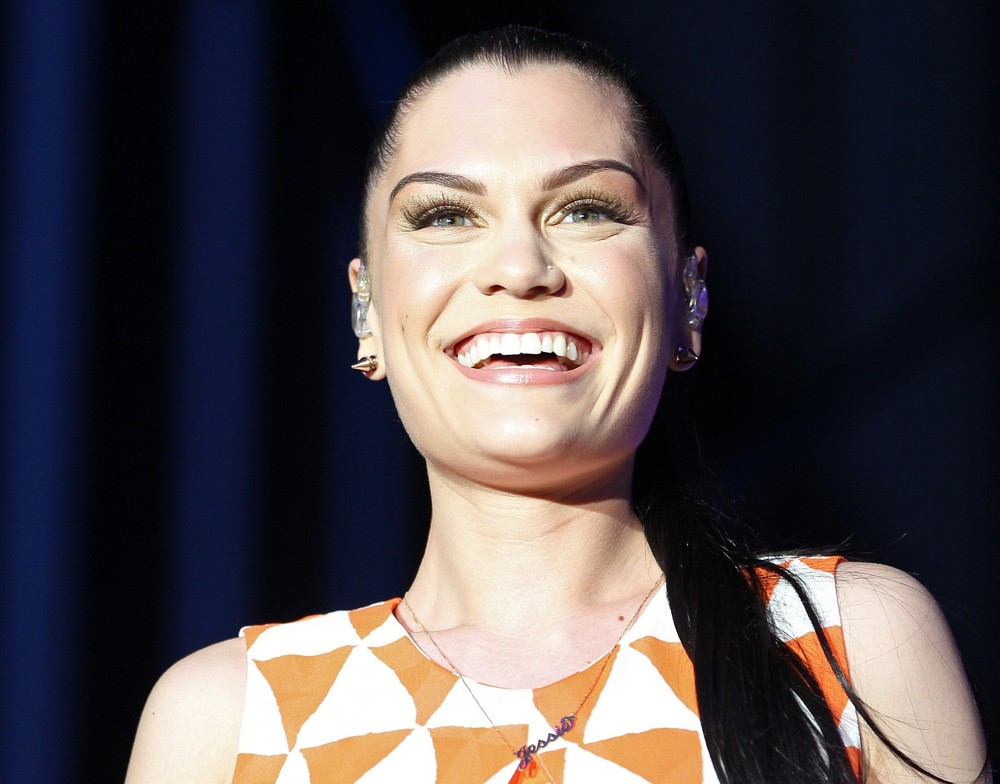
Jessie J
Jessie J Performs at The Newmarket Race Course
Aug 17, 2012
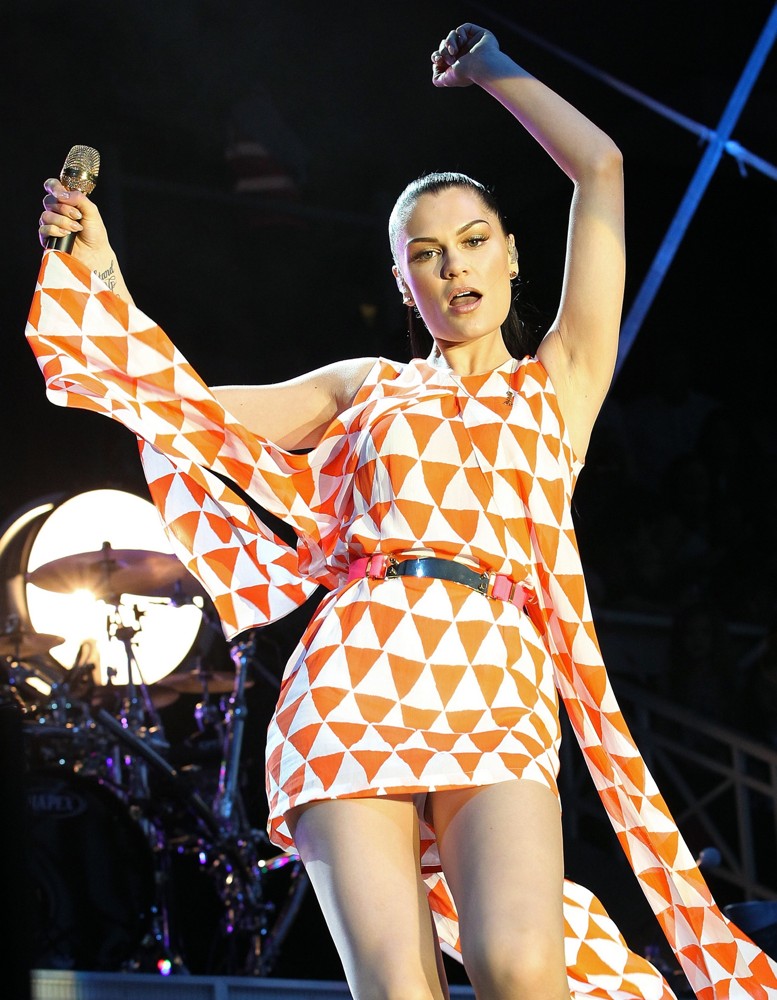
Jessie J
Jessie J Performs at The Newmarket Race Course
Aug 17, 2012
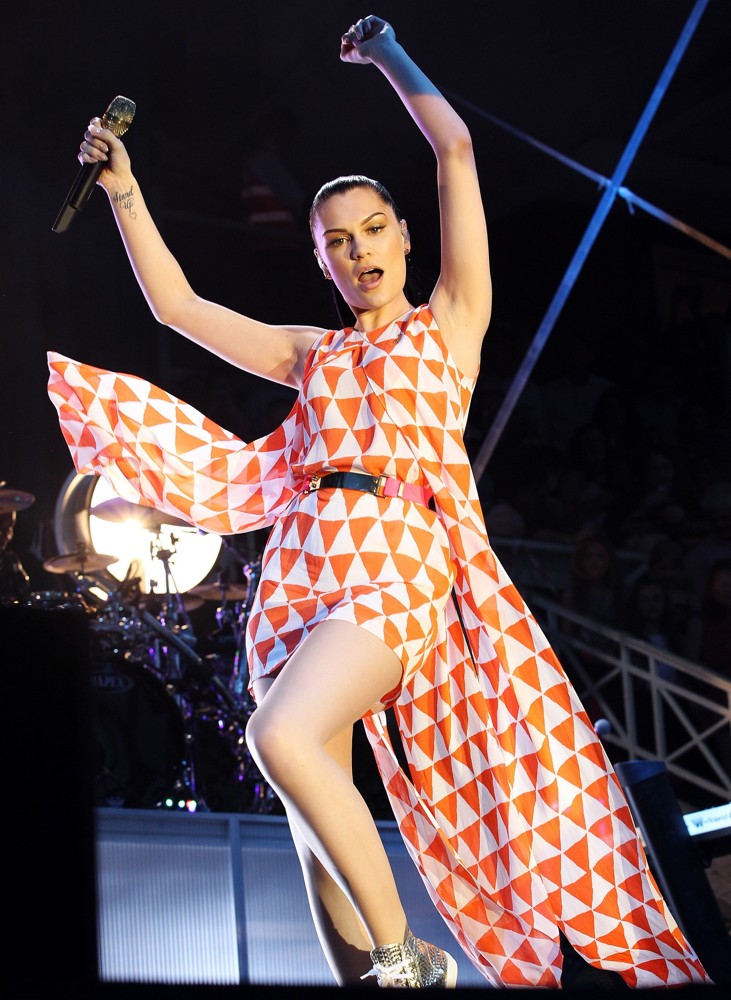
Jessie J
Jessie J Performs at The Newmarket Race Course
Aug 17, 2012
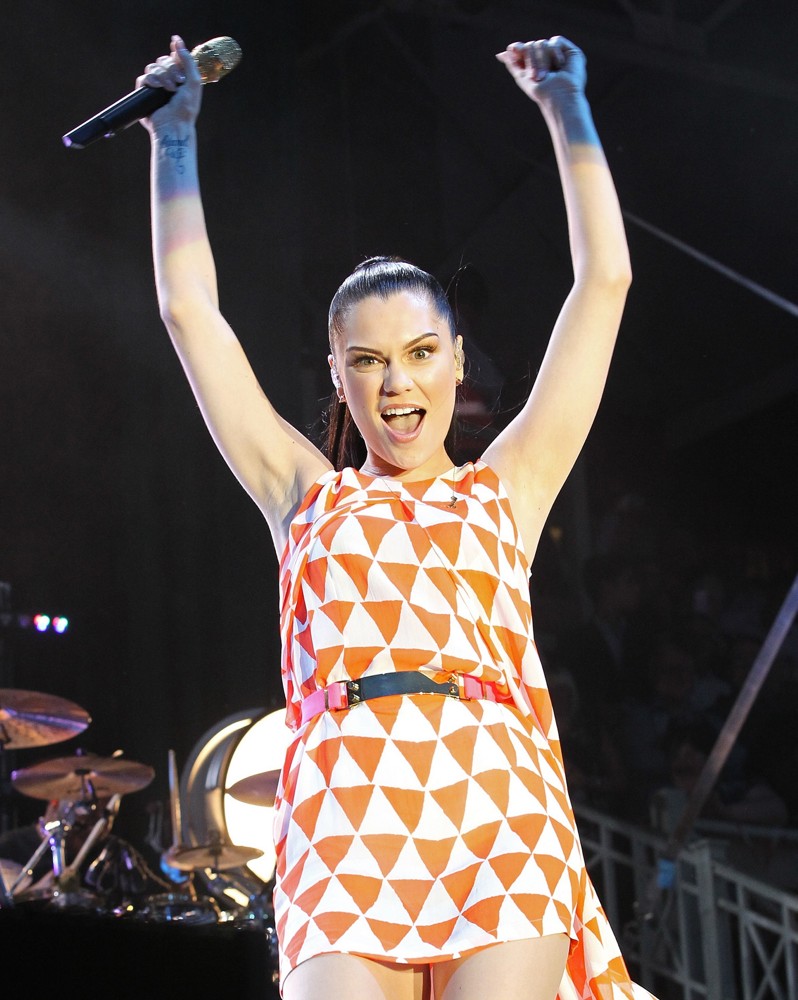
Jessie J
Jessie J Performs at The Newmarket Race Course
Aug 17, 2012
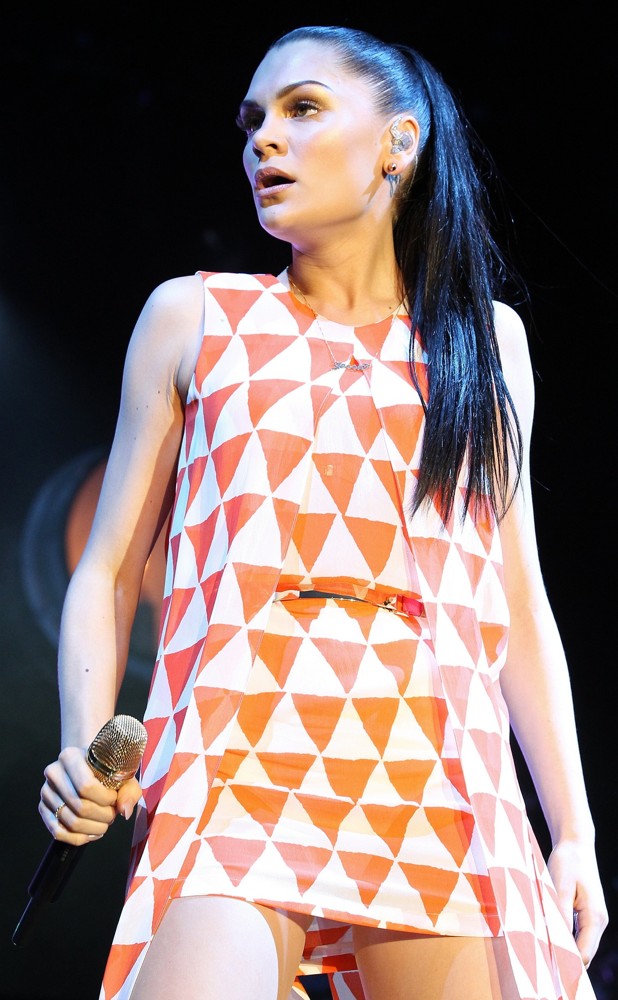
Jessie J
Jessie J Performs at The Newmarket Race Course
Aug 17, 2012
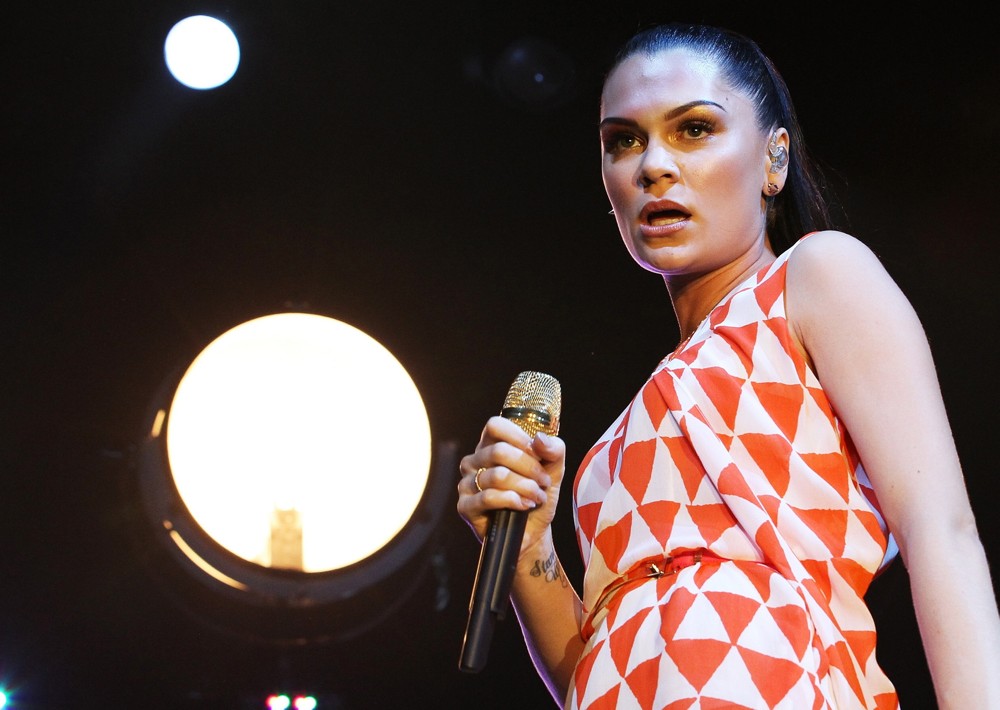
Jessie J
Jessie J Performs at The Newmarket Race Course
Aug 17, 2012





⭐Featured Celebrities