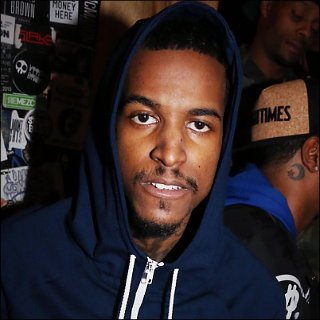
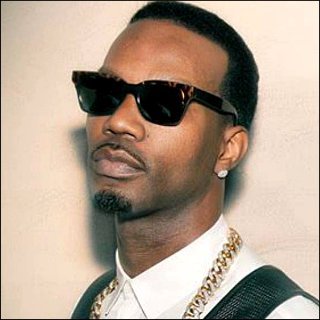
 Emerging from the intense crucible of Chicago's drill music scene, Lil Reese, born Tavares Lamont Taylor, became a pivotal figure in the early 2010s wave that brought the city's raw sound to national prominence. His career, marked by a meteoric rise and subsequent legal troubles, is inextricably linked to his collaboration on one of the genre's defining anthems. As a rapper and songwriter, his gritty delivery and unflinching lyrics captured the attention of a generation, though his path would later diverge sharply into the judicial system.
Born on January 6, 1993, in Chicago, Illinois, Taylor's early life was shaped by the environment that would later fuel his music. He found his entry into the burgeoning drill scene through a connection with its most explosive star, Chief Keef. His claim to fame arrived swiftly in 2012 with a guest verse on Chief Keef's incendiary single "I Don't Like." The track, which peaked at number 73 on the Billboard Hot 100 and received a high-profile remix featuring Kanye West and Pusha T, served as a national introduction to Chicago drill. Capitalizing on this momentum, Lil Reese released his debut mixtape, Don't Like, later that same year, further cementing his status within the movement.
Throughout the following years, Lil Reese continued to build his catalog, releasing several extended plays and maintaining a presence in the collaborative world of Chicago hip-hop. A significant later project was the 2017 collaborative EP Supa Vultures with fellow Chicago native Lil Durk, showcasing his continued relevance within the evolving scene. His musical output, however, became increasingly overshadowed by a series of legal issues and violent incidents, both as a victim and a perpetrator, which were widely publicized.
In March 2022, Lil Reese was convicted of aggravated assault for strangling his girlfriend. This conviction led to a sentencing in October 2024, where he received a five-year prison term. He is currently incarcerated at the Garza West Unit in Texas. With a scheduled release date in February 2029, he will be eligible for parole in 2026. His incarceration marks a stark chapter in a life and career that began with the explosive energy of "I Don't Like," leaving a complex legacy within the narrative of Chicago drill music.
⭐
Similar Celebrities



⭐Featured Celebrities