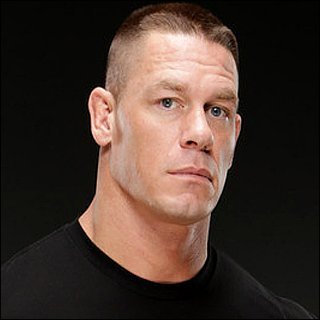
Justin Pierre James Trudeau, born December 25, 1971, in Ottawa, Ontario, stands as one of the most consequential and polarizing figures in modern Canadian political history. As the 23rd prime minister of Canada, serving from 2015 to 2025, he led the country through a transformative decade marked by progressive social legislation, global crises, and significant political controversy. The eldest son of the late Prime Minister Pierre Trudeau, he made history as the first Canadian prime minister to be the child of a previous prime minister, a lineage that shaped both his public persona and his political journey.
Trudeau's early life was steeped in the rarefied atmosphere of political power, but his path to leadership was unconventional. He attended Collège Jean-de-Brébeuf, the same elite Montreal institution as his father, before earning a Bachelor of Arts degree in English from McGill University and a Bachelor of Education degree from the University of British Columbia. For several years, he worked as a secondary school teacher in Vancouver, a profession that grounded him in community engagement before he returned to Montreal in 2002. His foray into public service began through youth-focused initiatives, serving as chair of the youth charity Katimavik from 2002 to 2006 and later chairing the Liberal Party's Task Force on Youth Renewal. In the 2008 federal election, Trudeau won the Montreal riding of Papineau, entering the House of Commons as a rising star within a Liberal Party that had fallen to third-party status. His ascent was rapid; he held various critic roles, including for youth and multiculturalism, before decisively winning the Liberal Party leadership in 2013. The 2015 federal election proved historic, as Trudeau led his party from third place to a sweeping majority government, achieving the largest numerical increase in seats in Canadian electoral history and becoming, at 43, the second-youngest prime minister in the nation's history.
Trudeau's first mandate was defined by an ambitious progressive agenda that reshaped Canadian social policy. His government introduced the Canada Child Benefit, legalized medical assistance in dying, and famously legalized recreational cannabis in 2018, a landmark move that set Canada apart internationally. He pursued Senate reform through an independent advisory board and implemented a federal carbon tax aimed at combating climate change. On the world stage, Trudeau's government resettled tens of thousands of Syrian refugees, signed the Paris Agreement, and negotiated major trade deals including the Canada-United States-Mexico Agreement (CUSMA) and the Comprehensive and Progressive Agreement for Trans-Pacific Partnership (CPTPP). However, his tenure was also marred by ethical controversies, including two findings of conflict of interest violations by the ethics commissioner—first in the Aga Khan affair and later in the SNC-Lavalin affair—which cast a shadow over his administration's integrity.
Following his re-election with minority governments in 2019 and 2021, Trudeau's leadership was tested by unprecedented challenges. He steered Canada through the COVID-19 pandemic, launching extensive financial aid measures, a nationwide vaccination campaign, and military support for hard-hit regions. His government banned "assault-style" weapons after the 2020 Nova Scotia attacks and introduced a national $10-a-day child care program, alongside a school food program. In 2022, he made history by invoking the Emergencies Act for the first time in Canadian history to quell the Freedom Convoy protests, a decision later ruled unreasonable by the Federal Court. Internationally, he took a firm stance against Russia's invasion of Ukraine, imposing sanctions and authorizing substantial humanitarian and military aid. His premiership drew to a close amid a trade war with the United States, to which he responded with retaliatory tariffs on billions of dollars of U.S. goods. After a steady decline in popular support, the sudden resignation of Deputy Prime Minister Chrystia Freeland in December 2024 triggered a political crisis that led Trudeau to announce his resignation in January 2025. He prorogued Parliament, remained as Liberal leader until Mark Carney was elected his successor on March 9, and resigned as prime minister five days later, ending his political career as an MP at the 2025 federal election. His decade in power leaves a complex legacy of bold policy achievements, institutional innovation, and deep partisan division.
⭐
Similar Celebrities


📷
Recent Photos
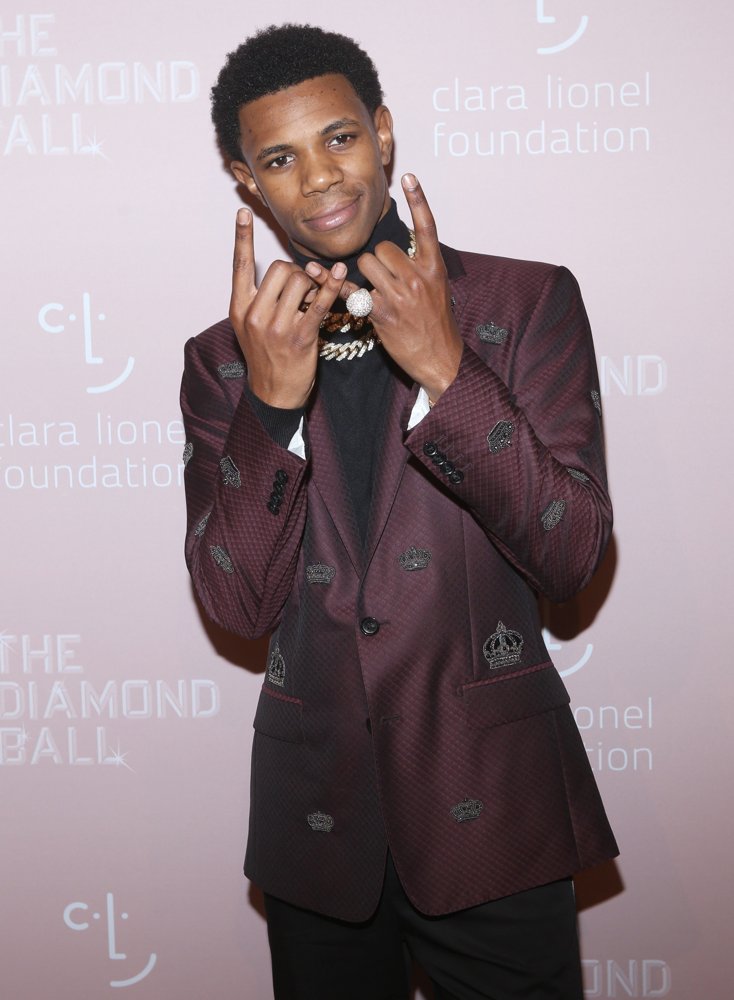
A Boogie Wit Da Hoodie
Rihanna's 4th Annual Diamond Ball
Sep 13, 2018
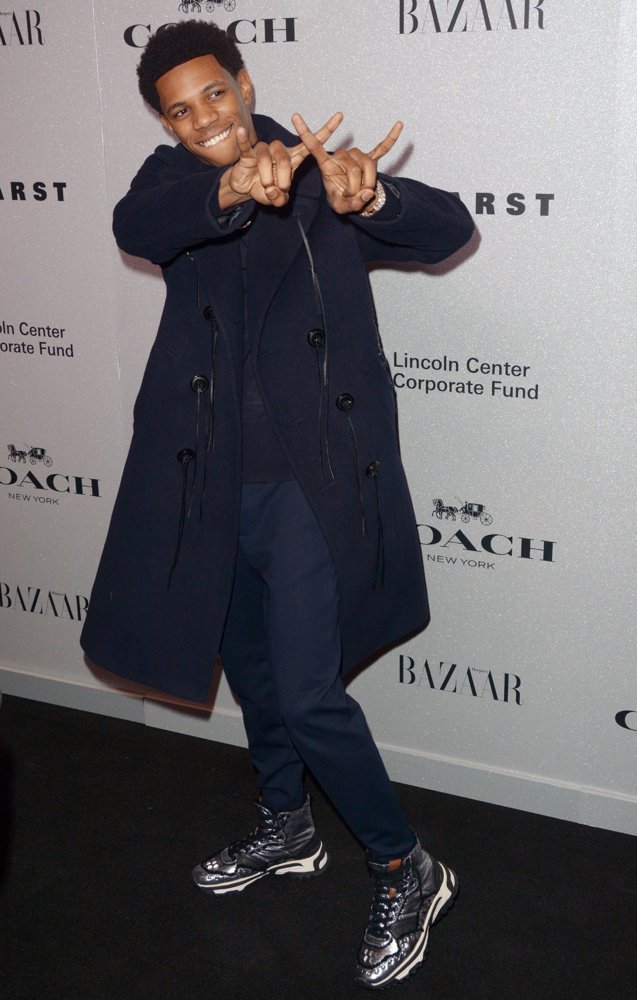
A Boogie Wit Da Hoodie
Lincoln Center Fashion Gala - An Evening Honoring Coach
Nov 29, 2018
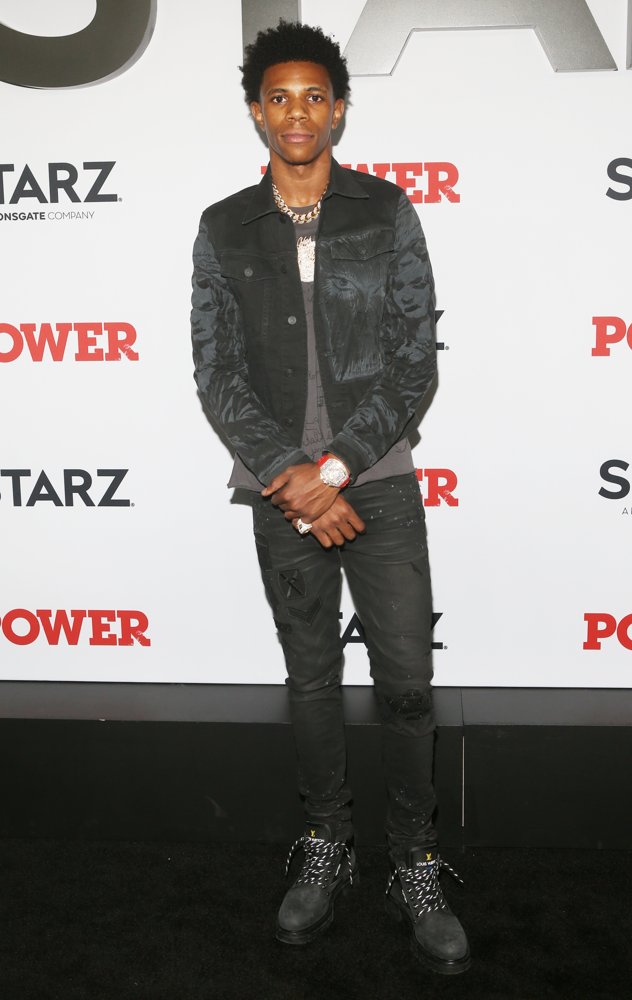
A Boogie Wit Da Hoodie
STARZ Red Carpet Event for Power Final Season World Premiere
Aug 20, 2019
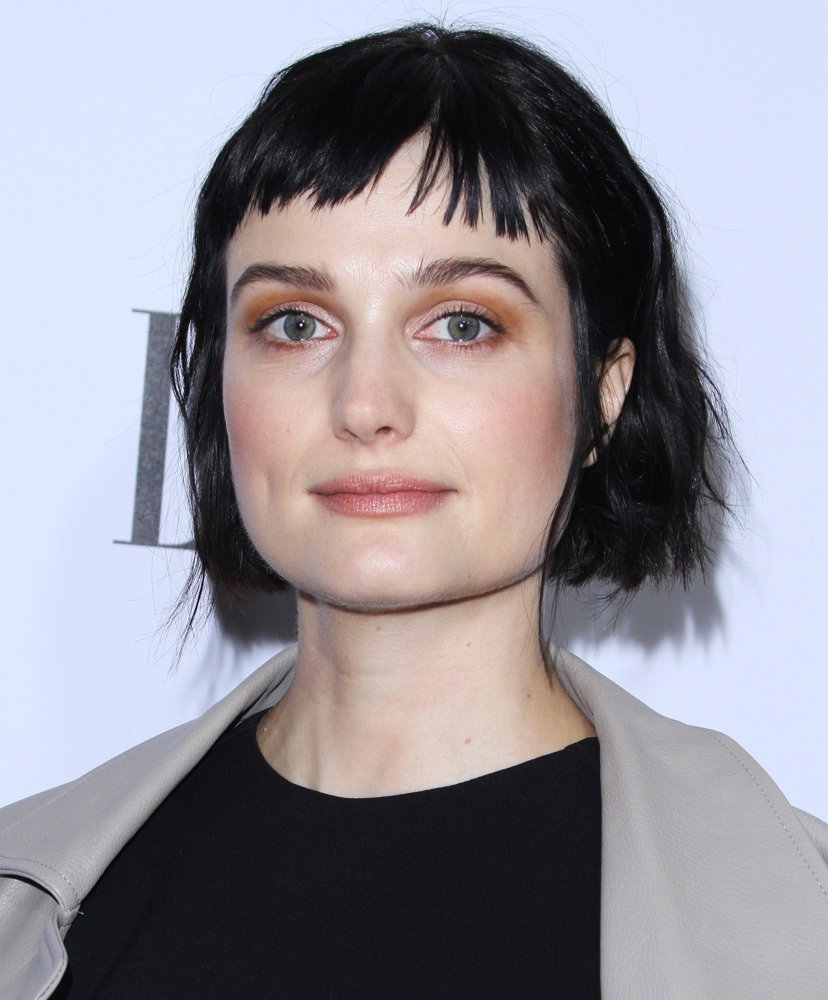
A Fine Frenzy
2015 Elle Women in TV Event - Arrivals
Jan 13, 2015
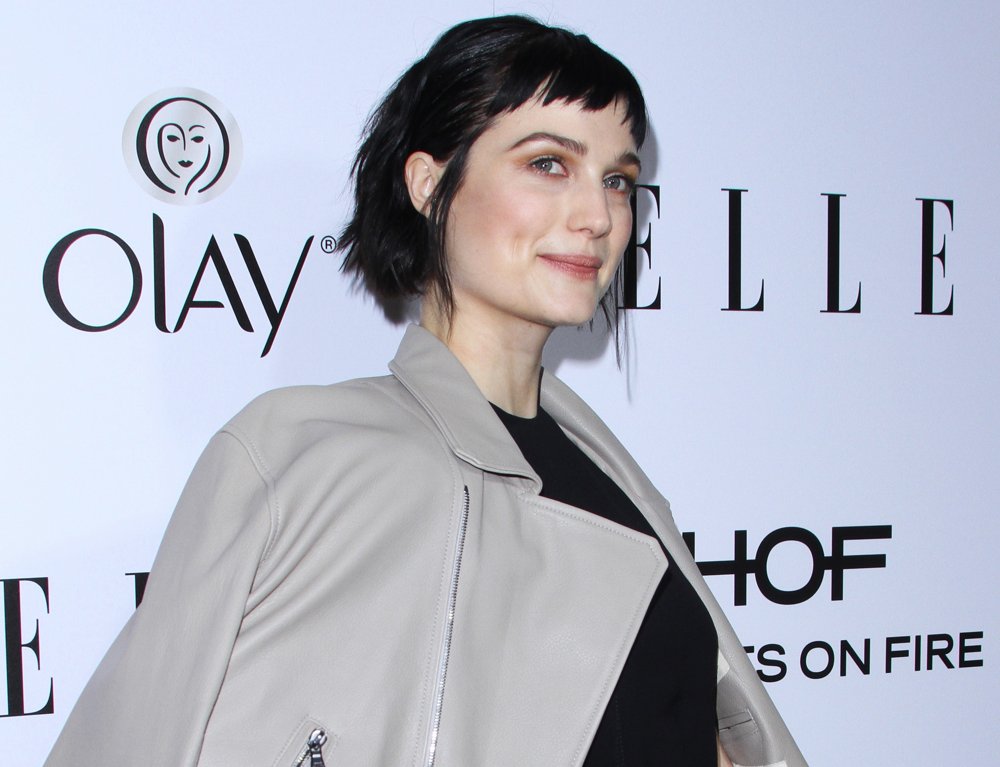
A Fine Frenzy
2015 Elle Women in TV Event - Arrivals
Jan 13, 2015

A Fine Frenzy
2016 CinemaCon Warner Bros Pictures - Day 2 - Red Carpet Arrivals
Apr 12, 2016




⭐Featured Celebrities