Julian Paul Assange, born Julian Paul Hawkins on 3 July 1971 in Townsville, Australia, is a figure whose life has been defined by a relentless and controversial pursuit of transparency. As the founder and editor of WikiLeaks, he has been alternately hailed as a champion of press freedom and condemned as a dangerous subversive. His journey from a nomadic childhood in Australia to the center of international legal and political storms has made him one of the most polarizing figures of the digital age. Raised in various locations across Australia before his family settled in Melbourne during his teenage years, Assange developed an early fascination with computers, which led him into the world of hacking. This path resulted in a conviction for hacking in 1996, a formative experience that preceded his later work as a programmer and publisher.
In 2006, Assange founded WikiLeaks, a non-profit organization dedicated to publishing classified and sensitive information from anonymous sources. The platform initially gained attention with publications such as the Bank Julius Baer documents and footage from the 2008 Tibetan unrest. However, it was in 2010 that Assange and WikiLeaks achieved global prominence. In collaboration with Chelsea Manning, a U.S. Army intelligence analyst, WikiLeaks released a series of explosive leaks, including the "Collateral Murder" video showing a U.S. airstrike in Baghdad, extensive military logs from the Afghanistan and Iraq wars, and a trove of U.S. diplomatic cables. These publications earned Assange numerous awards for journalism and publishing, while simultaneously igniting fierce debate over the ethics of such disclosures.
The fallout from these leaks was immediate and profound. In November 2010, Swedish authorities sought to question Assange in connection with a sexual assault investigation, leading to an extradition request from the UK. In June 2012, after exhausting his appeals, Assange breached his bail and sought refuge in the Embassy of Ecuador in London, where he was granted political asylum in August of that year. During his seven-year confinement within the embassy, he continued to lead WikiLeaks, launching the WikiLeaks Party and running unsuccessfully for the Australian Senate in 2013. The organization remained active, publishing confidential Democratic Party emails during the 2016 U.S. presidential election and, in 2017, releasing a cache of documents detailing the CIA's hacking tools, which reportedly led senior intelligence officials to discuss extreme measures against him.
Assange's time in the embassy came to an abrupt end on 11 April 2019, when Ecuador withdrew his asylum status following a series of disputes. He was arrested by British police and subsequently sentenced to 50 weeks in prison for breaching his bail. The U.S. government simultaneously unsealed an indictment charging him with conspiracy to commit computer intrusion, later adding charges under the Espionage Act of 1917. His imprisonment at HM Prison Belmarsh became a focal point for debates on press freedom, with critics arguing the charges set a dangerous precedent for investigative journalism. The case took another turn when a key U.S. witness admitted in 2021 to fabricating testimony, further complicating the proceedings.
After years of legal battles, a resolution emerged in 2024. Following a High Court ruling that granted him a full appeal, Assange negotiated a plea deal with U.S. prosecutors. He pleaded guilty in Saipan, Northern Mariana Islands, to a single charge of conspiring to obtain and disclose classified national defense documents, receiving a sentence of time served. On 26 June 2024, he flew to Australia, finally free after over a decade of legal limbo and incarceration. His release marked the end of an extraordinary saga, leaving a complex legacy that continues to provoke strong opinions on both sides of the transparency debate.
⭐
Similar Celebrities

📷
Recent Photos
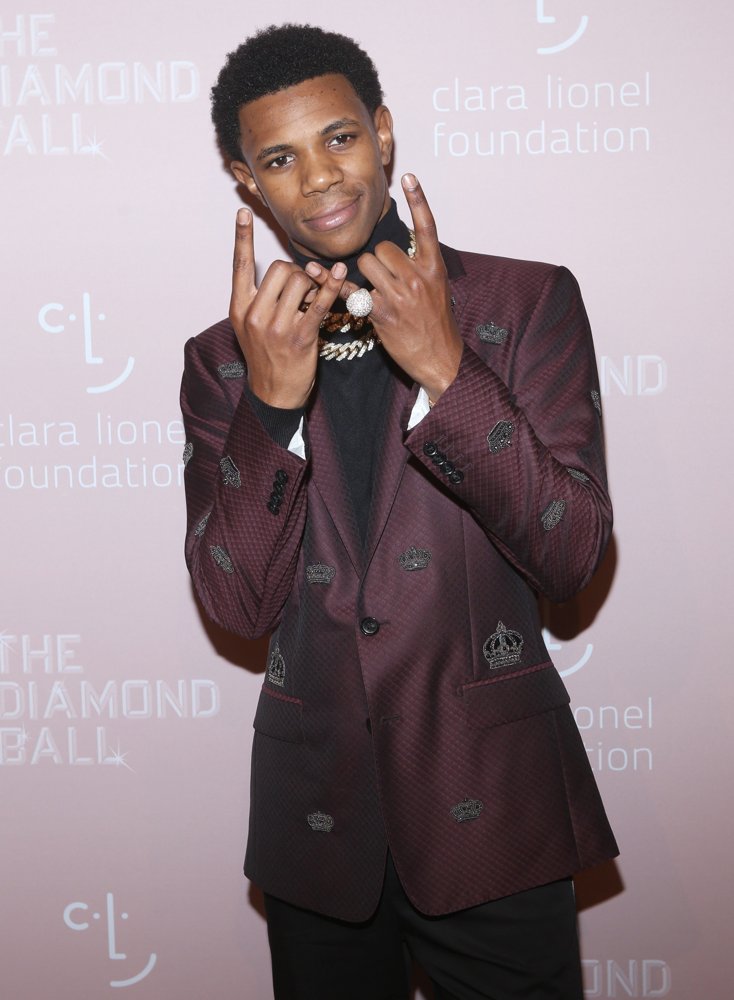
A Boogie Wit Da Hoodie
Rihanna's 4th Annual Diamond Ball
Sep 13, 2018
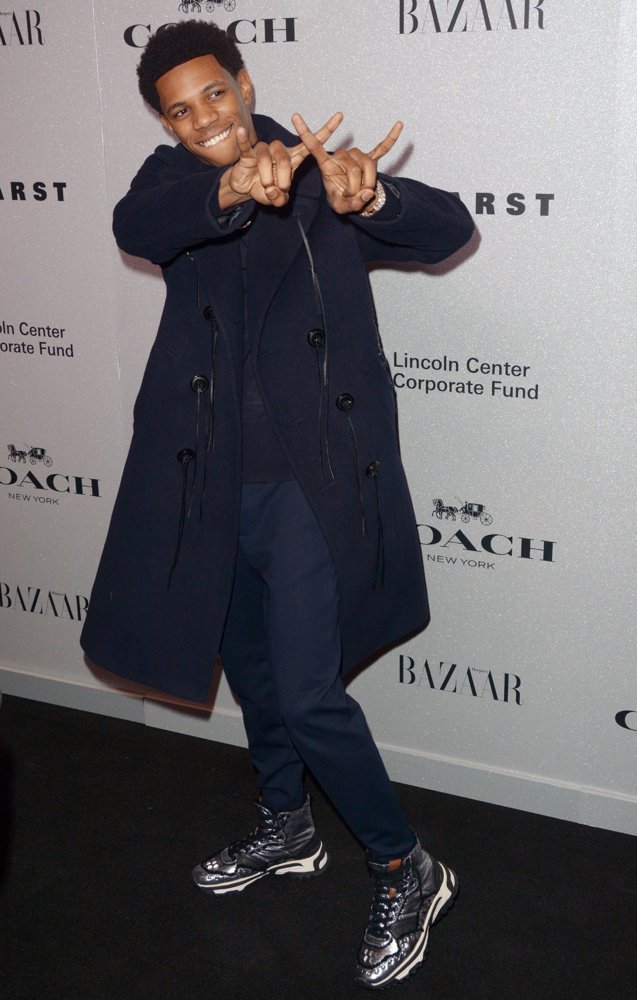
A Boogie Wit Da Hoodie
Lincoln Center Fashion Gala - An Evening Honoring Coach
Nov 29, 2018
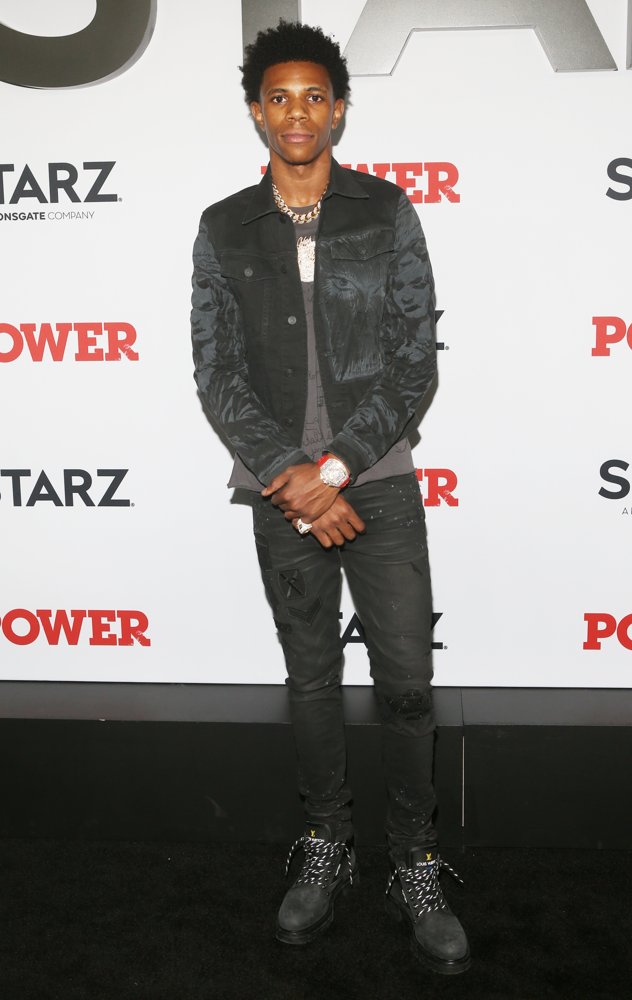
A Boogie Wit Da Hoodie
STARZ Red Carpet Event for Power Final Season World Premiere
Aug 20, 2019
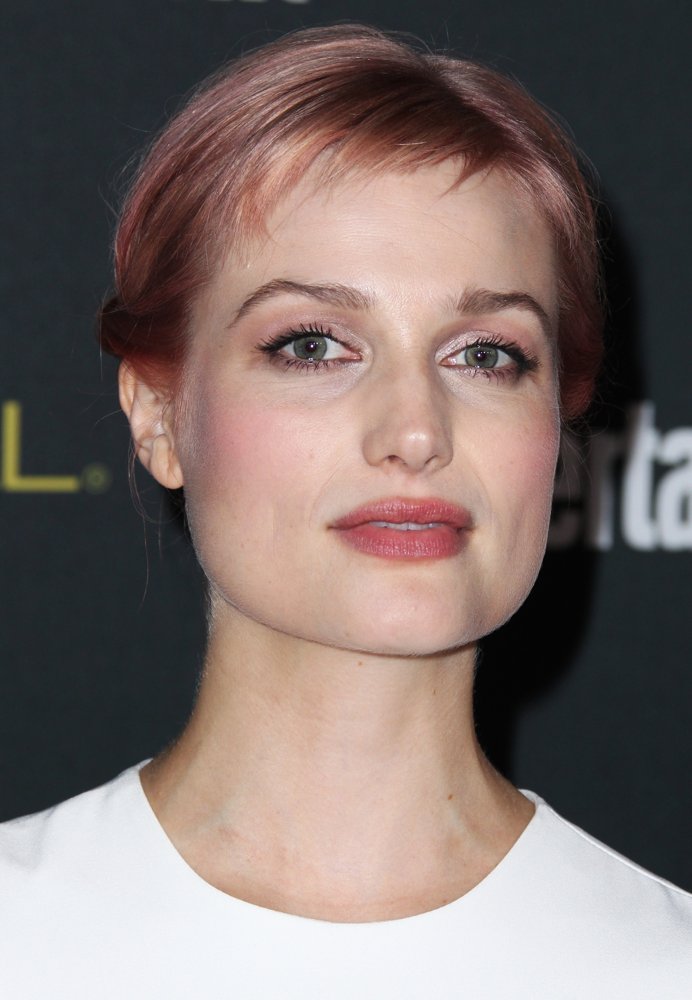
A Fine Frenzy
2014 Entertainment Weekly Pre-Emmy Party - Arrivals
Aug 23, 2014
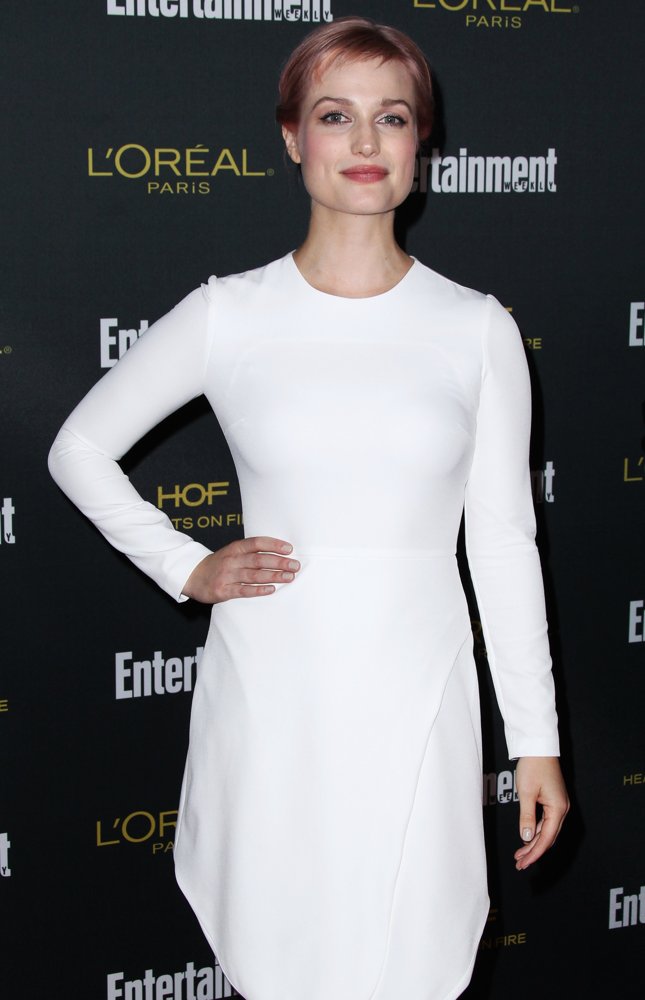
A Fine Frenzy
2014 Entertainment Weekly Pre-Emmy Party - Arrivals
Aug 23, 2014
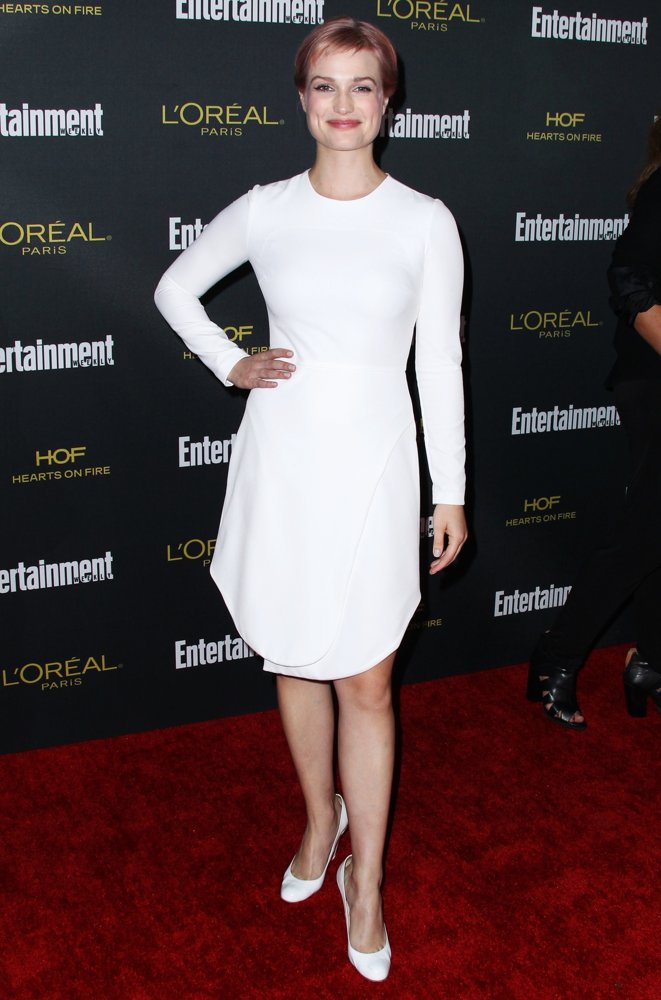
A Fine Frenzy
2014 Entertainment Weekly Pre-Emmy Party - Arrivals
Aug 23, 2014




⭐Featured Celebrities