John Towner Williams, born on February 8, 1932, stands as one of the most influential and celebrated composers in the history of cinema. Over a career spanning more than seven decades, he has crafted some of the most recognizable and beloved film scores ever written, blending lush romanticism and impressionistic textures with masterful orchestration. His profound collaborations with directors George Lucas and Steven Spielberg have not only defined their iconic films but have also shaped the sound of modern Hollywood. With a staggering 54 Academy Award nominations, Williams is the second-most nominated individual in the award's history, trailing only Walt Disney, and he holds the distinction of being the oldest nominee in any category, earning a nomination at 91 years old.
Born in Floral Park, New York, Williams's early life was steeped in music. His father was a jazz percussionist, and the family eventually moved to Los Angeles, where Williams attended North Hollywood High School and later studied composition privately. After a stint in the U.S. Air Force, during which he conducted and arranged music, he moved to New York City to study piano at the Juilliard School. His early career saw him working as a jazz pianist and session musician in Hollywood, working with legendary composers like Jerry Goldsmith and Alfred Newman. His first film scores included None but the Brave (1965) and Valley of the Dolls (1967), but his breakthrough came with his adaptation of Fiddler on the Roof in 1971, which won him his first Academy Award.
The mid-1970s marked a turning point in Williams's career. His thrilling, minimalist-driven score for Steven Spielberg's Jaws (1975) became a cultural phenomenon, earning him his second Oscar and cementing his reputation for creating music that is as integral to the narrative as the visuals. This partnership with Spielberg, beginning with The Sugarland Express (1974), has become one of the most fruitful in film history, producing unforgettable scores for Close Encounters of the Third Kind (1977), Raiders of the Lost Ark (1981), Jurassic Park (1993), Saving Private Ryan (1998), Catch Me If You Can (2002), Lincoln (2012), and The Fabelmans (2022). In 1977, his epic, symphonic score for George Lucas's Star Wars redefined the sound of science fiction and earned him a third Oscar, with the main title theme becoming one of the most recognized pieces of music in the world.
Beyond his work with Spielberg and Lucas, Williams has composed scores for a remarkable range of films, including Superman (1978), the first two Home Alone films (1990–1992), and the first three Harry Potter films (2001–2004). His emotional and hauntingly beautiful score for Spielberg's Schindler's List (1993) won him his fifth Academy Award and is considered a masterpiece of film music. Outside of cinema, Williams served as the principal conductor of the Boston Pops Orchestra from 1980 to 1993, a role he embraced with characteristic enthusiasm. He has also composed numerous classical concertos and thematic works, including the official theme for the 1984 Summer Olympics and "The Mission" theme used by NBC News and PBS's Great Performances.
Williams's legacy is marked by an extraordinary collection of accolades, including 27 Grammy Awards, five Academy Awards, seven BAFTA Awards, three Emmy Awards, and four Golden Globe Awards. He has received the Kennedy Center Honor, the National Medal of the Arts, and the AFI Life Achievement Award, and in 2022, he was awarded an honorary knighthood by Queen Elizabeth II for his services to film music. His scores for Jaws, E.T. the Extra-Terrestrial, and Star Wars were recognized by the American Film Institute as among the greatest in cinema history, with Star Wars taking the top spot. In 2024, his remarkable career was chronicled in the Disney+ documentary Music by John Williams, ensuring that his monumental contributions to music and film will continue to inspire generations to come.
⭐
Similar Celebrities
📷
Recent Photos
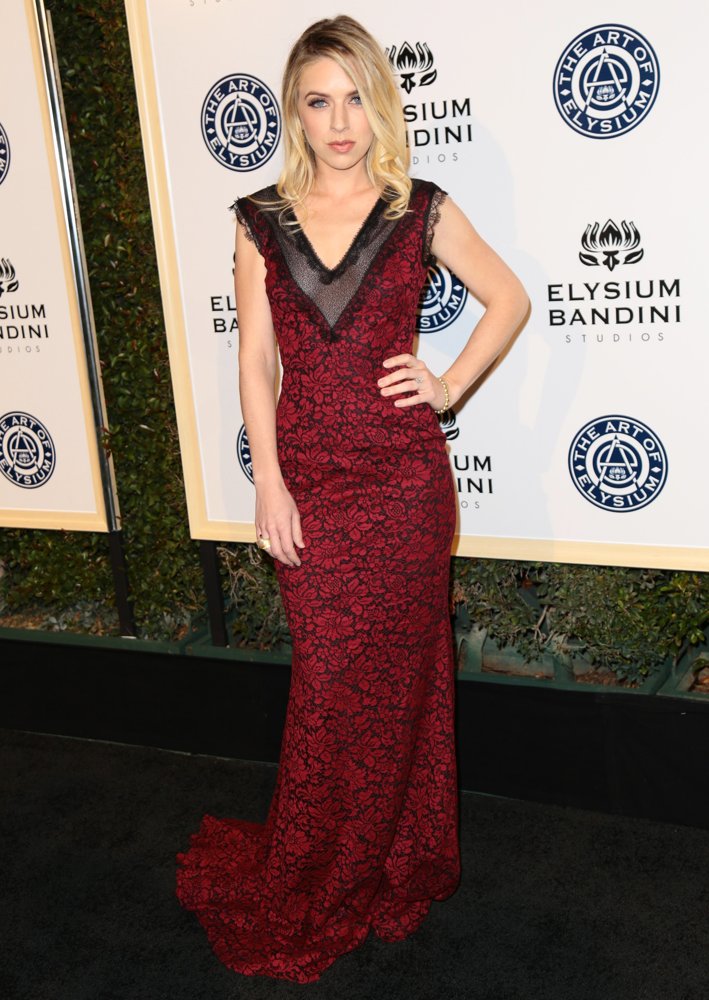
ZZ Ward
The Art of Elysium Presents Stevie Wonder's HEAVEN - Celebrating The 10th Anniversary
Jan 7, 2017

ZZ Ward
56th GRAMMY Awards - P and E Wing Event Honoring Neil Young
Jan 21, 2014
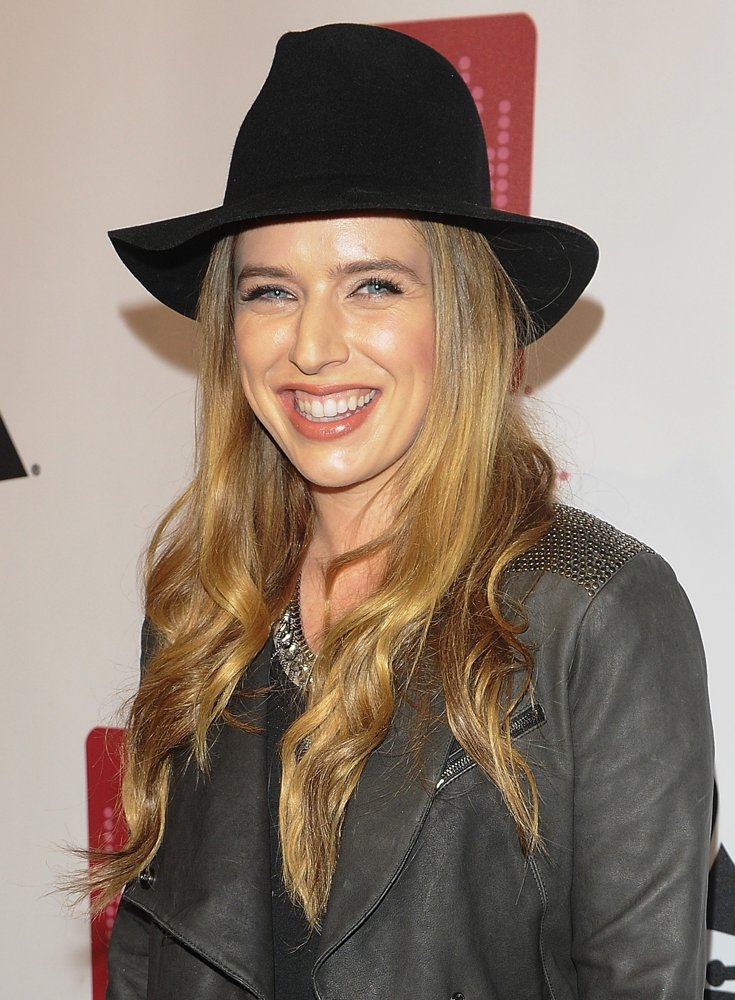
ZZ Ward
56th GRAMMY Awards - P and E Wing Event Honoring Neil Young
Jan 21, 2014
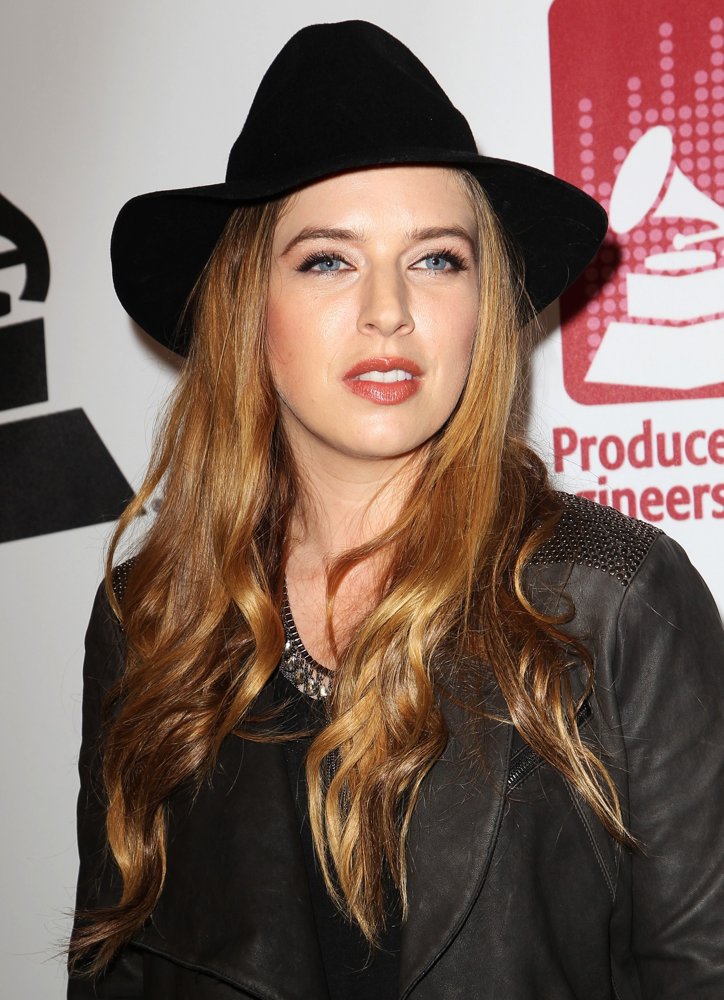
ZZ Ward
56th GRAMMY Awards - P and E Wing Event Honoring Neil Young
Jan 21, 2014
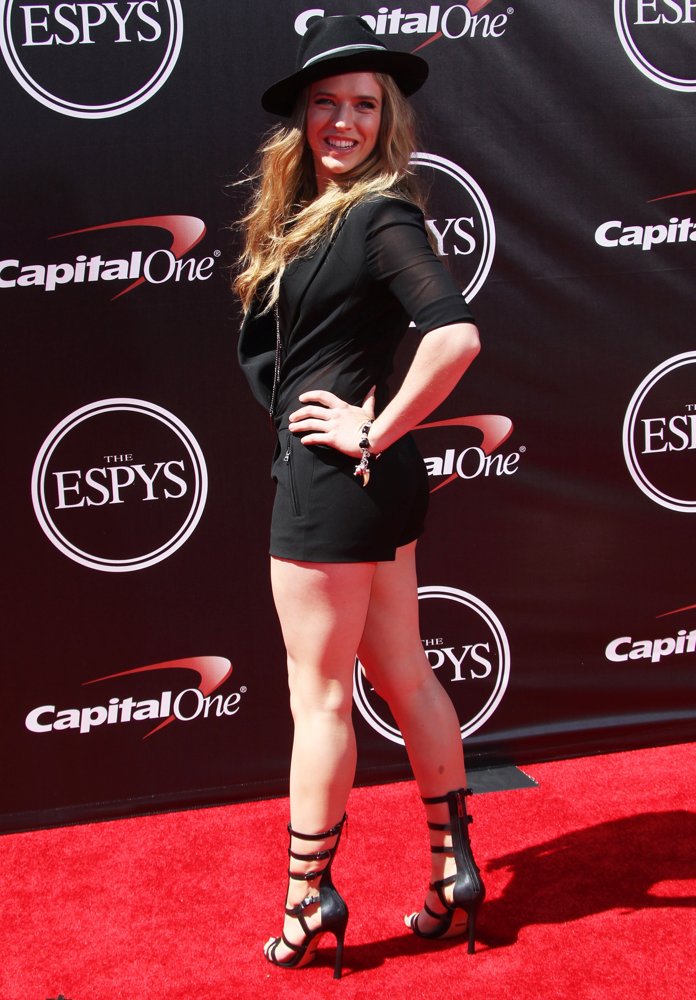
ZZ Ward
2014 ESPYS Awards - Arrivals
Jul 16, 2014
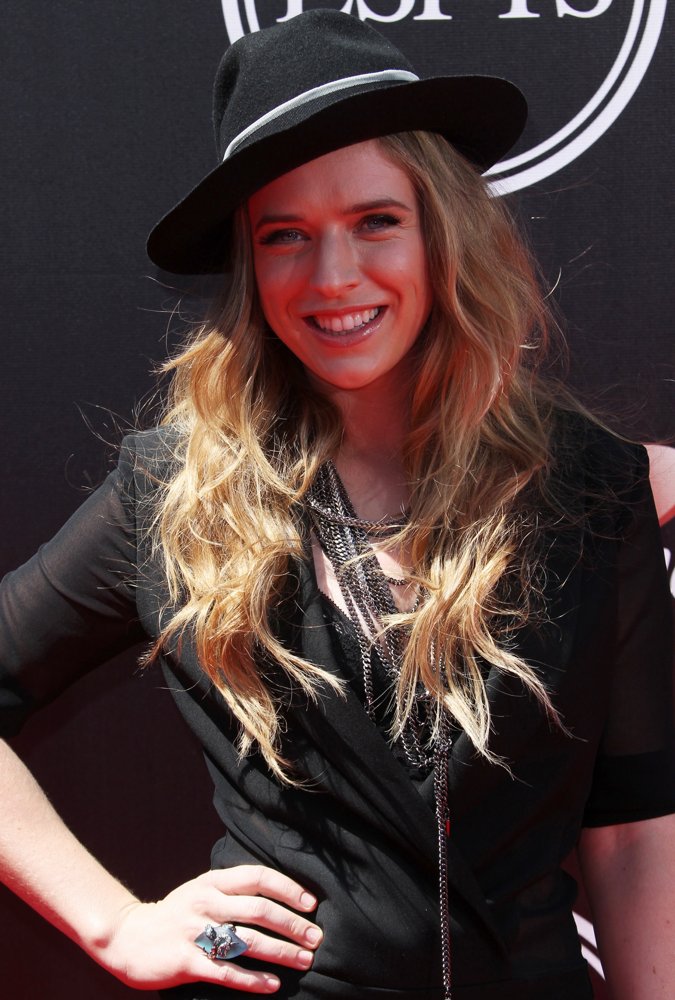
ZZ Ward
2014 ESPYS Awards - Arrivals
Jul 16, 2014

⭐Featured Celebrities