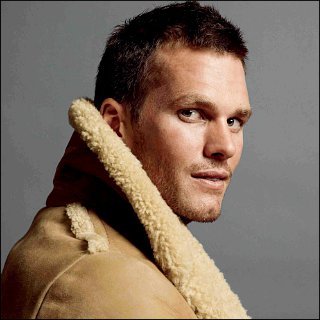
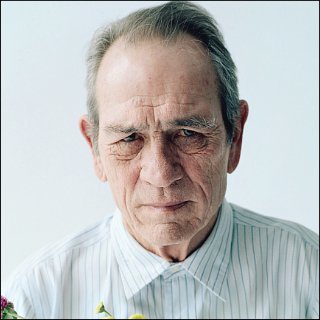
John Charles Greenway Irvin, a distinguished English film and television director, left an indelible mark on the industry through a career that spanned over four decades. Born on May 7, 1940, Irvin earned a reputation as a versatile and meticulous filmmaker, receiving three BAFTA Award nominations for his work. He passed away on August 11, 2026, leaving behind a legacy defined by his powerful storytelling and his ability to navigate both the intimate scale of television and the grand spectacle of Hollywood cinema.
Irvin's career began in the documentary and television realms, where he honed his craft and developed a sharp visual sensibility. His early work in this period was foundational, but the major turning point came with his direction of the acclaimed BBC adaptation of John le Carré's Tinker Tailor Soldier Spy. This landmark television series, celebrated for its intricate plotting and atmospheric tension, showcased Irvin's mastery over complex narratives and his skill at drawing nuanced performances from his actors, firmly establishing him as a director of significant prestige in the United Kingdom.
This success propelled him into the world of feature films, where he became a notable figure during the cinematic landscape of the 1980s. His Hollywood debut, The Dogs of War (1980), was a gritty and politically charged mercenary thriller that demonstrated his ability to handle large-scale action with a realistic edge. He followed this with the supernatural horror Ghost Story (1981), a film that highlighted his talent for creating mood and suspense. Irvin continued to demonstrate his range by directing Arnold Schwarzenegger in the action thriller Raw Deal (1986), before delivering what is arguably his most celebrated work, the visceral and harrowing Vietnam War film Hamburger Hill (1987). This movie, praised for its unflinching realism and its focus on the soldiers' experience, cemented his reputation as a director capable of handling powerful and challenging subject matter.
Throughout his later career, Irvin remained active, directing a steady stream of feature films and television movies that kept him in high demand. He worked consistently across genres, from action and war to thrillers and crime dramas, proving his adaptability and his commitment to the craft of directing. His filmography from this period includes a variety of projects that continued to explore themes of conflict and morality, showcasing his enduring interest in character-driven stories set against larger backdrops. His body of work remains a testament to a filmmaker who bridged the gap between the intellectual rigor of British television and the commercial appeal of American cinema, and he is remembered as a consummate professional whose work influenced a generation of directors.
⭐
Similar Celebrities


📷
Recent Photos
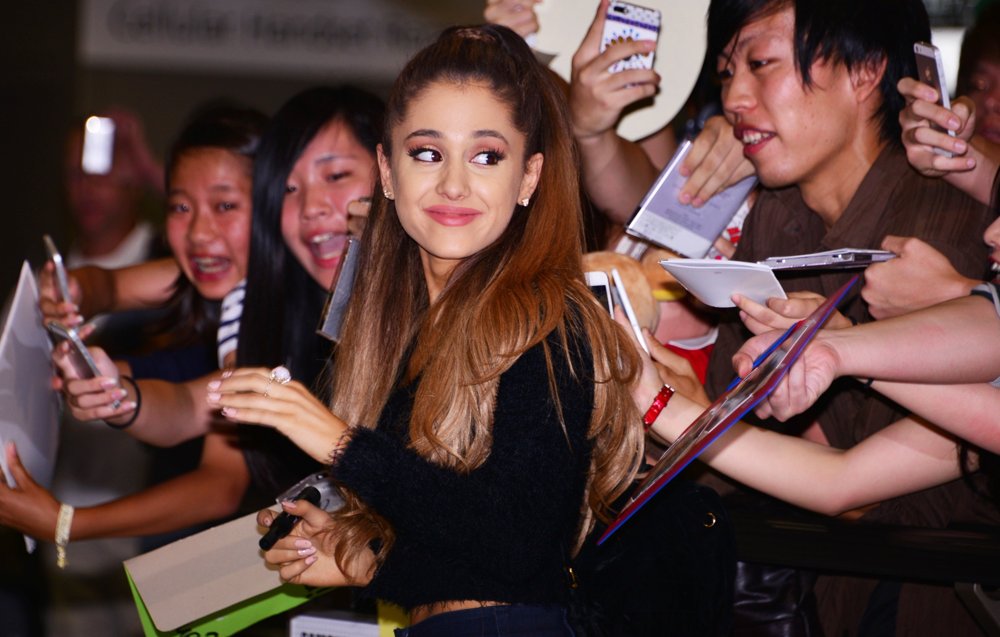
Ariana Grande
Ariana Grande Mobbed by Fans as She Arrives at Narita Airport
Sep 16, 2014

Ariana Grande
Ariana Grande Mobbed by Fans as She Arrives at Narita Airport
Sep 16, 2014
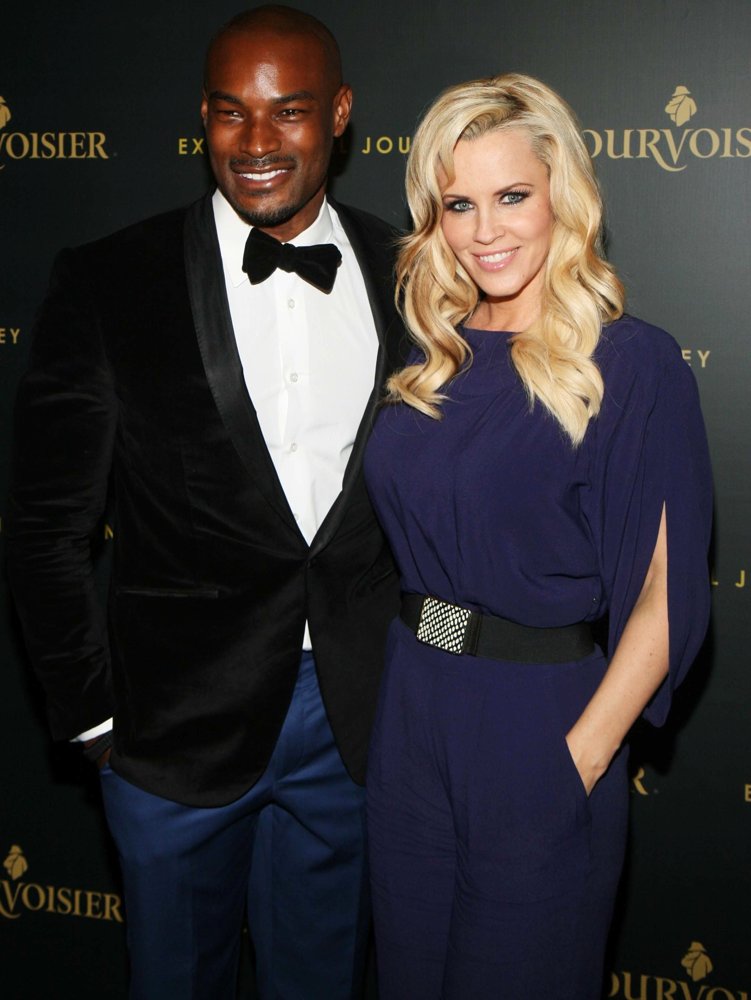
Tyson Beckford
Courvoisier Launches Exceptional Journey Campaign with Tyson Beckford
Sep 16, 2014
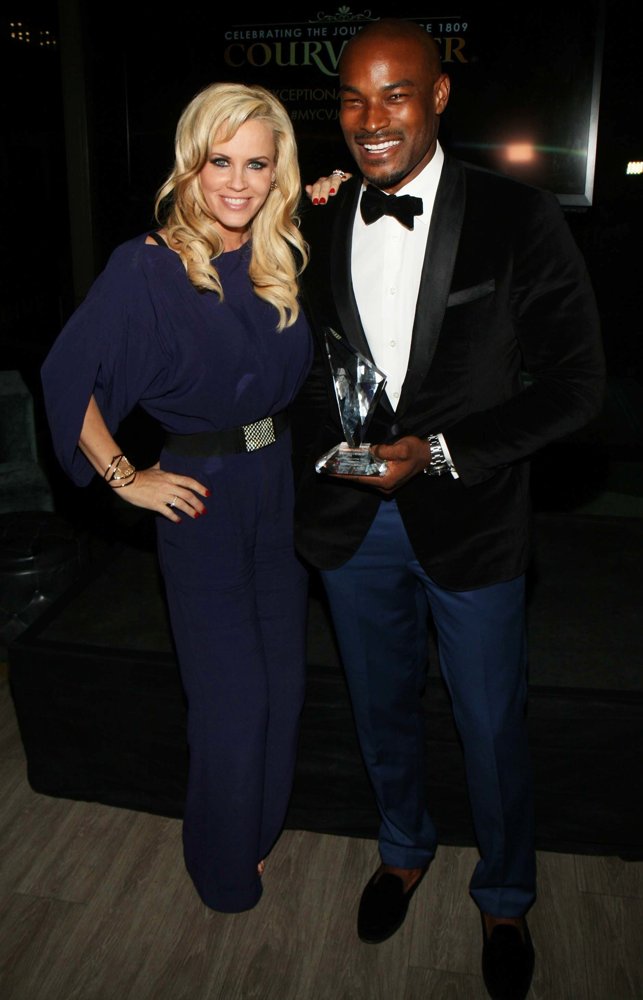
Jenny McCarthy
Courvoisier Launches Exceptional Journey Campaign with Tyson Beckford
Sep 16, 2014
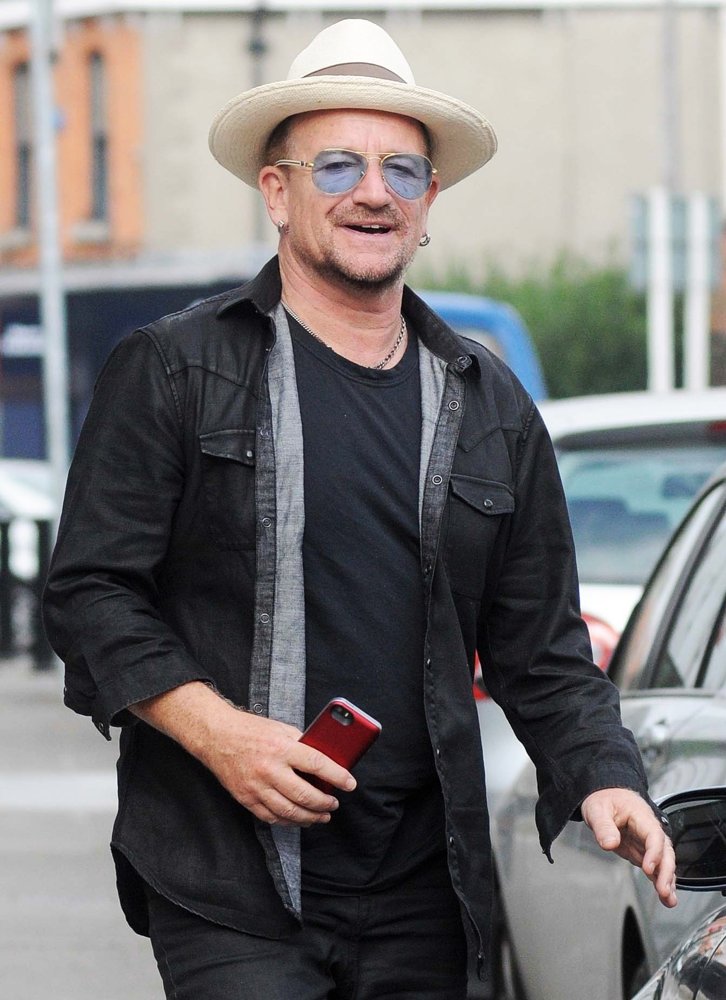
Bono
Bono Spotted Walking to His Car in Ballsbridge
Sep 16, 2014
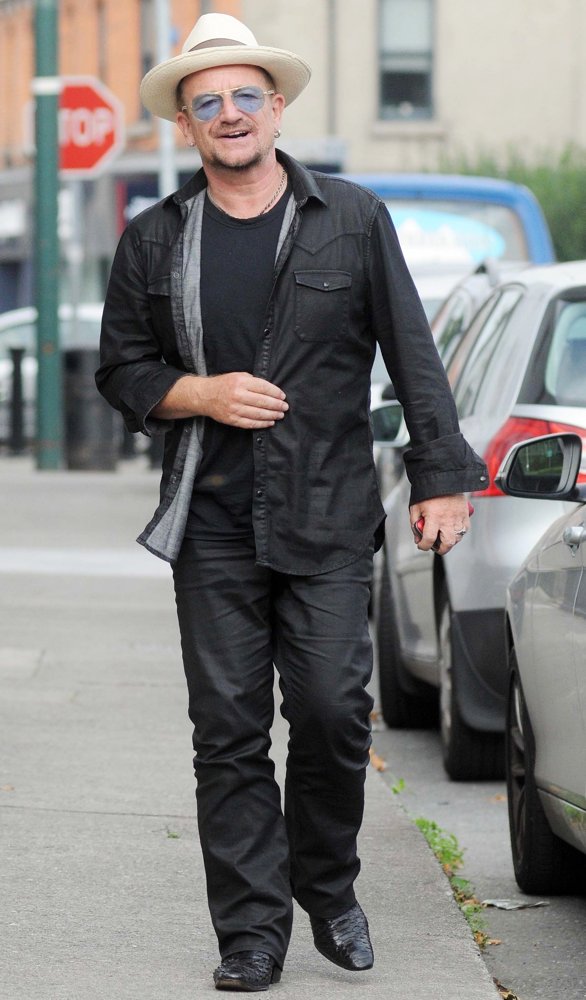
Bono
Bono Spotted Walking to His Car in Ballsbridge
Sep 16, 2014




⭐Featured Celebrities