Joseph Robinette Biden Jr., born on November 20, 1942, in Scranton, Pennsylvania, stands as one of the most consequential figures in modern American political history, having served as the 46th president of the United States from 2021 to 2025 after a remarkable career spanning over five decades in public office. Before reaching the Oval Office, Biden represented Delaware in the U.S. Senate for an extraordinary 36 years, from 1973 to 2009, and served as the 47th vice president under Barack Obama from 2009 to 2017, establishing himself as a seasoned legislator and trusted advisor on the national stage.
Biden’s path to political prominence began after graduating from the University of Delaware in 1965 and earning his law degree from Syracuse University College of Law in 1968. He entered public service with his election to the New Castle County Council in 1970, and just two years later, at the remarkably young age of 29, he won a seat in the U.S. Senate, a position he would hold for nearly four decades. As a senator, Biden became a leading voice on criminal justice and foreign policy, chairing both the Senate Judiciary Committee and the Senate Foreign Relations Committee. His legislative legacy includes drafting and shepherding the Violent Crime Control and Law Enforcement Act and the Violence Against Women Act, landmark pieces of legislation that shaped American law enforcement and protections for domestic violence survivors. He also played a pivotal role in six U.S. Supreme Court confirmation hearings, including the highly contentious proceedings for Robert Bork and Clarence Thomas, while his foreign policy votes reflected a complex evolution, opposing the Gulf War in 1991 but supporting the Iraq War Resolution in 2002.
After unsuccessful bids for the Democratic presidential nomination in 1988 and 2008, Biden was selected by Barack Obama as his running mate in the 2008 election, a partnership that would define his next eight years as vice president. In that role, he served as a close and influential advisor to Obama, helping to navigate the administration through the Great Recession and various domestic and international challenges. In the 2020 presidential election, Biden chose Kamala Harris as his running mate, and together they defeated the Republican incumbents Donald Trump and Mike Pence, marking a historic victory that brought Biden to the presidency at age 78, making him the oldest person to assume the office.
As president, Biden’s tenure was marked by significant legislative achievements and formidable global challenges. He signed the American Rescue Plan Act in response to the COVID-19 pandemic and its economic fallout, and later secured bipartisan legislation on infrastructure and manufacturing, while his proposed Build Back Better Act was partially realized through the Inflation Reduction Act of 2022. He appointed Ketanji Brown Jackson to the Supreme Court, making her the first Black woman to serve on the nation’s highest court. In foreign policy, Biden reentered the United States into the Paris Agreement, enacted the New Atlantic Charter, and navigated a chaotic withdrawal of U.S. troops from Afghanistan that saw the Taliban swiftly regain control. He responded to Russia’s invasion of Ukraine by imposing sanctions and authorizing extensive aid to Ukraine, supported Finland’s and Sweden’s bids to join NATO, and during the Gaza war, condemned Hamas’s actions while providing Israel with strong military and diplomatic support and sending humanitarian aid to Gaza.
Throughout his presidency, concerns about Biden’s age and health persisted, as he became the first president to turn 80 while in office. He initially sought reelection in 2024, winning the Democratic primaries and becoming the party’s presumptive nominee, but after a widely scrutinized performance in the first presidential debate, intensifying pressure from both political parties led him to withdraw his candidacy. Biden entered the presidency with majority support, but his approval ratings declined significantly over time, driven by concerns about inflation and immigration. Today, he is the oldest living former U.S. president and the oldest living former U.S. vice president, a testament to his enduring presence in American public life and a career that has left an indelible mark on the nation’s political landscape.
⭐
Similar Celebrities



📷
Recent Photos
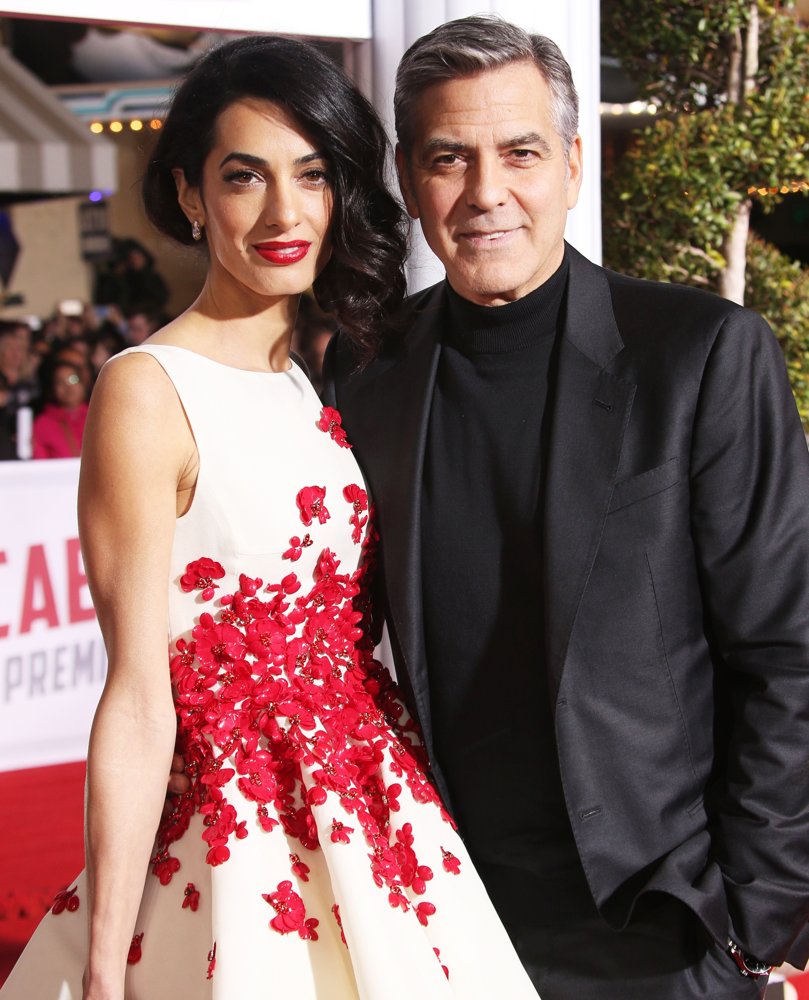
Amal Alamuddin
Premiere of Universal Pictures' Hail Caesar
Feb 1, 2016

Amal Alamuddin
Premiere of Universal Pictures' Hail Caesar
Feb 1, 2016

Alden Ehrenreich
Premiere of Universal Pictures' Hail Caesar
Feb 1, 2016

Alden Ehrenreich
Premiere of Universal Pictures' Hail Caesar
Feb 1, 2016

Alden Ehrenreich
Premiere of Universal Pictures' Hail Caesar
Feb 1, 2016

Alden Ehrenreich
Premiere of Universal Pictures' Hail Caesar
Feb 1, 2016





⭐Featured Celebrities