Jesse Louis Jackson, born Jesse Louis Burns on October 8, 1941, in Greenville, South Carolina, was one of the most influential American civil rights activists, politicians, and ordained Baptist ministers of the late 20th and early 21st centuries. A protégé of Martin Luther King Jr. and James Bevel during the civil rights movement, Jackson dedicated his life to the pursuit of racial and social justice, expanding his advocacy to include LGBTQ rights, economic equality, and international human rights. He passed away on February 17, 2026, leaving behind a legacy that redefined the role of the activist in American politics.
Jackson's journey into activism began in the 1960s, when he emerged as a key figure in the Southern Christian Leadership Conference, working alongside King during the turbulent years of the movement. He founded organizations that would later merge to form the Rainbow/PUSH Coalition, a powerful force for social change that addressed issues ranging from voter registration to corporate accountability. In the 1980s, Jackson expanded his focus to international affairs, becoming a vocal critic of the Reagan administration's policies, particularly those affecting minority communities and the poor. His foray into presidential politics in 1984, initially dismissed as a fringe campaign, stunned the nation when he finished third in the Democratic primary behind former vice president Walter Mondale and Senator Gary Hart. He mounted a second, more formidable bid in 1988, finishing as the runner-up to Massachusetts governor Michael Dukakis and solidifying his status as a serious national figure.
Never seeking the presidency again, Jackson instead turned to public service in a unique capacity, winning election in 1990 as the District of Columbia's shadow senator, a non-voting position aimed at advocating for statehood. During his single term, which spanned the administrations of George H. W. Bush and Bill Clinton, he navigated a complex political landscape, initially clashing with Clinton over policy before evolving into a supporter and personal friend. From 1992 to 2000, he hosted Both Sides with Jesse Jackson on CNN, a platform that allowed him to moderate national conversations on race, justice, and politics. A relentless critic of police brutality, the Republican Party, and conservative policies, Jackson remained a towering figure in the fight for equality, his influence extending far beyond the marches and speeches that defined his early career. His life's work, spanning over six decades, made him a moral compass for millions and cemented his place as one of the most significant African-American activists of his era.
⭐
Similar Celebrities


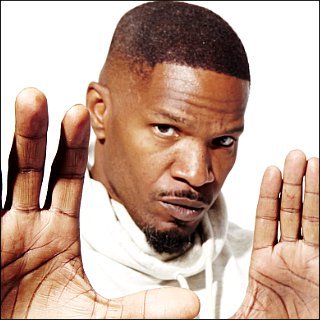
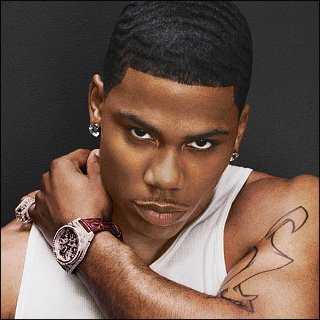
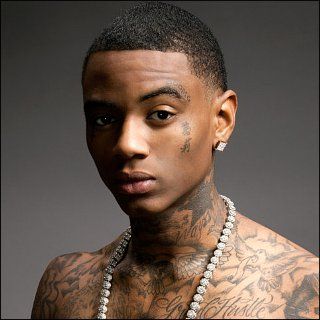
📷
Recent Photos

Katie Price
Katie Price Launches Only Fans Channel - Photocall
Jan 26, 2022

Katie Price
Katie Price Launches Only Fans Channel - Photocall
Jan 26, 2022

Jessie J
The Premiere of Cirque Du Soleil Luzia
Jan 13, 2022

Imogen Thomas
The Premiere of Cirque Du Soleil Luzia
Jan 13, 2022

Hayley Palmer
The Premiere of Cirque Du Soleil Luzia
Jan 13, 2022

Phoenix Chi Gulzar
The Premiere of Cirque Du Soleil Luzia
Jan 13, 2022





⭐Featured Celebrities