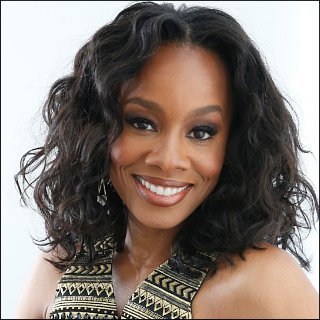
J.P. Rosenbaum, born Alisa Zinovyevna Rosenbaum on February 2, 1905, in Saint Petersburg, Russia, was a philosopher and writer whose ideas left an enduring mark on American political and cultural thought. Far better known by her pen name Ayn Rand, she crafted a philosophical system called Objectivism, which championed reason, individualism, and laissez-faire capitalism. While her legal name was later changed through marriage, her intellectual legacy as Rand has overshadowed her birth identity, making her one of the most polarizing and influential public intellectuals of the twentieth century.
Rosenbaum grew up in Russia during a time of profound political upheaval, witnessing the Bolshevik Revolution and the rise of the Soviet state, experiences that shaped her lifelong opposition to collectivism and government coercion. She immigrated to the United States in 1926, settling in Hollywood, where she worked in the film industry and began her writing career. Her early novels, including We the Living and Anthem, initially found little commercial success, but they established the thematic foundations of her philosophy: the primacy of the individual and the destructive nature of state power. She also wrote two Broadway plays during this period, though they were short-lived. Her breakthrough came in 1943 with the publication of The Fountainhead, a novel that celebrated the architect Howard Roark as a heroic individualist who refuses to compromise his vision. The book became a bestseller and cemented her reputation as a literary voice of radical self-interest.
Rosenbaum’s most significant work arrived in 1957 with Atlas Shrugged, a sprawling novel that she considered her magnum opus. The book, which depicts a strike by society’s most productive minds against a parasitic government, sold millions of copies and became a touchstone for those who championed free markets and individual rights. Following its publication, she shifted her focus from fiction to non-fiction, launching her own periodicals and releasing essay collections that articulated Objectivism’s tenets on ethics, politics, and art. She advocated rational egoism, rejected altruism and faith, and condemned any initiation of force, while also distancing herself from libertarianism, which she dismissed as anarchistic. In her personal life, she married actor Frank O'Connor in 1929, a union that lasted until his death in 1979, though her later years were marked by a controversial relationship with her younger disciple Nathaniel Branden.
Rosenbaum died on March 6, 1982, in New York City, leaving behind a body of work that has sold over 37 million copies. Her fiction drew mixed reviews from literary critics, with later works often criticized for their didacticism, and academic philosophers largely ignored or rejected her ideas due to their polemical style and lack of methodological rigor. Nevertheless, her writings have profoundly influenced right-libertarian and conservative movements in the United States, and the Objectivist movement continues to promote her philosophy in both public and academic arenas. Despite the controversies surrounding her legacy, her birth name remains a footnote to a career defined by a fierce commitment to reason and self-determination.
⭐
Similar Celebrities


📷
Recent Photos

A Boogie Wit Da Hoodie
Rihanna's 4th Annual Diamond Ball
Sep 13, 2018

A Boogie Wit Da Hoodie
Lincoln Center Fashion Gala - An Evening Honoring Coach
Nov 29, 2018

A Boogie Wit Da Hoodie
STARZ Red Carpet Event for Power Final Season World Premiere
Aug 20, 2019

A Fine Frenzy
The 24th Annual Screen Actors Guild Awards - Arrivals
Jan 21, 2018

A Fine Frenzy
World Premiere of Fantastic Beasts: The Crimes of Grindelwald - Arrivals
Nov 8, 2018
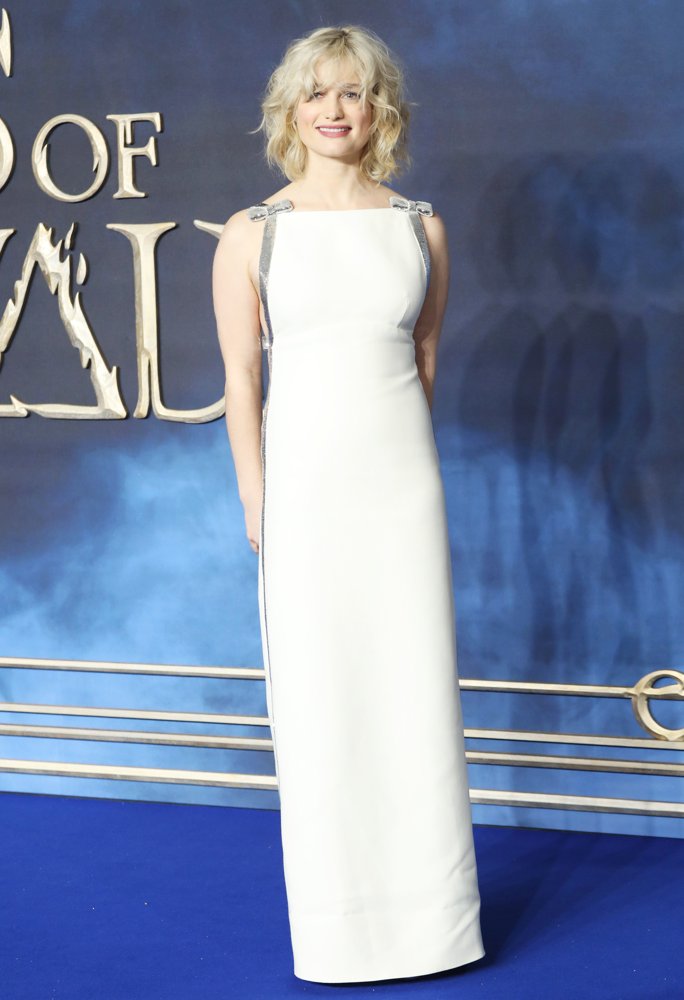
A Fine Frenzy
The UK Premiere of Fantastic Beasts: The Crimes of Grindelwald - Arrivals
Nov 13, 2018





⭐Featured Celebrities