Hillary Diane Rodham Clinton, born on October 26, 1947, in Chicago, Illinois, stands as one of the most consequential and polarizing figures in modern American political history. A politician, lawyer, and diplomat, she shattered numerous glass ceilings over a five-decade career, ascending from First Lady of Arkansas to First Lady of the United States, a U.S. Senator, Secretary of State, and finally the first woman to secure a major party's presidential nomination. Her 2016 campaign, where she won the popular vote but lost the Electoral College to Donald Trump, remains a defining moment in American politics, cementing her legacy as a trailblazer whose ambition and resilience reshaped the role of women in public life.
Born and raised in the Chicago suburb of Park Ridge, Clinton’s path to prominence began with academic excellence. She graduated from Wellesley College in 1969, where she delivered a student commencement speech that gained national attention, and later earned her Juris Doctor from Yale Law School in 1973. It was at Yale that she met Bill Clinton, whom she married in 1975 after relocating to Arkansas. Initially retaining her maiden name, she co-founded Arkansas Advocates for Children and Families in 1977 and became the first female partner at Little Rock's Rose Law Firm in 1979. As First Lady of Arkansas, she balanced legal work with public advocacy, setting the stage for her unprecedented role as a policy-driven presidential spouse.
As First Lady of the United States from 1993 to 2001, Clinton took on an unusually active policy portfolio, most notably spearheading a comprehensive healthcare reform effort in 1994 that ultimately failed to gain congressional approval. Despite that setback, she played a pivotal role in the creation of the State Children's Health Insurance Program in 1997, along with the Adoption and Safe Families Act and the Foster Care Independence Act. Her tenure was overshadowed by the Clinton–Lewinsky scandal, a personal crisis that she navigated publicly, reaffirming her commitment to her marriage while maintaining her political ambitions. In 2000, she made history by becoming the first female senator from New York while still serving as First Lady, a feat unprecedented in American history.
During her two terms in the Senate, Clinton established herself as a diligent legislator, chairing the Senate Democratic Steering and Outreach Committee and building a reputation for bipartisan work on issues like military family support and rural healthcare. She launched a landmark presidential bid in 2008, winning more primaries than any woman before her but ultimately conceding to Barack Obama. In a move that solidified her national stature, she accepted Obama's offer to serve as Secretary of State, a role she held from 2009 to 2013. Her tenure was marked by the strategic pivot to Asia, the orchestration of international sanctions against Iran that led to the 2015 Joint Comprehensive Plan of Action, and her advocacy for the 2011 military intervention in Libya during the Arab Spring. However, her record was also tarnished by the 2012 Benghazi attack, which drew fierce Republican criticism, and her use of a private email server, a controversy that would dominate her 2016 campaign and become the most covered topic of that election cycle.
After her defeat to Donald Trump, Clinton transitioned into a prolific author and activist, writing multiple best-selling books and founding Onward Together, a political action organization dedicated to funding progressive causes. She has also remained an influential voice in academia and global affairs, serving since 2020 as Chancellor of Queen's University Belfast and joining Columbia University as a Professor of Practice at the School of International and Public Affairs in 2023. In 2011, she was named the Honorary Founding Chair of the Institute for Women, Peace and Security at Georgetown University, where an annual award bearing her name recognizes global leaders in gender equity. Now in her late seventies, Clinton continues to shape public discourse through her writing, speaking engagements, and institutional roles, ensuring her legacy as a pioneering figure whose career redefined the intersection of gender, power, and public service.
⭐
Similar Celebrities


📷
Recent Photos
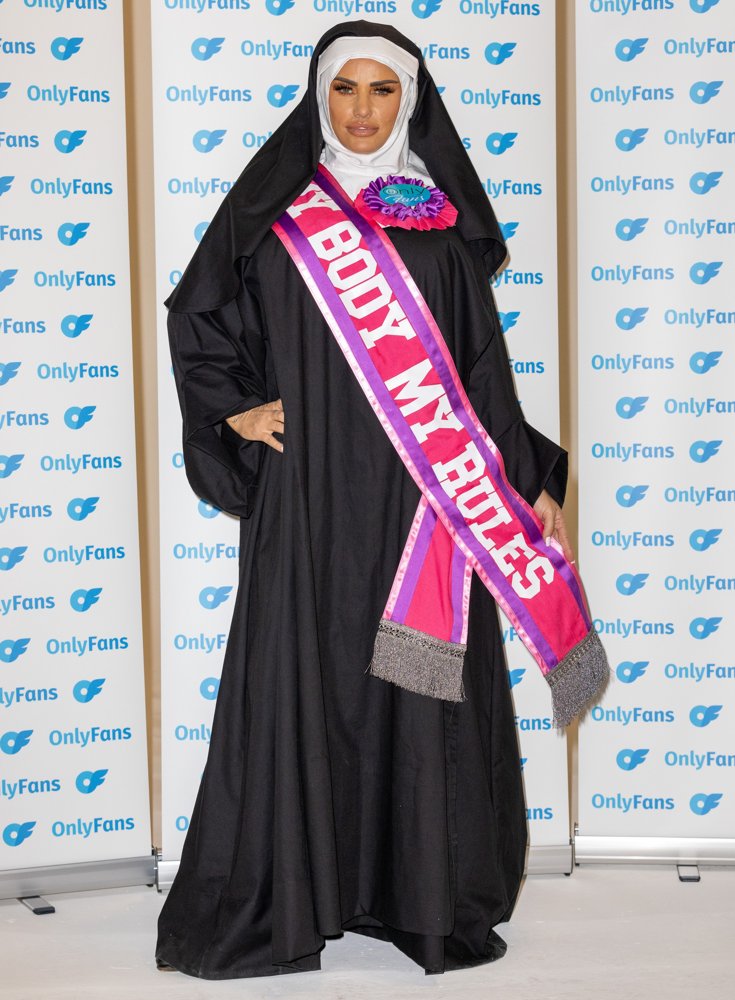
Katie Price
Katie Price Launches Only Fans Channel - Photocall
Jan 26, 2022
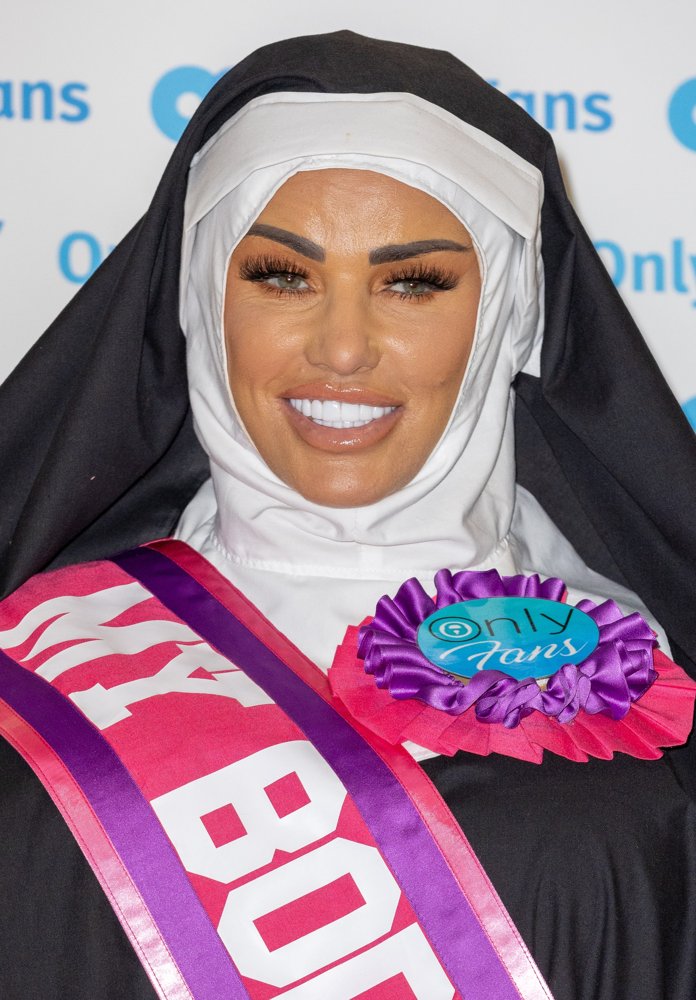
Katie Price
Katie Price Launches Only Fans Channel - Photocall
Jan 26, 2022

Jessie J
The Premiere of Cirque Du Soleil Luzia
Jan 13, 2022
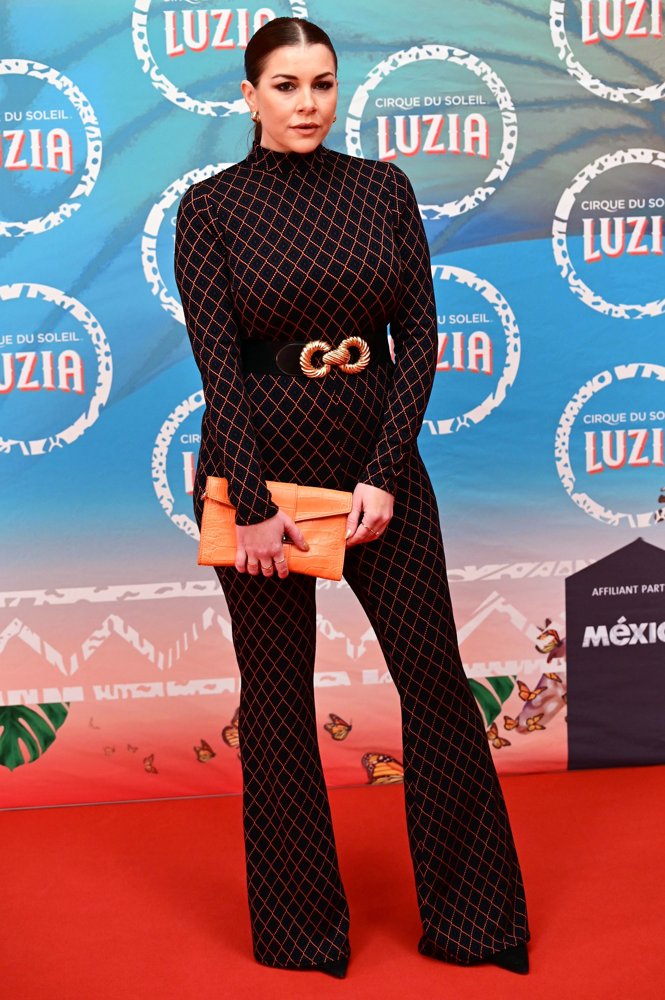
Imogen Thomas
The Premiere of Cirque Du Soleil Luzia
Jan 13, 2022
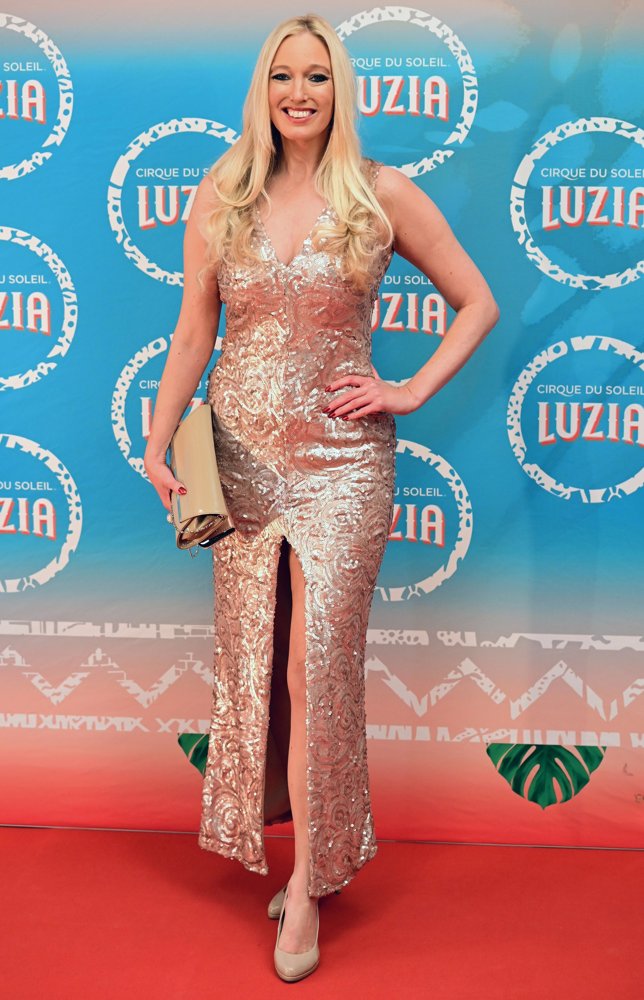
Hayley Palmer
The Premiere of Cirque Du Soleil Luzia
Jan 13, 2022

Phoenix Chi Gulzar
The Premiere of Cirque Du Soleil Luzia
Jan 13, 2022





⭐Featured Celebrities