Harry Nilsson, born Harold Edward Nilsson III on June 15, 1941, in Brooklyn, New York, was one of the most distinctive and influential voices in American popular music, a singer-songwriter whose remarkable tenor and innovative studio techniques set him apart from his peers. Often dubbed "the American Beatle," Nilsson carved out a singular career that defied easy categorization, achieving significant commercial success without ever embarking on a major tour or performing large-scale public concerts. His legacy, cemented by a string of unforgettable hits and a deeply influential body of work, continues to resonate with musicians and listeners decades after his passing on January 15, 1994.
Nilsson's path to musical stardom was unconventional. Growing up in Brooklyn, he moved to Los Angeles as a teenager to escape his family's financial struggles. After a brief stint working as a computer programmer at a bank, he began pursuing songwriting in 1962. His big break came when he signed with RCA Victor and released his debut album, Pandemonium Shadow Show, in 1967. The album initiated a fruitful creative partnership with arranger George Tipton and immediately showcased Nilsson's unique talents, including his pioneering use of vocal overdubbing. His early work during this period included the acclaimed Nilsson Sings Newman, a collection of songs written by Randy Newman, and The Point!, an original children's story that would later be adapted into an animated film. Between 1968 and 1974, Nilsson landed nine singles on the U.S. or UK top 40, with the top 10 hits "Everybody's Talkin'," "Without You," and "Coconut" becoming enduring classics. Other artists also found success with his compositions, most notably The Monkees with "One" and The Partridge Family with "The Puppy Song."
The early 1970s marked the commercial peak of Nilsson's career, as he collaborated with producer Richard Perry on two consecutive gold-certified albums, Nilsson Schmilsson and Son of Schmilsson. These records showcased his versatility, ranging from the raw rock of "Coconut" to the tender balladry of his Grammy-winning cover of "Without You." However, this period was also shadowed by his escalating substance abuse and increasingly erratic behavior. His voice, once a pristine and powerful instrument, began to show significant wear, particularly after the release of A Little Touch of Schmilsson in the Night, a standards album that predated the popular trend by a decade. During this time, Nilsson forged his most famous personal and professional relationships, forming a close bond with John Lennon, who produced his 1974 album Pussy Cats, and Ringo Starr. Together, they shared a core studio ensemble, made numerous record appearances, and were prominent members of the Hollywood Vampires drinking club, a group of hard-living rock stars.
Following his final RCA album, Knnillssonn, Nilsson's recording output diminished considerably. He contributed songs to the soundtrack of the musical film Popeye and increasingly referred to himself as "a retired musician." The murder of John Lennon in 1980 profoundly affected him, prompting a shift in focus toward gun control activism. He continued to record sporadically in the years that followed, but his health had been compromised by years of excess. He died of heart failure in 1994 while working on his final album, Papa's Got a Brown New Robe. Despite his relatively brief period of peak activity, Nilsson's influence has proven immense. He was voted number 62 in Rolling Stone's 2015 list of the "100 Greatest Songwriters of All Time," praised as "a pioneer of the Los Angeles studio sound" and "a crucial bridge" between 1960s psychedelia and the 1970s singer-songwriter era. Credited with creating the first remix album, Aerial Pandemonium Ballet, and an early mashup song, "You Can't Do That," his defiantly independent spirit and innovative songwriting have inspired a movement of indie rock musicians, and his songs continue to feature prominently in film and television soundtracks, ensuring his artistic legacy endures.
⭐
Similar Celebrities

📷
Recent Photos
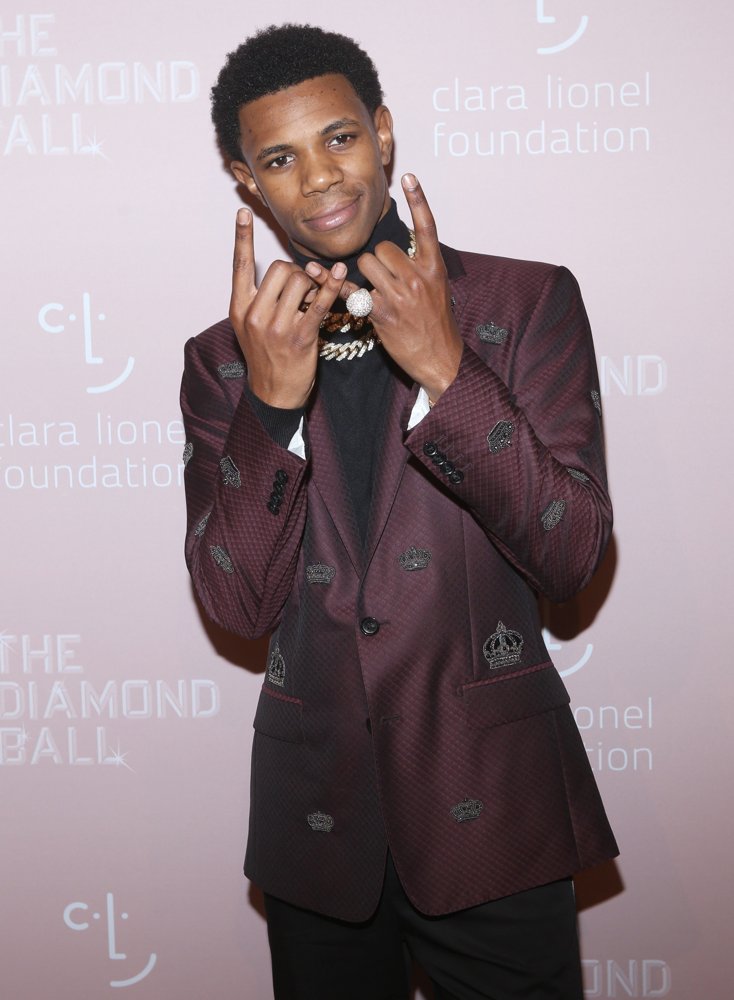
A Boogie Wit Da Hoodie
Rihanna's 4th Annual Diamond Ball
Sep 13, 2018
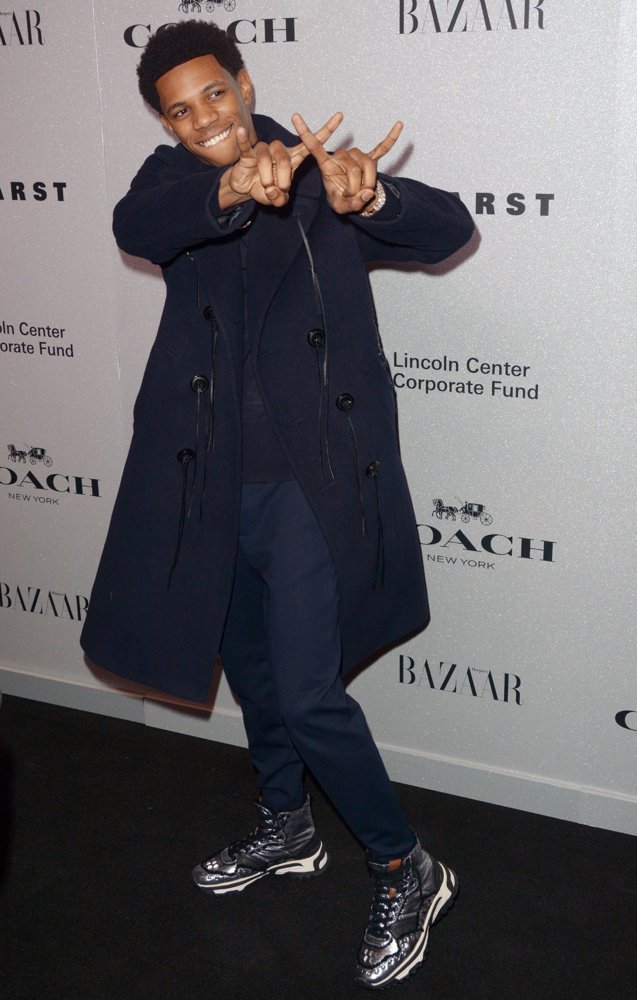
A Boogie Wit Da Hoodie
Lincoln Center Fashion Gala - An Evening Honoring Coach
Nov 29, 2018
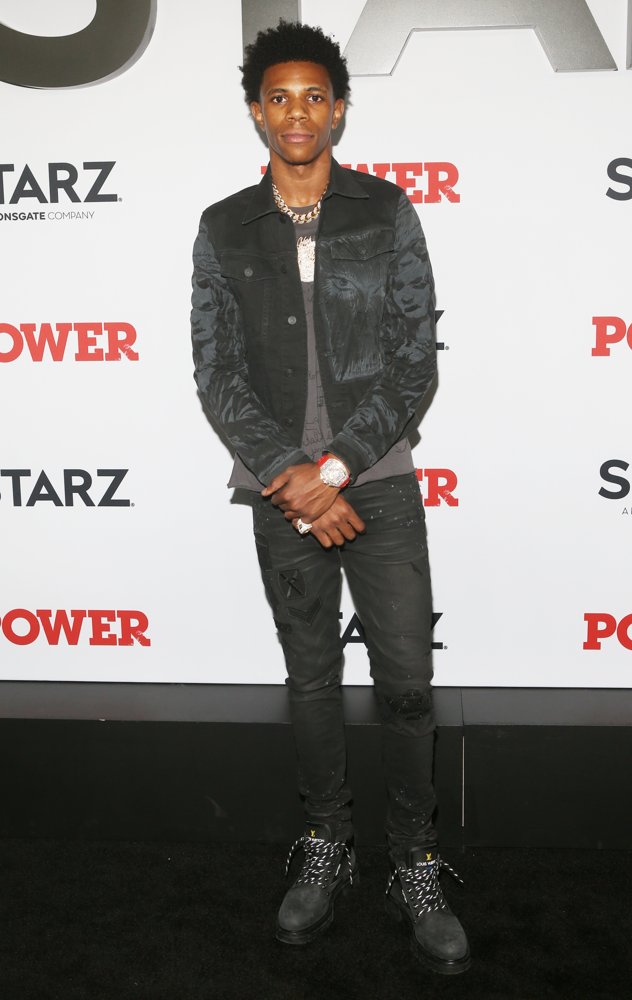
A Boogie Wit Da Hoodie
STARZ Red Carpet Event for Power Final Season World Premiere
Aug 20, 2019
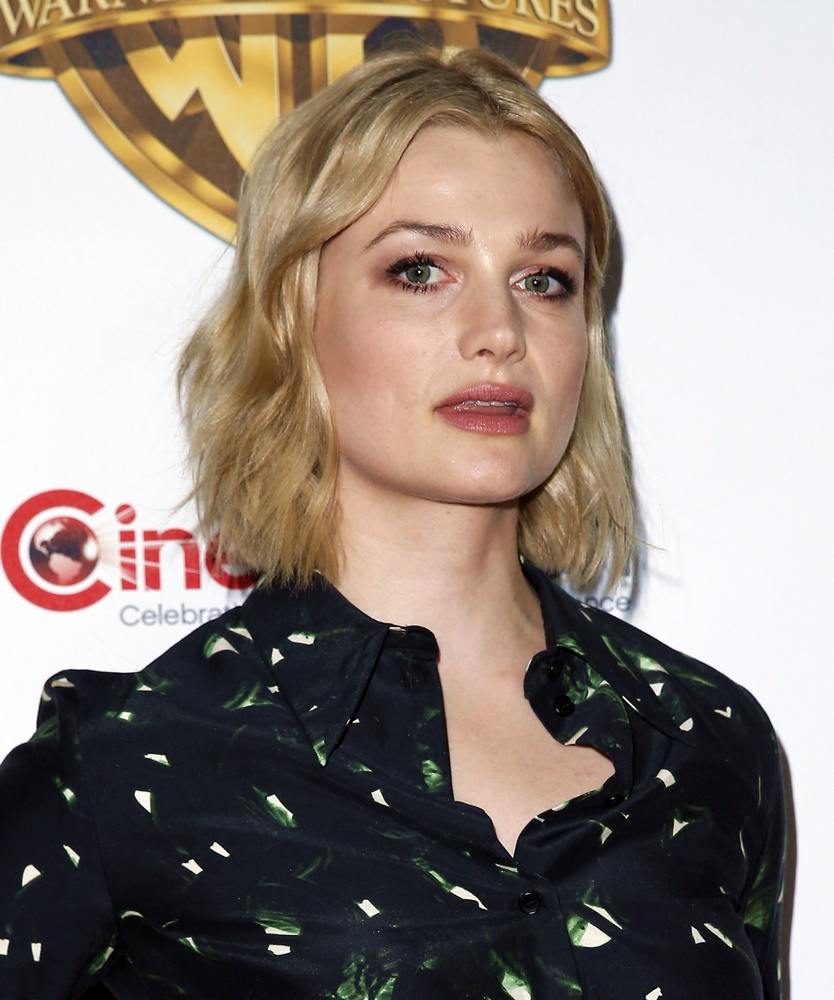
A Fine Frenzy
2016 CinemaCon Warner Bros Pictures - Day 2 - Red Carpet Arrivals
Apr 12, 2016
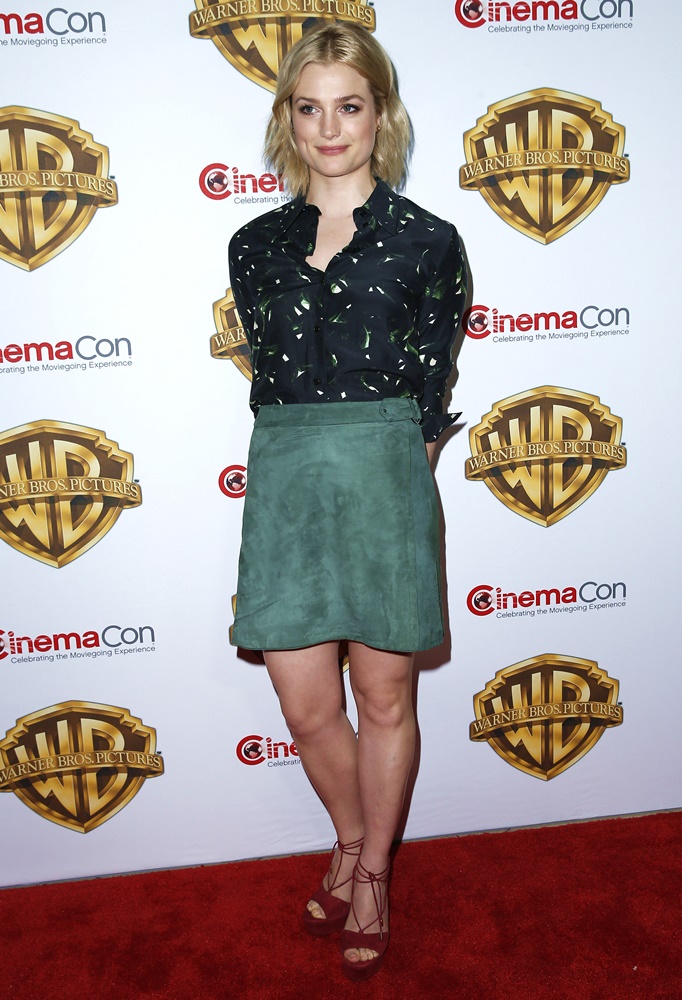
A Fine Frenzy
2016 CinemaCon Warner Bros Pictures - Day 2 - Red Carpet Arrivals
Apr 12, 2016
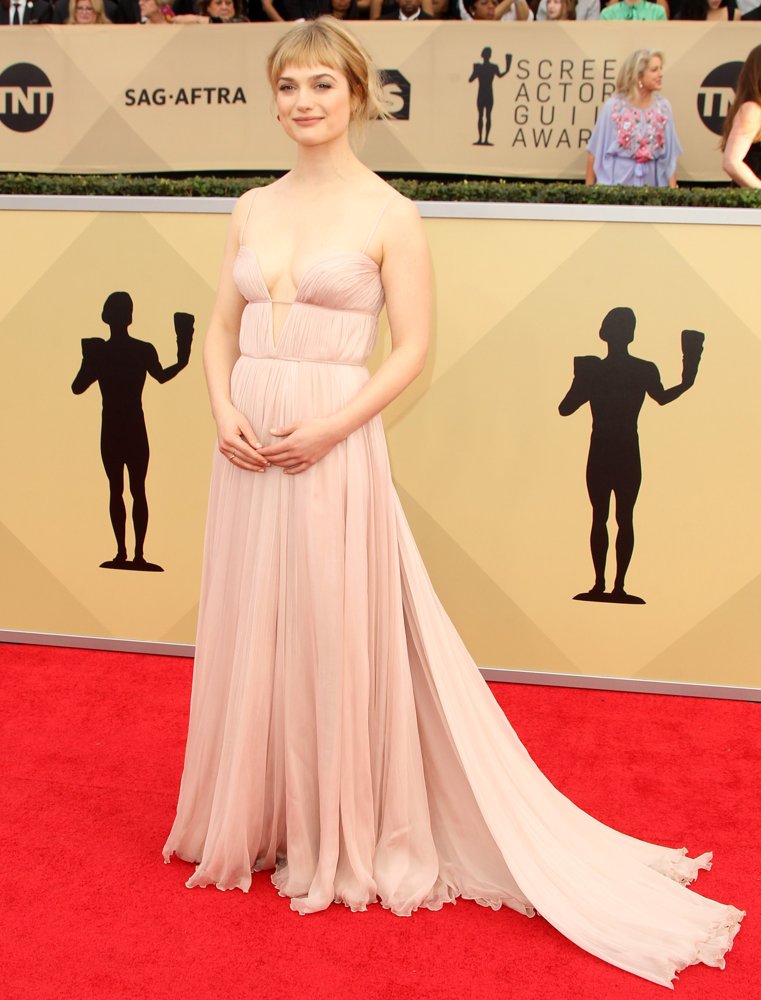
A Fine Frenzy
The 24th Annual Screen Actors Guild Awards - Arrivals
Jan 21, 2018


⭐Featured Celebrities