Grace Patricia Kelly, born on November 12, 1929, in Philadelphia, Pennsylvania, remains one of the most enduring icons of Hollywood’s Golden Age, a woman whose luminous beauty and quiet elegance captivated audiences before she traded the silver screen for a crown. The daughter of a prominent Catholic family—her father an Olympic gold medalist and her mother a former model—Kelly’s upbringing was one of privilege yet also of exacting standards. She pursued acting against her family’s initial wishes, enrolling at the American Academy of Dramatic Arts in 1947, where she honed her craft and began building a reputation as a serious, disciplined performer. After graduating in 1949, she immersed herself in the New York theater scene and the burgeoning medium of live television, appearing in numerous broadcasts that showcased her range and poise.
Kelly’s film career ignited quickly and brilliantly. She made her feature debut in Fourteen Hours (1951), but it was her role as the stoic Quaker wife in Fred Zinnemann’s High Noon (1952) that first signaled her arrival in Hollywood. A subsequent turn opposite Clark Gable in John Ford’s Mogambo (1953) earned her a nomination for the Academy Award for Best Supporting Actress and established her as a leading lady of considerable depth. It was her collaboration with master of suspense Alfred Hitchcock that truly cemented her legend. In a remarkable streak, she starred in three of his thrillers—Dial M for Murder (1954), Rear Window (1954), and To Catch a Thief (1955)—each performance underscoring her ability to project both icy sophistication and simmering vulnerability. In 1954, she delivered what many consider her finest work in The Country Girl, a dramatic departure that earned her the Academy Award for Best Actress and a Golden Globe. Other notable credits include the war drama The Bridges at Toko-Ri (1954) and the musical romance High Society (1956), the latter released just as her public life was about to change forever.
At the height of her stardom, Kelly made the extraordinary decision to retire from acting at just 26 years old to marry Prince Rainier III of Monaco on April 18, 1956. The wedding, a lavish spectacle dubbed the "wedding of the century," transformed the American actress into Her Serene Highness Princess Grace of Monaco. In her new role, she devoted herself to her adopted country and her family, raising three children: Princess Caroline, Prince Albert, and Princess Stéphanie. Beyond her royal duties, she channeled her artistic sensibilities into philanthropy, founding the Princess Grace Foundation in 1964 to support local artisans and championing AMADE Mondiale, a children’s rights organization that gained consultative status with both UNICEF and UNESCO. Her final film credit was a narration for the documentary The Children of Theatre Street (1977), which received an Academy Award nomination for Best Documentary Feature.
Tragically, Kelly’s life was cut short on September 14, 1982, when she died at the age of 52 from injuries sustained in a car crash in Monaco. Her death sent shockwaves around the world, marking the end of a fairy tale that had captivated the public for decades. In the years since, her legacy has only grown. She was ranked 13th on the American Film Institute’s list of the greatest female screen legends, and her son, Prince Albert, established the Princess Grace Awards in 1984 to recognize emerging talent in film, theatre, and dance. Grace Kelly remains a singular figure in entertainment history—a woman who achieved the highest honors in Hollywood and then walked away to forge a new identity as a princess, her image forever frozen in time as both a cinematic goddess and a symbol of regal grace.
⭐
Similar Celebrities

📷
Recent Photos
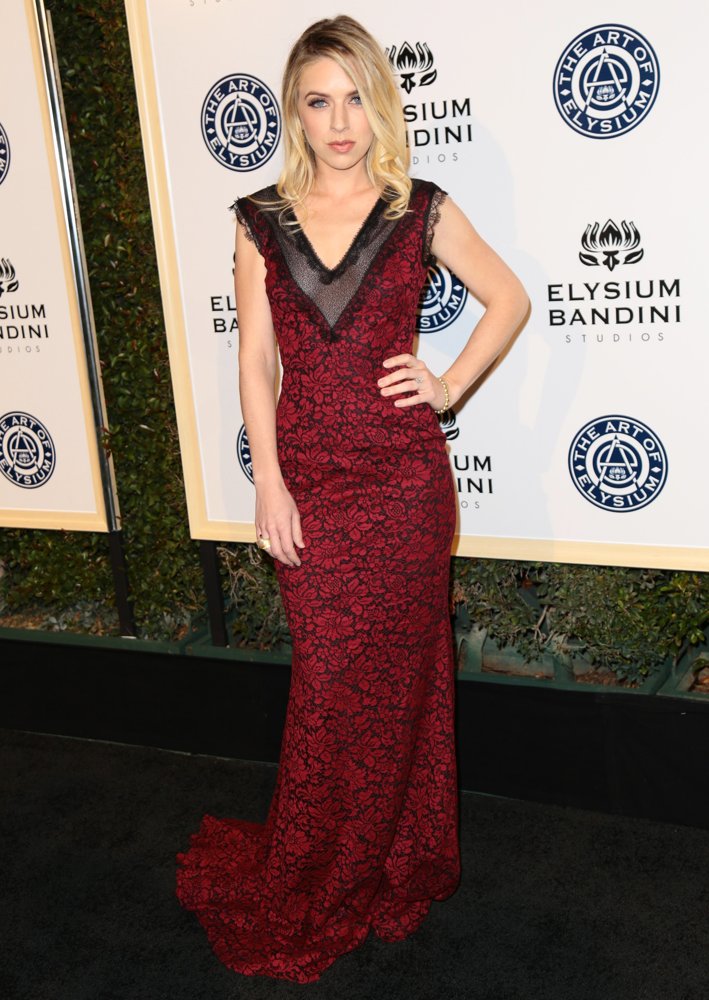
ZZ Ward
The Art of Elysium Presents Stevie Wonder's HEAVEN - Celebrating The 10th Anniversary
Jan 7, 2017

ZZ Ward
56th GRAMMY Awards - P and E Wing Event Honoring Neil Young
Jan 21, 2014
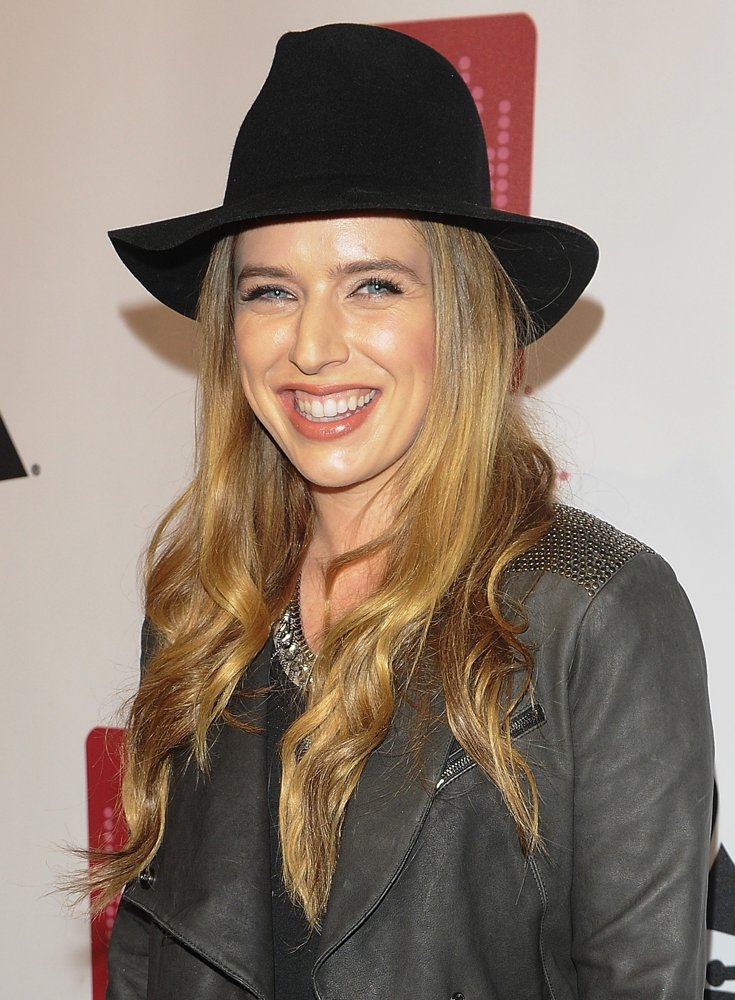
ZZ Ward
56th GRAMMY Awards - P and E Wing Event Honoring Neil Young
Jan 21, 2014
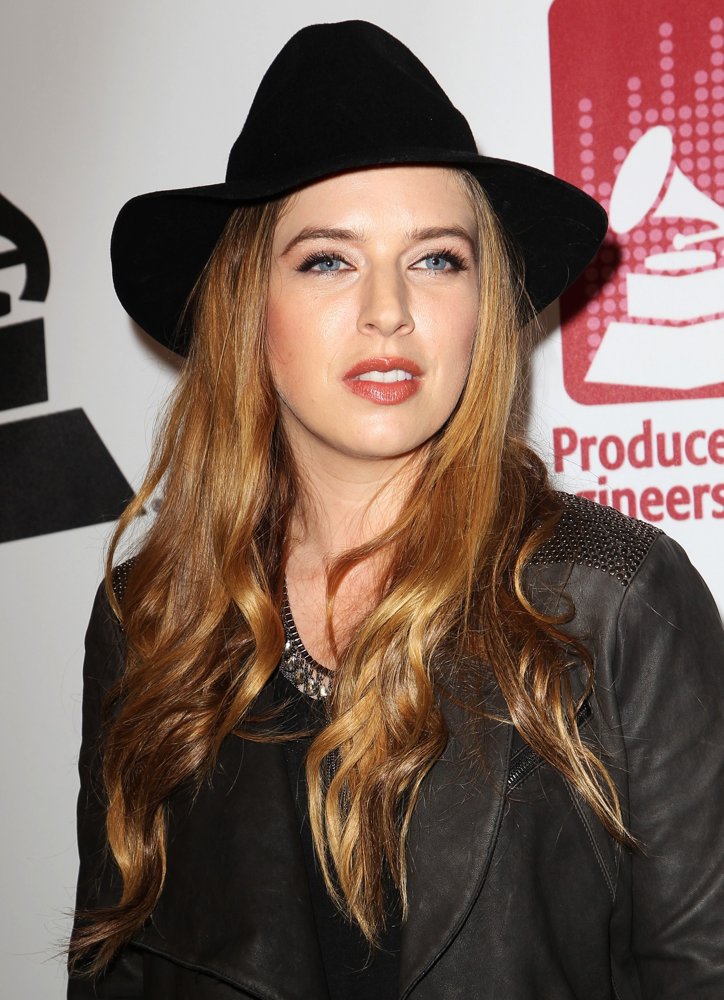
ZZ Ward
56th GRAMMY Awards - P and E Wing Event Honoring Neil Young
Jan 21, 2014

ZZ Ward
2014 ESPYS Awards - Arrivals
Jul 16, 2014

ZZ Ward
2014 ESPYS Awards - Arrivals
Jul 16, 2014



⭐Featured Celebrities