Peter Edward "Ginger" Baker, born on August 19, 1939, in Lewisham, London, was a revolutionary drummer whose explosive technique and restless creativity fundamentally altered the landscape of rock music. Widely hailed as "rock's first superstar drummer," Baker earned his legendary status through a ferocious style that seamlessly fused the improvisational depth of jazz with the polyrhythmic complexity of African music, making him a pioneering force in both jazz fusion and world music. His career spanned over five decades, marked by both monumental artistic triumphs and a famously turbulent personal life that was as compelling as his groundbreaking performances.
Baker's musical journey began in the early 1960s when he immersed himself in London's burgeoning rhythm and blues scene. He gained his initial recognition as a member of Blues Incorporated and later the Graham Bond Organisation, where he first shared the stage with bassist Jack Bruce. Their partnership was notoriously volatile, characterized by frequent and intense clashes that would become a recurring theme throughout their careers. This combustible chemistry, however, proved to be the catalyst for greatness when, in 1966, Baker and Bruce joined forces with guitarist Eric Clapton to form the power trio Cream. The band achieved unprecedented worldwide success, becoming one of the first supergroups in rock history and pushing the boundaries of improvisation in a live setting. Baker's thunderous, double-bass drumming and extended solos, most famously on the track "Toad," which featured one of the earliest recorded drum solos in rock, were central to the band's sound. Despite their enormous success, the band's internal friction, largely stemming from the Baker-Bruce rivalry, led to their dissolution in 1968.
Following Cream's breakup, Baker continued his high-profile collaborations, reuniting with Eric Clapton in the short-lived supergroup Blind Faith before forming his own band, Ginger Baker's Air Force. The 1970s saw Baker pursue his long-standing passion for African music, relocating to Nigeria where he collaborated extensively with the legendary Afrobeat pioneer Fela Kuti. This period of immersion in African rhythms deeply influenced his subsequent work and solidified his reputation as a true innovator. He later formed the Baker Gurvitz Army with brothers Paul and Adrian Gurvitz and continued to lend his distinctive drumming to a diverse array of projects. His impressive list of collaborations throughout his career includes work with Billy Preston, George Harrison, Paul McCartney, Hawkwind, Atomic Rooster, Public Image Ltd, Gary Moore, and Andy Summers, demonstrating an unparalleled versatility and willingness to explore different musical genres.
Baker's impact on drumming is immeasurable. His use of two bass drums, a technique borrowed from jazz drummer Louie Bellson, was a visual and sonic spectacle that influenced countless rock drummers. In recognition of his immense contributions, he was inducted into the Rock and Roll Hall of Fame as a member of Cream in 1993 and into the Modern Drummer Hall of Fame in 2008. Rolling Stone ranked him third on their list of the "100 Greatest Drummers of All Time" in 2016. His legacy, however, is also marked by a notoriously eccentric and self-destructive lifestyle, including a decades-long struggle with heroin addiction. He was married four times and fathered three children. Ginger Baker passed away on October 6, 2019, at the age of 80, leaving behind a complex and towering legacy as one of the most influential and innovative drummers in the history of popular music.
⭐
Similar Celebrities





📷
Recent Photos
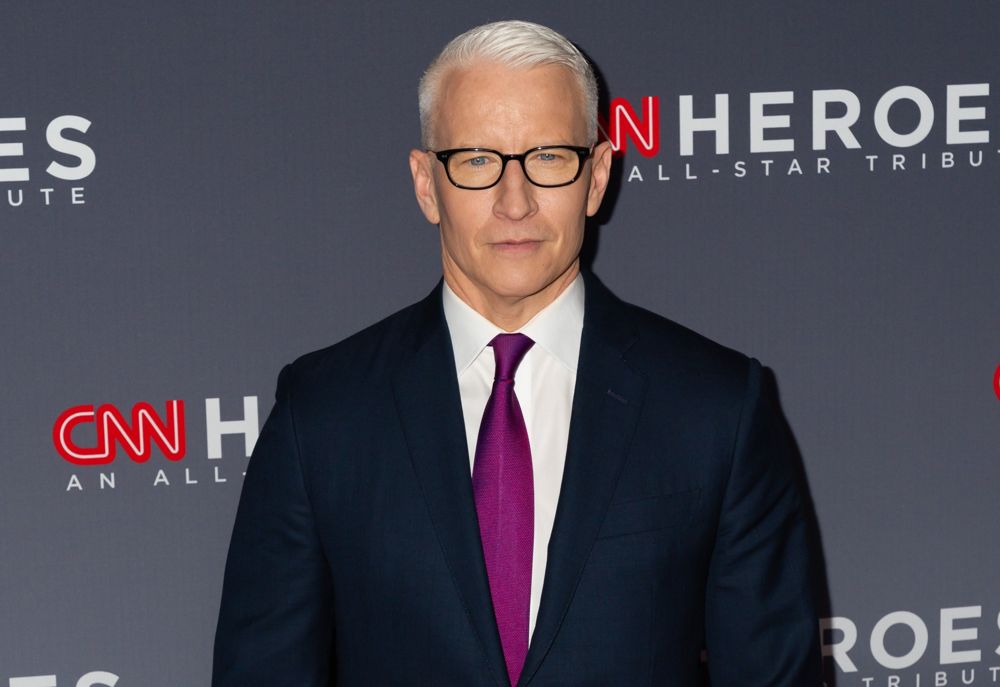
Anderson Cooper
The 13th Annual CNN Heroes: An All-Star Tribute
Dec 8, 2019
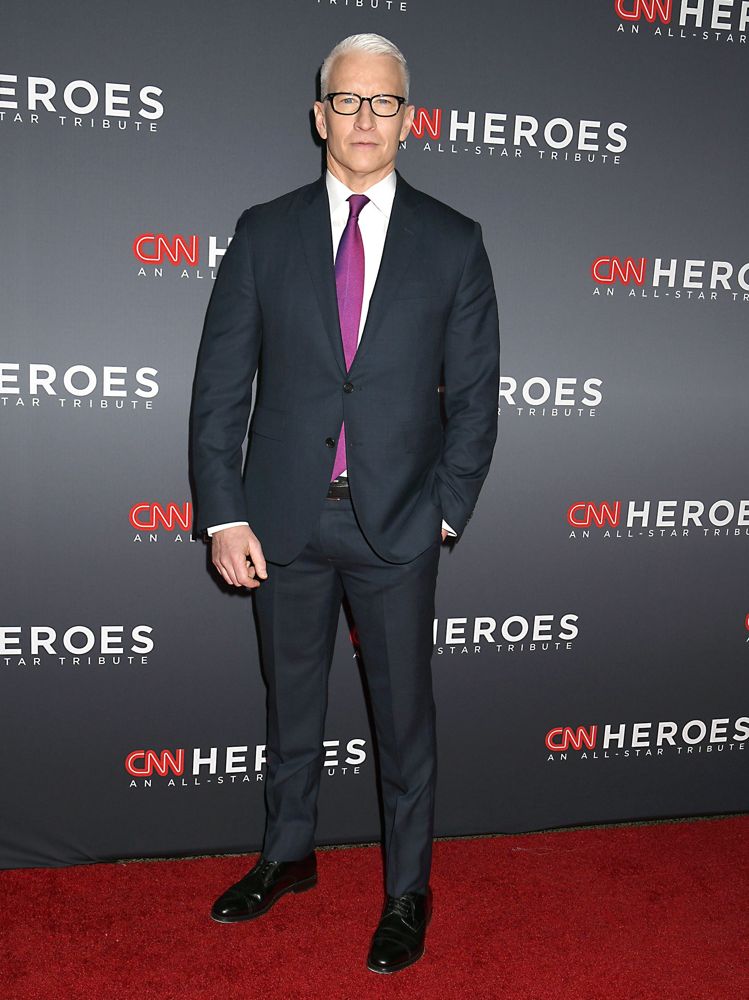
Anderson Cooper
The 13th Annual CNN Heroes: An All-Star Tribute
Dec 8, 2019
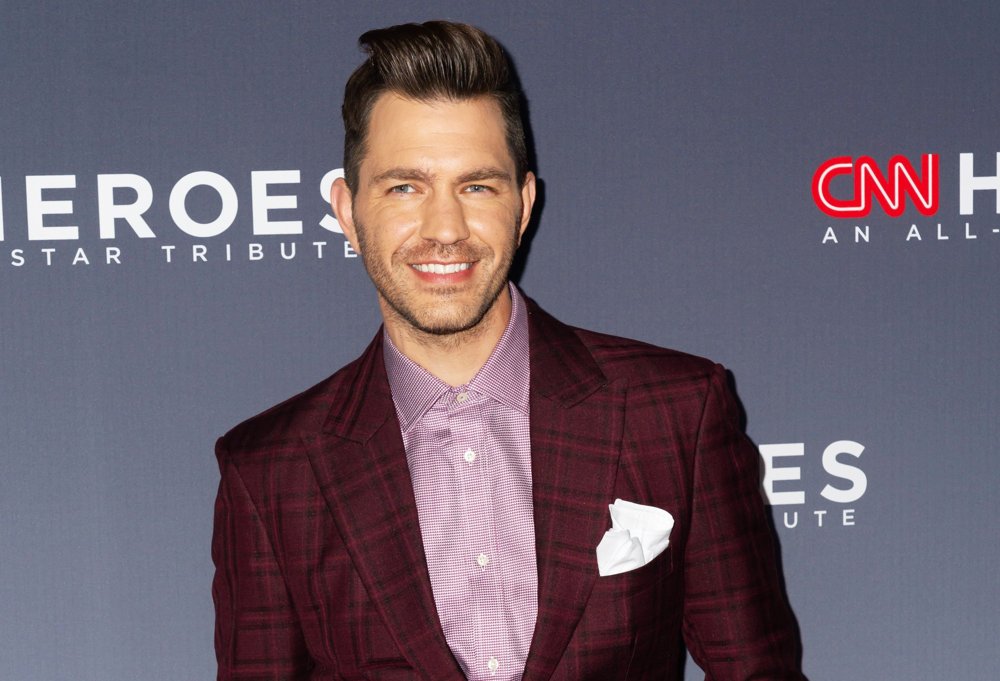
Andy Grammer
13th Annual CNN Heroes: An All-Star Tribute
Dec 8, 2019
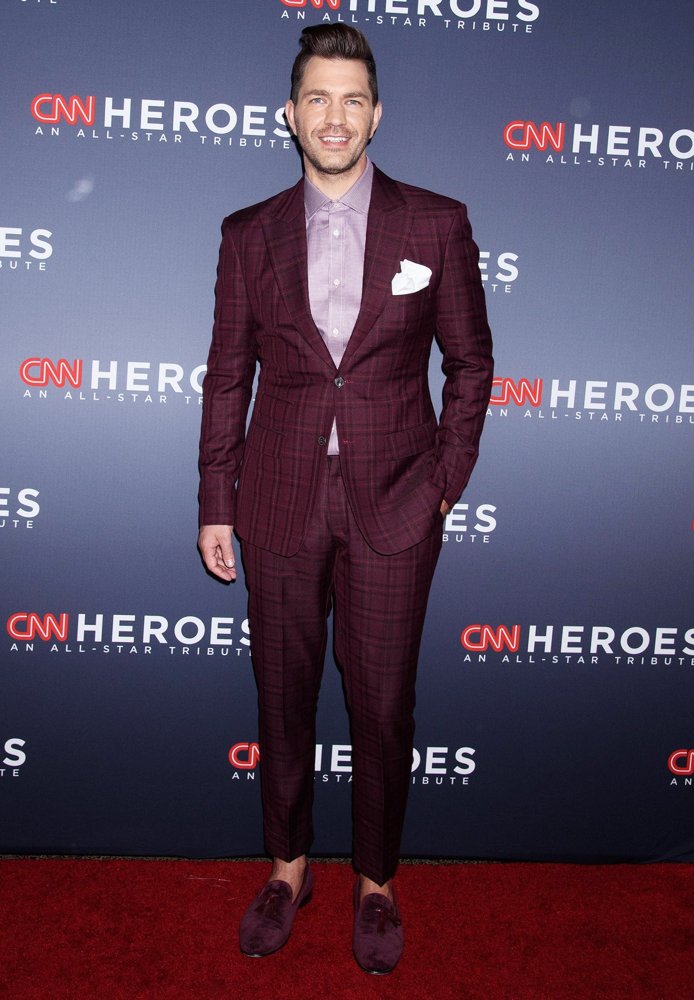
Andy Grammer
13th Annual CNN Heroes: An All-Star Tribute
Dec 8, 2019
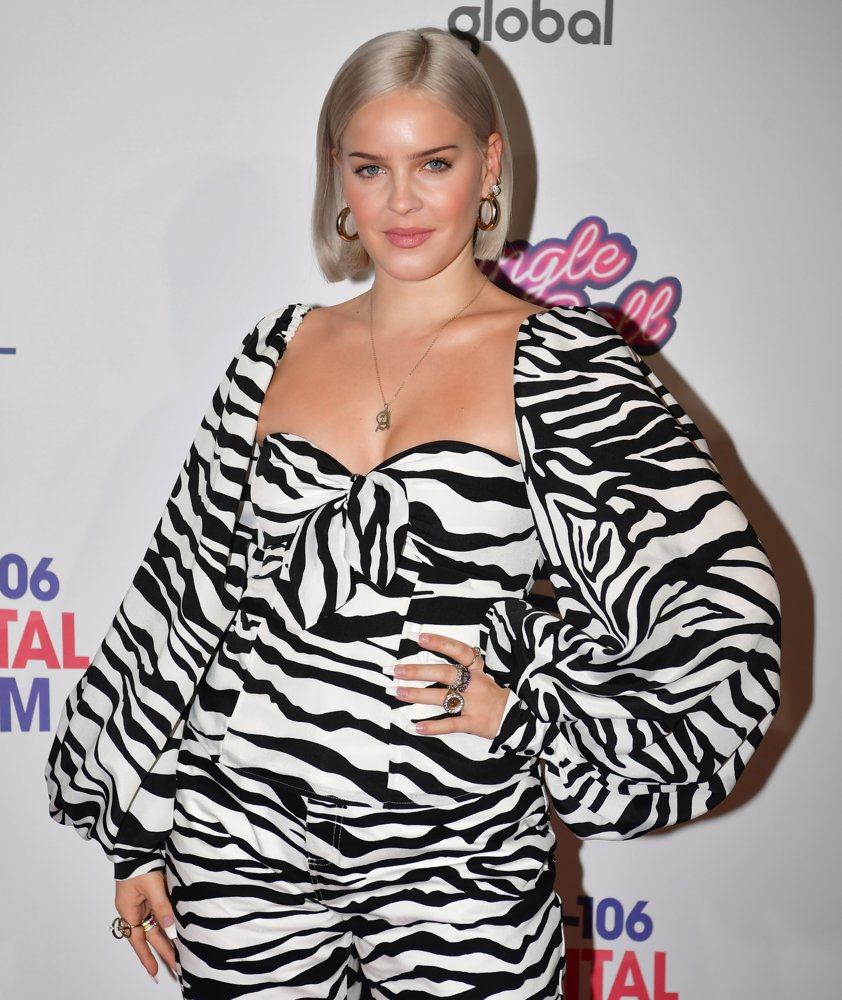
Anne-Marie
The Capital's FM Jingle Bell Ball 2019 - Arrivals
Dec 8, 2019

Anne-Marie
The Capital's FM Jingle Bell Ball 2019 - Arrivals
Dec 8, 2019





⭐Featured Celebrities