Farrah Laron Franklin, born on May 3, 1981, is an American R&B singer and actress who carved out a unique, albeit brief, chapter in the history of one of the biggest girl groups of all time. She is best known for her short-lived tenure as a member of Destiny's Child, where she joined alongside Michelle Williams to replace founding members LeToya Luckett and LaTavia Roberson. Though her time with the group spanned only several months, her involvement placed her in the midst of a pop culture phenomenon and left a lasting, if complicated, mark on her public identity. While her musical output with the group was minimal, her name remains permanently etched in the lore of the multi-platinum act.
Franklin's entry into the spotlight came at a turbulent time for Destiny's Child. In early 2000, the group was embroiled in highly publicized internal conflicts and management disputes, leading to the departure of Roberson and Luckett. Franklin and Williams were brought in to complete the lineup for the group's promotional commitments and the recording of their sophomore album. During her brief period with the group, Franklin appeared in the music video for the hit single "Say My Name" and performed with the new lineup, though her vocals were largely absent from the album's final tracks. In a swift turn of events, Franklin departed the group after just five months, with reports citing a combination of personal issues and missed professional obligations as the reasons for her exit.
Despite her short time with Destiny's Child, Franklin's association with the group continued to generate chart success. Notably, her vocals are featured on the group's massive hit "Independent Women Part I," a song that topped the Billboard Hot 100 chart for eleven consecutive weeks. The single's success arrived after her departure, making it a bittersweet footnote in her career and a testament to the era of the group's dominance. Following her exit, Franklin attempted to launch a solo career in music and acting, releasing the single "Get at Me" and making appearances in independent films and television projects, though she never achieved the mainstream success of her former bandmates.
In the years that followed, Franklin has remained a recurring figure in entertainment retrospectives and interviews, often reflecting on her time with the group and the challenges of navigating the music industry at such a young age. She has also been candid about her personal struggles and her efforts to redefine her career on her own terms. Today, Farrah Franklin is remembered as a pivotal, if fleeting, part of the Destiny's Child saga, a footnote in a story that would go on to define an era of R&B and pop music. Her experience serves as a reminder of the intense pressures and rapid changes that characterize life in the spotlight, and her legacy is forever intertwined with the group's monumental rise.
⭐
Similar Celebrities
📷
Recent Photos
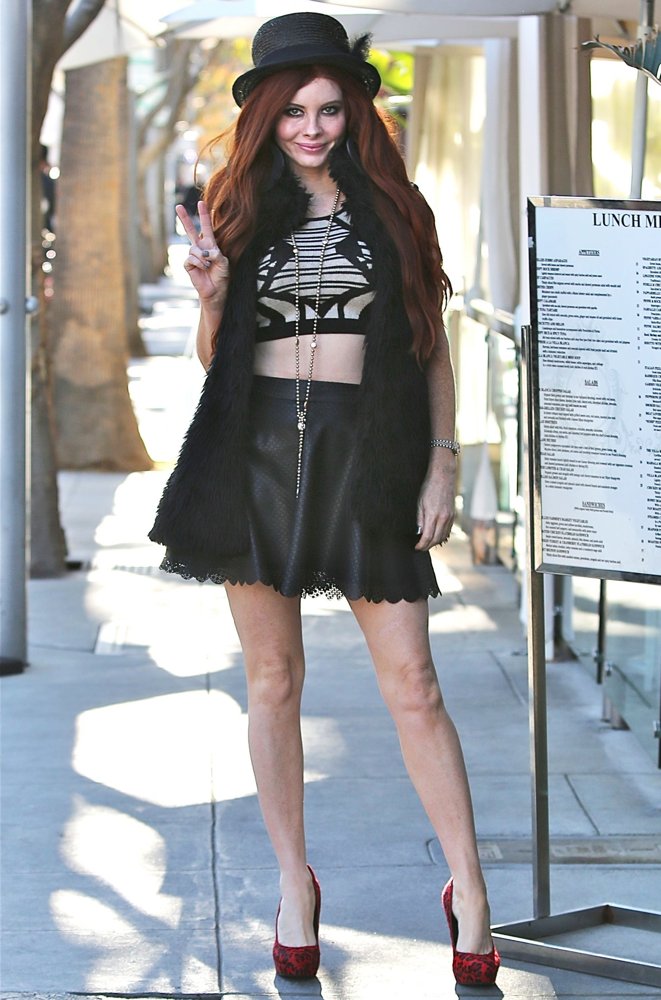
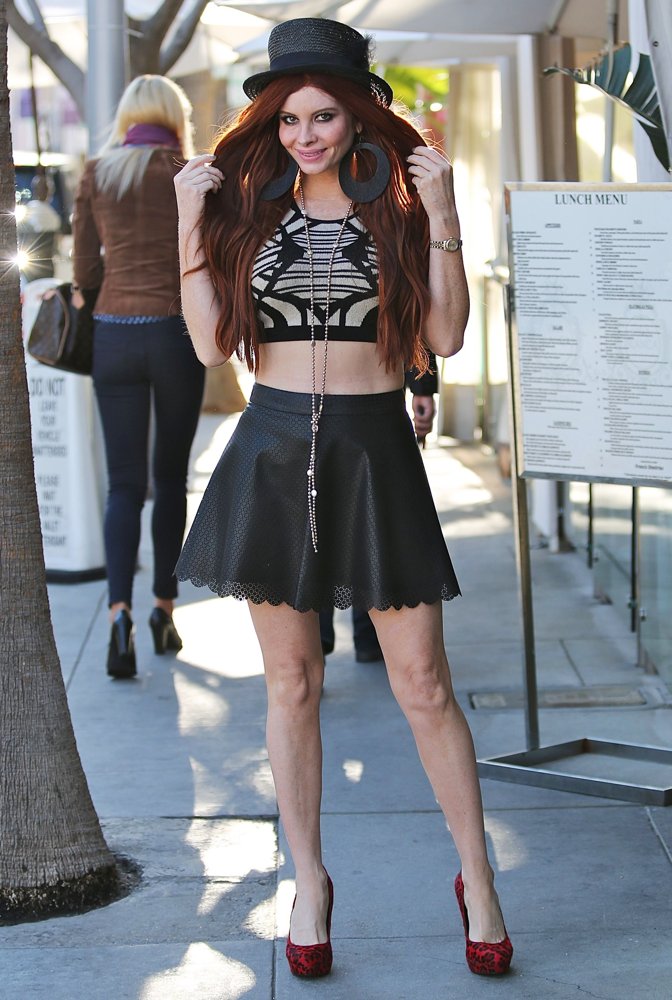
Phoebe Price
Phoebe Price at Villa Blanca Restaurant
Feb 3, 2014
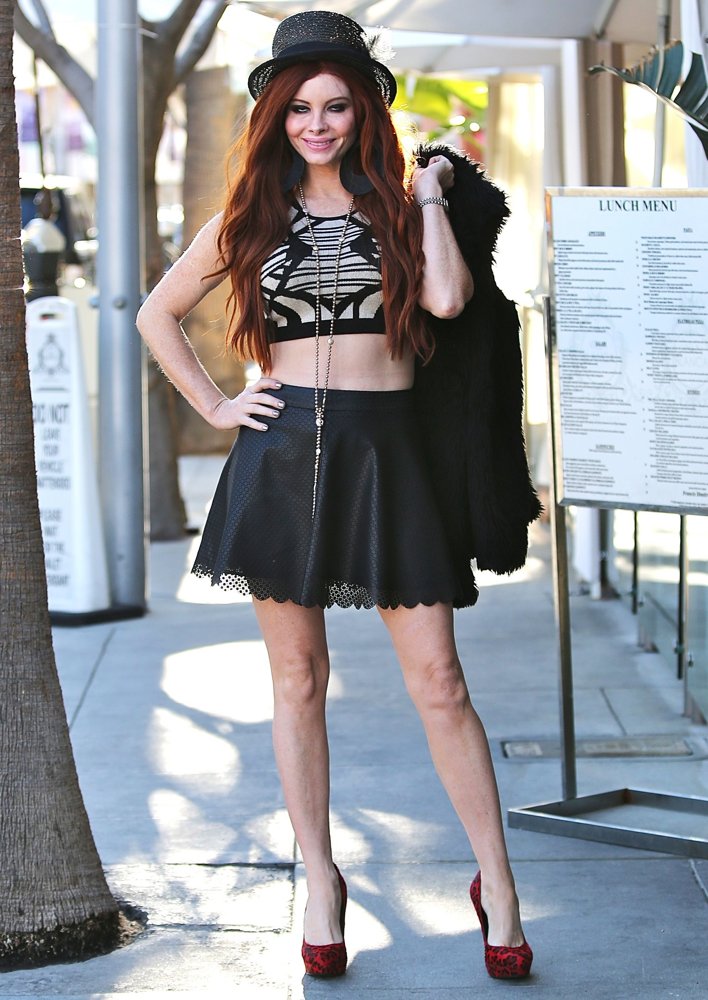
Phoebe Price
Phoebe Price at Villa Blanca Restaurant
Feb 3, 2014
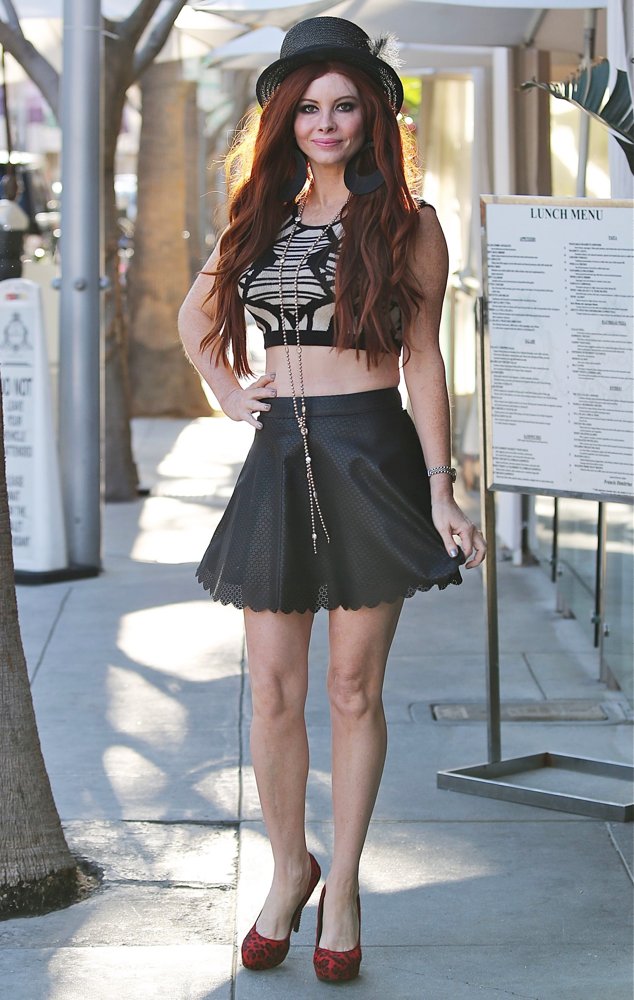
Phoebe Price
Phoebe Price at Villa Blanca Restaurant
Feb 3, 2014
Phoebe Price
Phoebe Price at Villa Blanca Restaurant
Feb 3, 2014
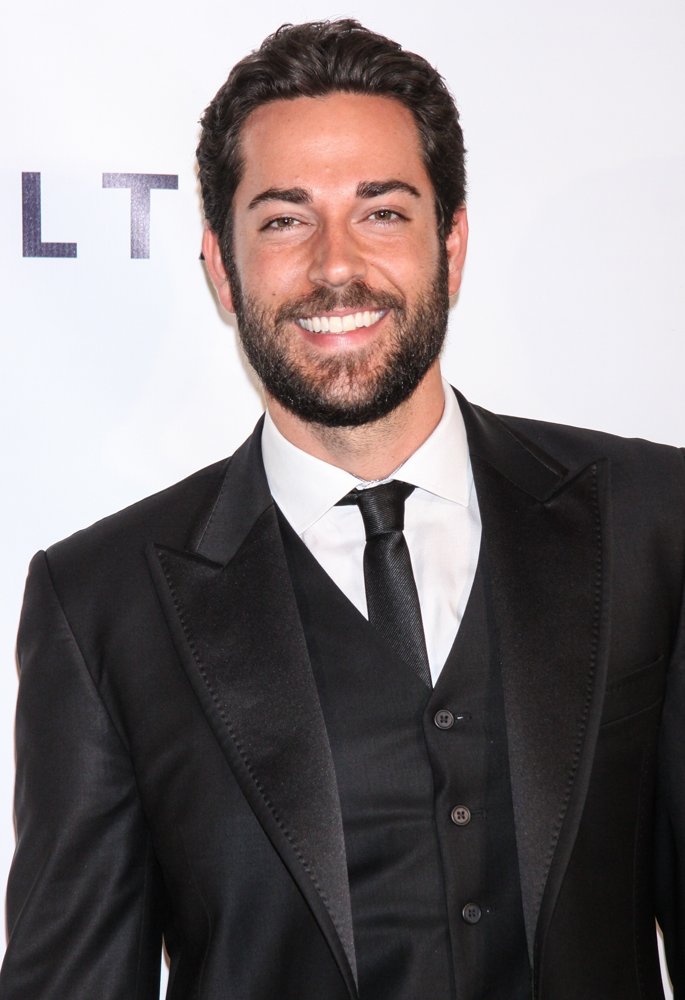
Zachary Levi
The Drama League's 30th Annual Musical Celebration of Broadway
Feb 3, 2014
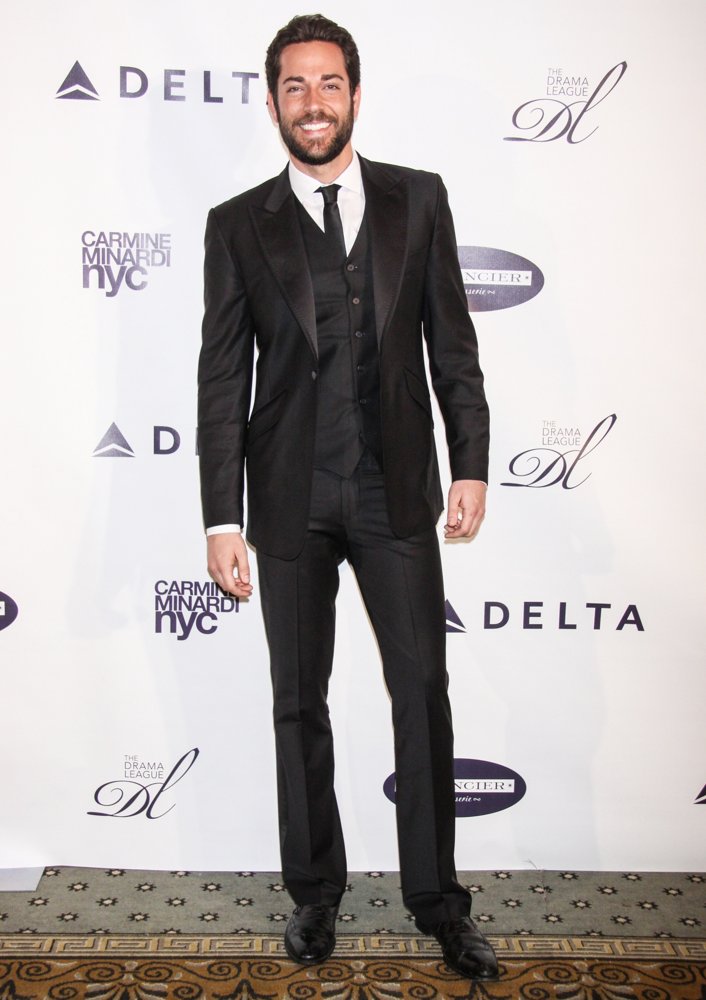
Zachary Levi
The Drama League's 30th Annual Musical Celebration of Broadway
Feb 3, 2014




⭐Featured Celebrities