Dyan Cannon, born Samille Diane Friesen on January 4, 1937, in Tacoma, Washington, is a celebrated American actress, filmmaker, and editor whose career has spanned more than six decades. A former beauty queen who held the title of Miss West Seattle, Cannon rose from the ranks of television guest star to become one of Hollywood's most versatile and respected talents. Her body of work has earned her three Academy Award nominations, a Golden Globe Award, a Saturn Award, and a star on the Hollywood Walk of Fame. She was also named Female Star of the Year by the National Association of Theatre Owners in 1973 and by the Hollywood Women's Press Club in 1979, cementing her status as a major box-office draw during the height of her career.
Cannon made her television debut in 1958, and throughout the following decade, she became a familiar face on episodic television while also appearing on Broadway and in low-budget films. Her big-screen breakthrough came in 1969 with the groundbreaking sex comedy Bob & Carol & Ted & Alice, a performance that earned her the first of her two Academy Award nominations for Best Supporting Actress. She received her second nomination in the same category for the 1978 fantasy comedy Heaven Can Wait, for which she won the Golden Globe Award for Best Supporting Actress – Motion Picture. Earlier in the decade, she earned a Golden Globe nomination for Best Actress – Motion Picture Drama for her lead role in Such Good Friends (1971). Her talents extended behind the camera as well; in 1976, she was nominated for an Academy Award for Best Live Action Short Film for producing the short Number One.
Throughout the 1970s and 1980s, Cannon demonstrated her range across genres, starring in films such as The Love Machine (1971), Shamus (1973), The Last of Sheila (1973), Child Under a Leaf (1974), Revenge of the Pink Panther (1978), Honeysuckle Rose (1980), and Coast to Coast (1980). She continued to work steadily into the next decades with memorable roles in Deathtrap (1982), Author! Author! (1982), Caddyshack II (1988), 8 Heads in a Duffel Bag (1997), Out to Sea (1997), and Boynton Beach Club (2005). In 1990, she made her feature directorial debut with the semiautobiographical drama The End of Innocence, which she also wrote and starred in. From 1997 to 2000, she reached a new generation of viewers with her recurring role as Judge Jennifer "Whipper" Cone on the hit legal series Ally McBeal.
Beyond her professional achievements, Cannon's personal life has been the subject of considerable public interest. Before her career fully took off, she was married to screen legend Cary Grant for three years, and the union produced their daughter, Jennifer, Grant's only child. The marriage ended in divorce in 1968, and Cannon remained reluctant to discuss it for decades, reportedly turning down publishing offers following Grant's death in 1986. She eventually broke her silence with the publication of her memoir, Dear Cary, in 2011, which became a New York Times Best Seller. The book was later adapted into the 2023 miniseries Archie, with Cannon serving as an executive producer. Still active in the entertainment industry, she continues to be celebrated for her pioneering work both in front of and behind the camera, leaving an indelible mark on American film and television.
⭐
Similar Celebrities

📷
Recent Photos
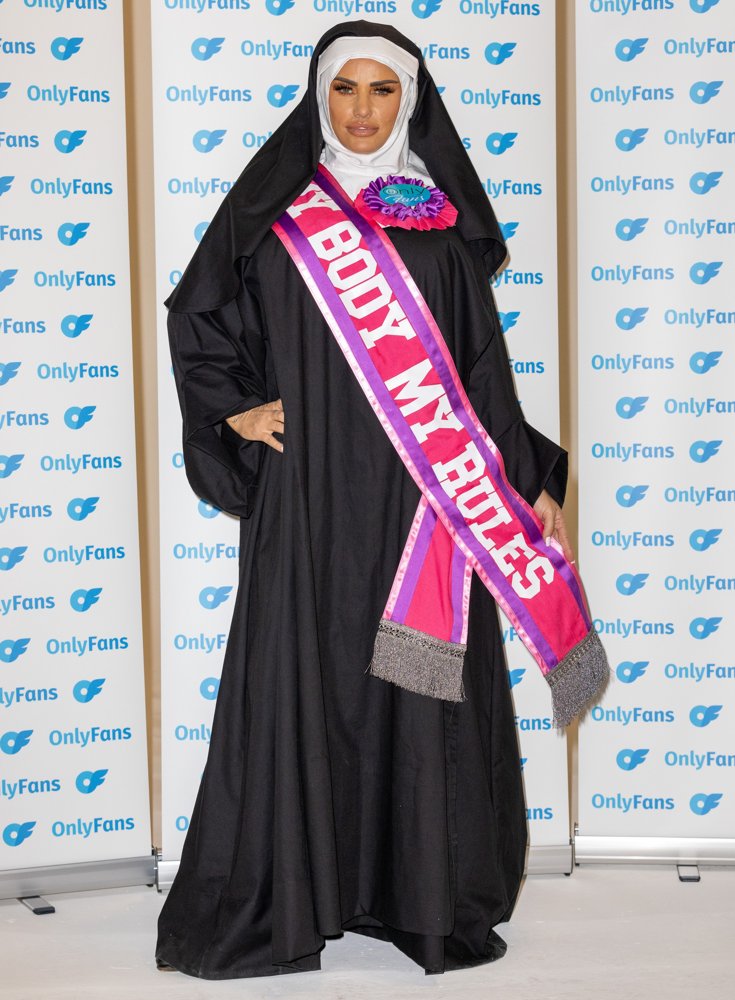
Katie Price
Katie Price Launches Only Fans Channel - Photocall
Jan 26, 2022
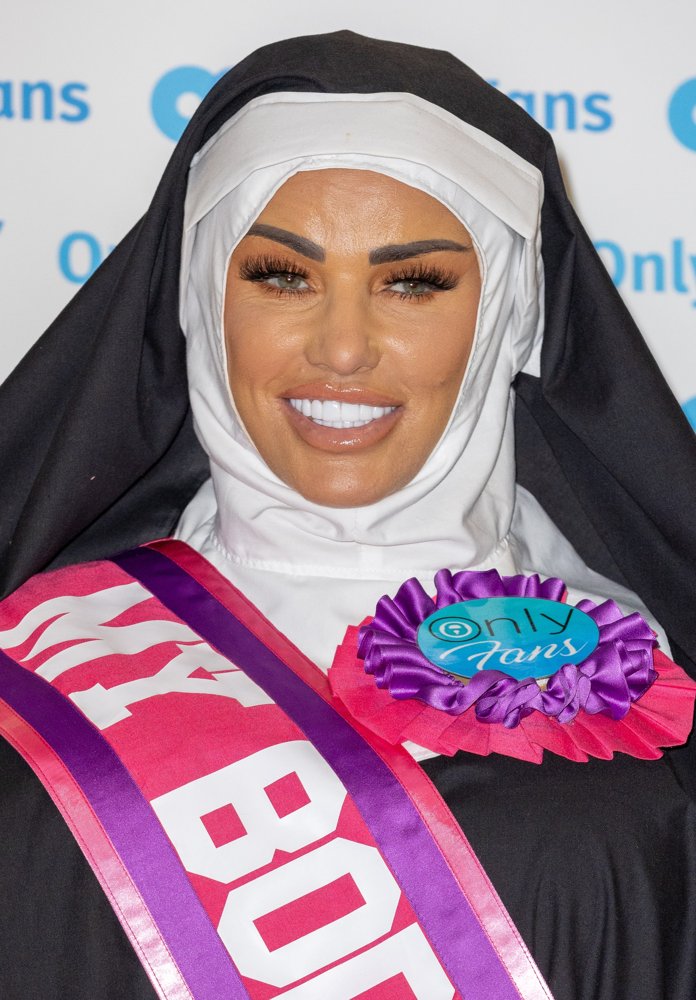
Katie Price
Katie Price Launches Only Fans Channel - Photocall
Jan 26, 2022
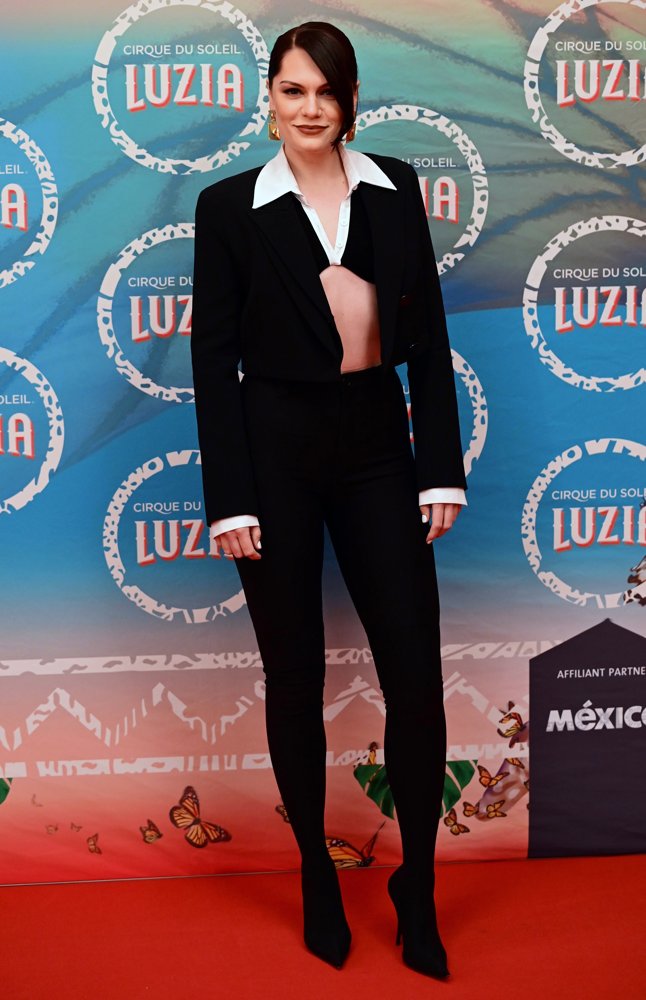
Jessie J
The Premiere of Cirque Du Soleil Luzia
Jan 13, 2022
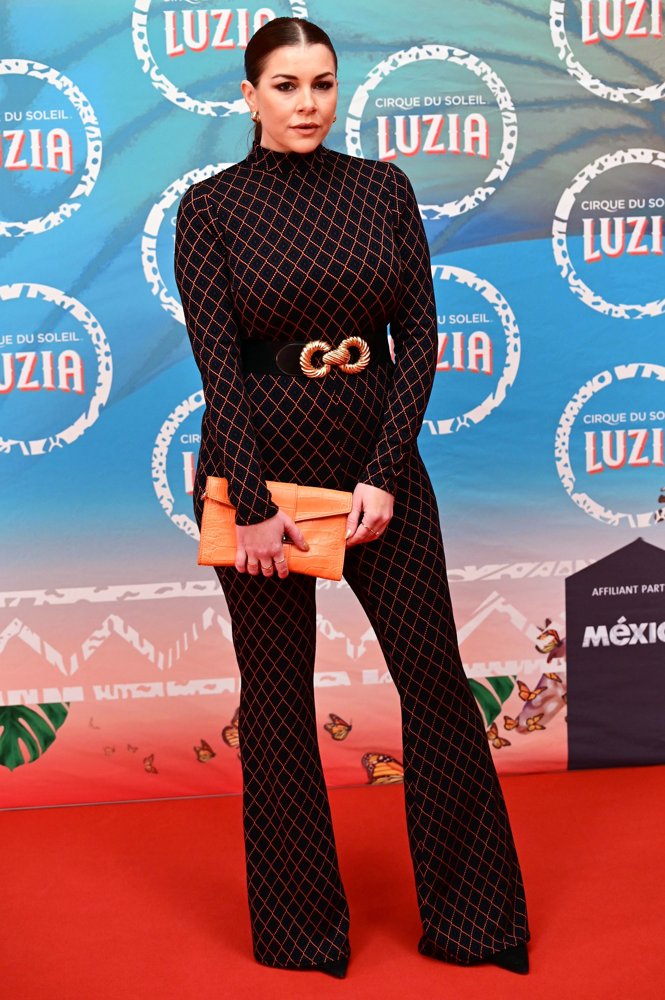
Imogen Thomas
The Premiere of Cirque Du Soleil Luzia
Jan 13, 2022
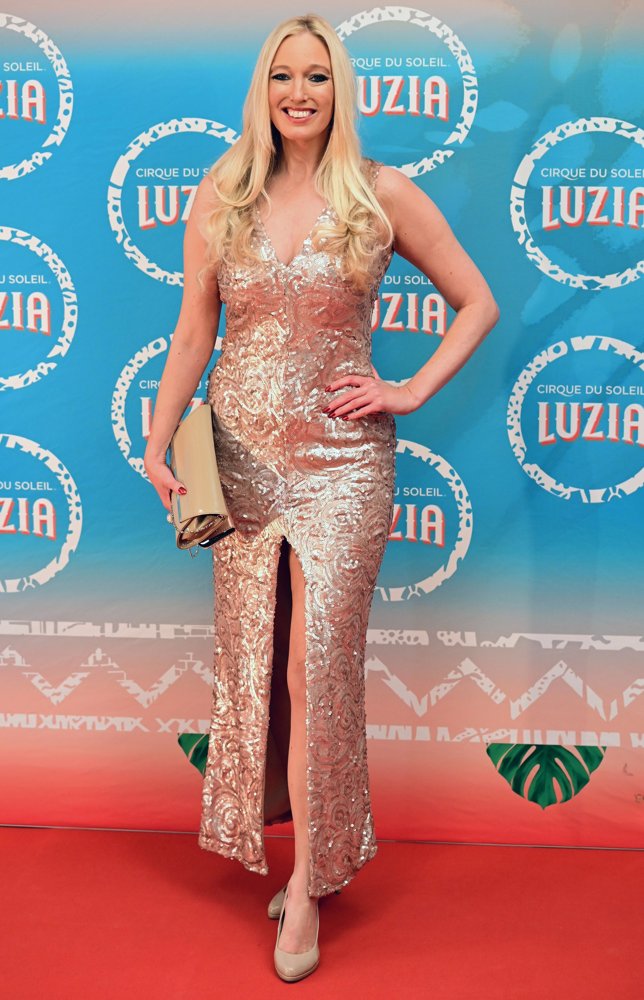
Hayley Palmer
The Premiere of Cirque Du Soleil Luzia
Jan 13, 2022
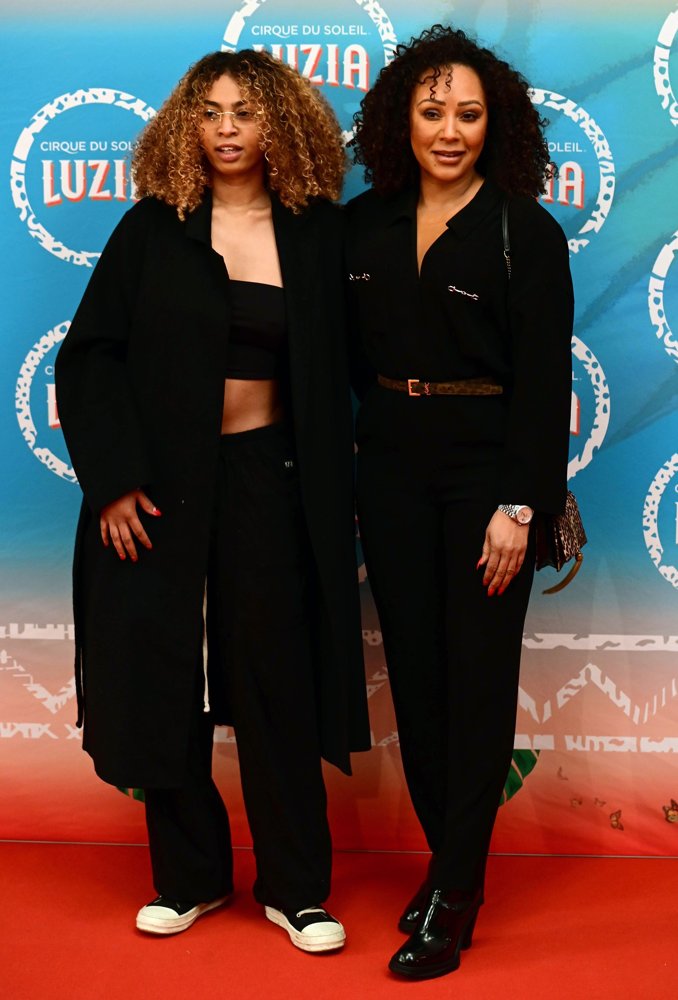
Phoenix Chi Gulzar
The Premiere of Cirque Du Soleil Luzia
Jan 13, 2022





⭐Featured Celebrities