Die Antwoord is a South African rap-rave group that emerged from Cape Town in 2008, captivating audiences worldwide with their unique sound and provocative style. Comprising rappers Ninja and Yolandi Visser, the duo quickly gained recognition for their energetic performances and distinctive blend of hip-hop and rave music, often delivered in both English and Afrikaans. Their claim to fame began with the viral success of the single "Enter the Ninja" in 2009, which propelled them into the international spotlight and laid the groundwork for a career marked by both acclaim and controversy.
The group's early years were characterized by a commitment to the zef movement, a South African cultural phenomenon that embraces working-class aesthetics and defies mainstream norms. This influence is palpably evident in their music and visual style, which often features surreal, graphic imagery in their music videos. Die Antwoord's debut studio album, "SOS," was reissued by Interscope Records in 2010 following the success of "Enter the Ninja." However, their relationship with the label was short-lived, as they parted ways in 2011, choosing to pursue an independent path.
In 2012, Die Antwoord released their second studio album, "Tension," which showcased their evolving sound. Their subsequent albums, "Donker Mag" in 2014 and "Mount Ninji and da Nice Time Kid" in 2016, achieved significant commercial success, particularly in the United States, where both albums topped Billboard's Top Dance/Electronic Albums chart. The group's fifth studio album, "House of Zef," was released in 2020, continuing their exploration of various musical styles while maintaining their distinctive identity.
In addition to their music career, Die Antwoord has ventured into film, portraying fictionalized versions of themselves in Harmony Korine's short film "Umshini Wam" in 2011 and in Neill Blomkamp's science fiction film "Chappie" in 2015. Their story has also been documented in "Zef: The Story of Die Antwoord," which was released in 2024, further cementing their presence in popular culture.
Despite their success, Die Antwoord has faced considerable scrutiny and controversy over the years. Critics have accused the group of cultural appropriation, particularly in their use of South African cultural motifs and imagery, leading to debates about authenticity and representation. Additionally, allegations of homophobia, the use of blackface in their music videos, and serious personal accusations against Ninja have sparked public outcry and discussions about the boundaries of artistic expression.
Die Antwoord's impact on the international music scene is undeniable, as they are often regarded as one of the most successful acts to emerge from South Africa. Their ability to blend genres, challenge societal norms, and provoke thought through their art has left a lasting mark on fans and critics alike, ensuring their place in the annals of contemporary music history.
⭐
Similar Celebrities

📷
Recent Photos
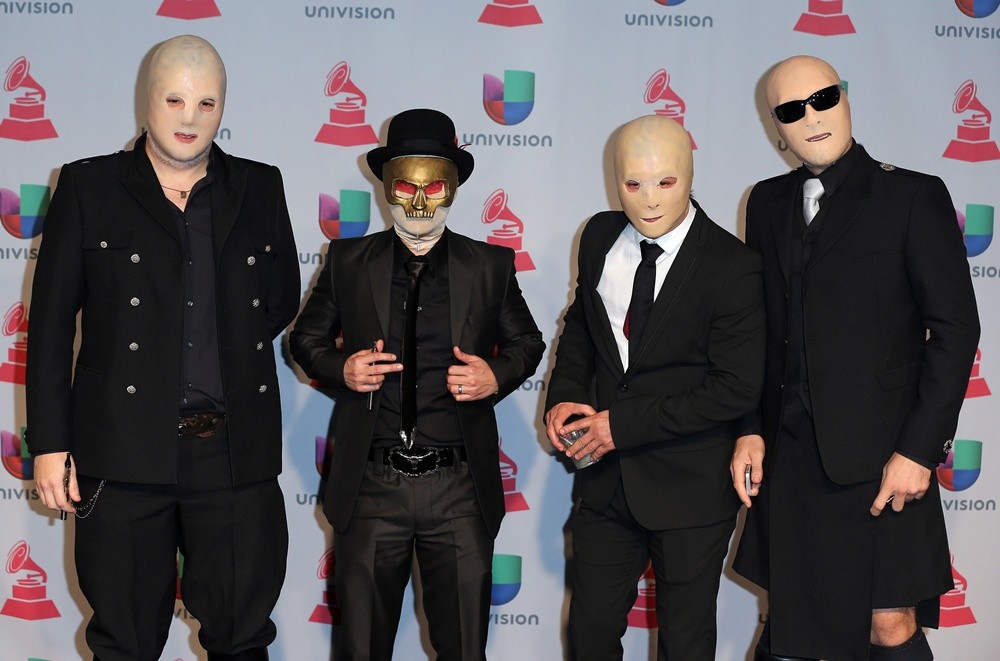
A Band of Bitches
The Latin Grammys 2013
Nov 21, 2013
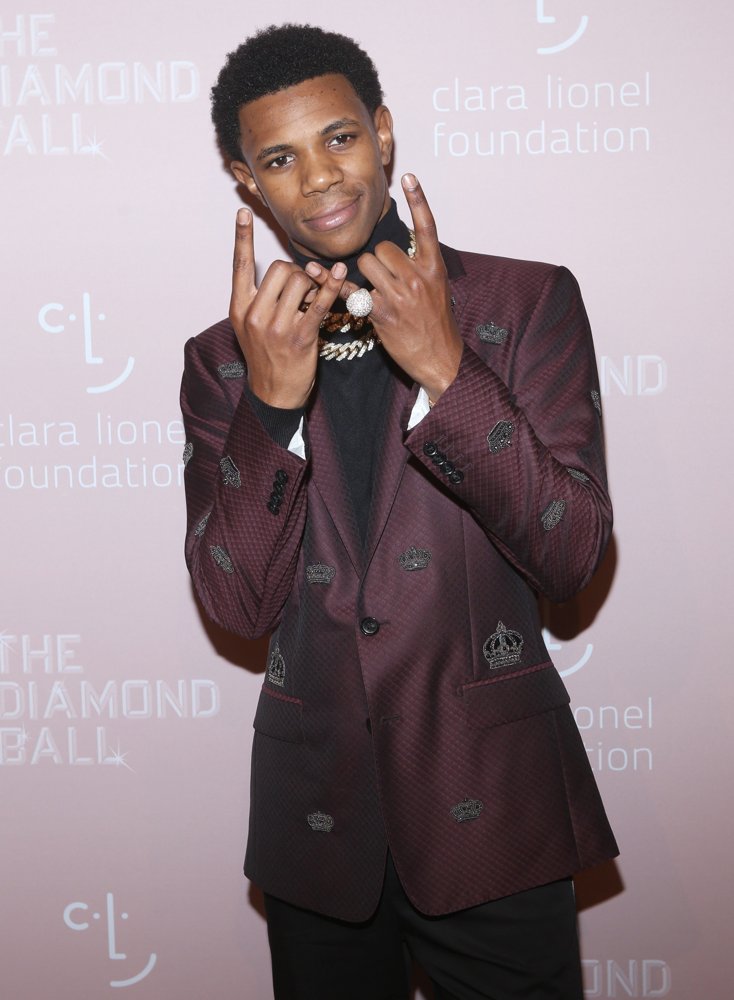
A Boogie Wit Da Hoodie
Rihanna's 4th Annual Diamond Ball
Sep 13, 2018
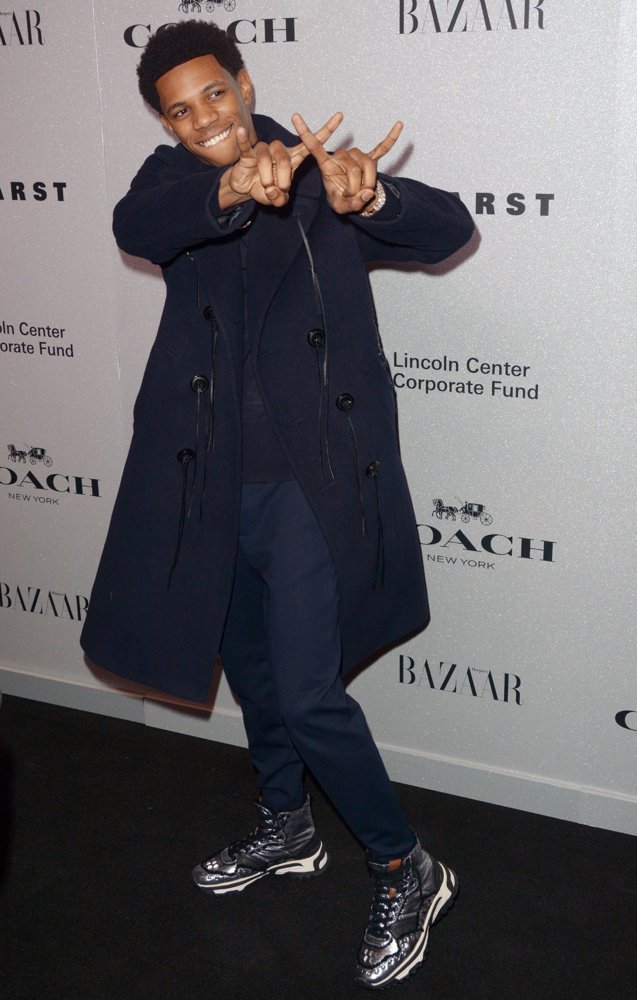
A Boogie Wit Da Hoodie
Lincoln Center Fashion Gala - An Evening Honoring Coach
Nov 29, 2018
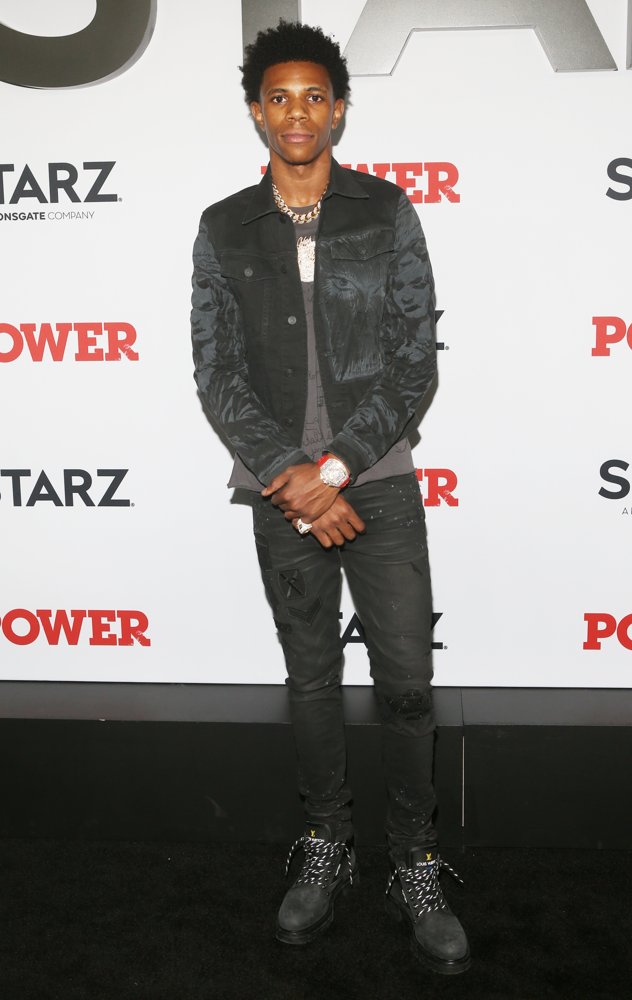
A Boogie Wit Da Hoodie
STARZ Red Carpet Event for Power Final Season World Premiere
Aug 20, 2019
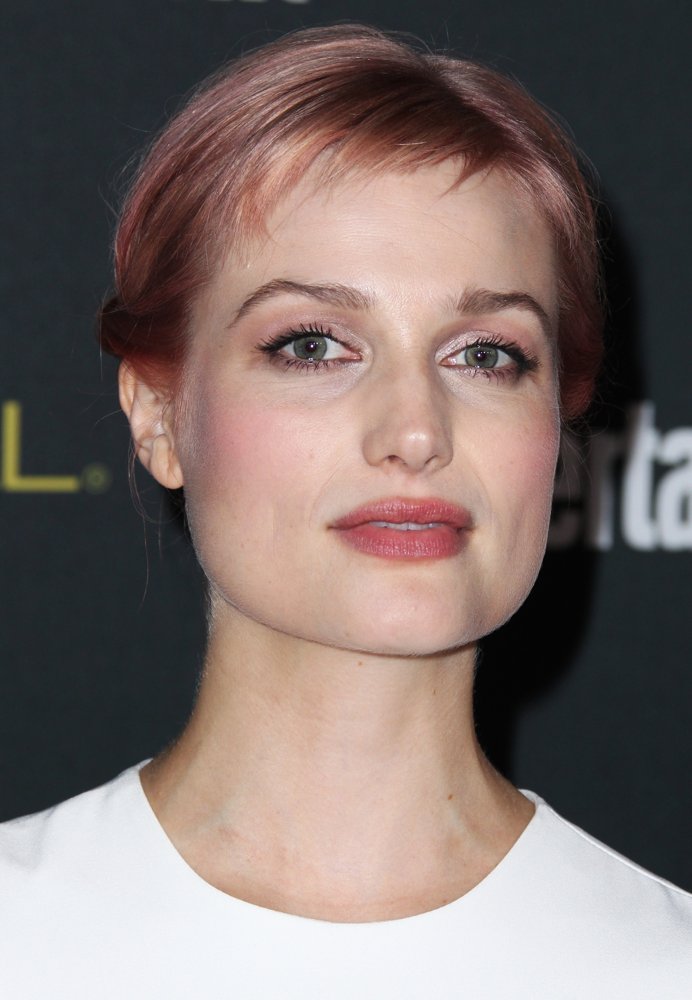
A Fine Frenzy
2014 Entertainment Weekly Pre-Emmy Party - Arrivals
Aug 23, 2014
A Fine Frenzy
2014 Entertainment Weekly Pre-Emmy Party - Arrivals
Aug 23, 2014




⭐Featured Celebrities