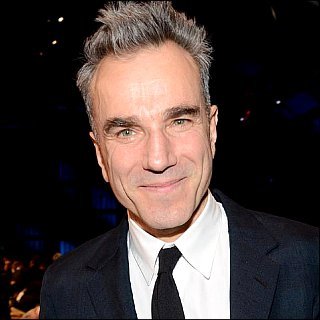
 Sir Daniel Michael Blake Day-Lewis, born on April 29, 1957, in London, England, is an acclaimed English actor often regarded as one of the greatest in the history of cinema. Known for his extraordinary commitment to method acting, he has portrayed a range of eccentric characters in films directed by some of the most esteemed auteurs. His remarkable talent has earned him numerous accolades, including a record three Academy Awards for Best Actor, solidifying his place in cinematic history. In recognition of his contributions to drama, Day-Lewis was knighted in 2014.
Daniel Day-Lewis was born into a family with artistic roots; his father, Cecil Day-Lewis, was a poet, and his mother, Jill Balcon, was an actress. He showed an early interest in performance, excelling at the National Youth Theatre before being accepted into the prestigious Bristol Old Vic Theatre School, where he honed his skills for three years. Despite his classical training, he became known for his intense dedication to method acting, immersing himself deeply into his roles and often refraining from granting interviews or making public appearances to maintain his privacy.
Throughout the early 1980s, Day-Lewis shifted between theatre and film, joining the Royal Shakespeare Company and performing notable roles such as Romeo in Romeo and Juliet and Flute in A Midsummer Night's Dream. His stage career reached a poignant moment in 1989 when he played the title role in Hamlet at the National Theatre in London. He famously left the stage mid-performance after becoming overwhelmed during a pivotal scene, marking his last stage appearance.
Day-Lewis's transition to film brought him critical acclaim, beginning with supporting roles in Gandhi (1982) and The Bounty (1984). His breakthrough came with leading roles in films such as My Beautiful Laundrette (1985), A Room with a View (1985), and The Unbearable Lightness of Being (1988). His portrayal of Christy Brown in My Left Foot: The Story of Christy Brown (1989) garnered him his first Academy Award for Best Actor. He continued to showcase his versatility with powerful performances in films like The Last of the Mohicans (1992), The Age of Innocence (1993), and The Crucible (1996).
Day-Lewis solidified his status as a cinematic icon by winning two more Academy Awards for his roles as the ruthless oil tycoon Daniel Plainview in There Will Be Blood (2007) and the revered President Abraham Lincoln in Lincoln (2012). In addition to his Oscars, he received multiple nominations for films such as In the Name of the Father (1993), Gangs of New York (2002), and Phantom Thread (2017), showcasing his consistent ability to deliver outstanding performances.
In a surprising turn, Day-Lewis took a hiatus from acting from 1997 to 2000, during which he apprenticed as a shoemaker in Italy. He later retired from acting again in 2017, only to return for a project in 2025, where he starred in and co-wrote Anemone, directed by his son Ronan. Throughout his career, Daniel Day-Lewis has remained a unique and influential figure in the film industry, known for his profound dedication to his craft and his ability to bring complex characters to life on screen.
⭐
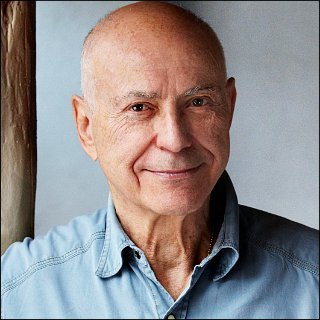
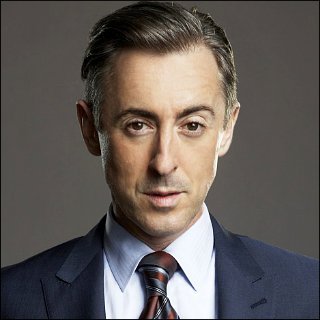
Similar Celebrities

📷
Recent Photos
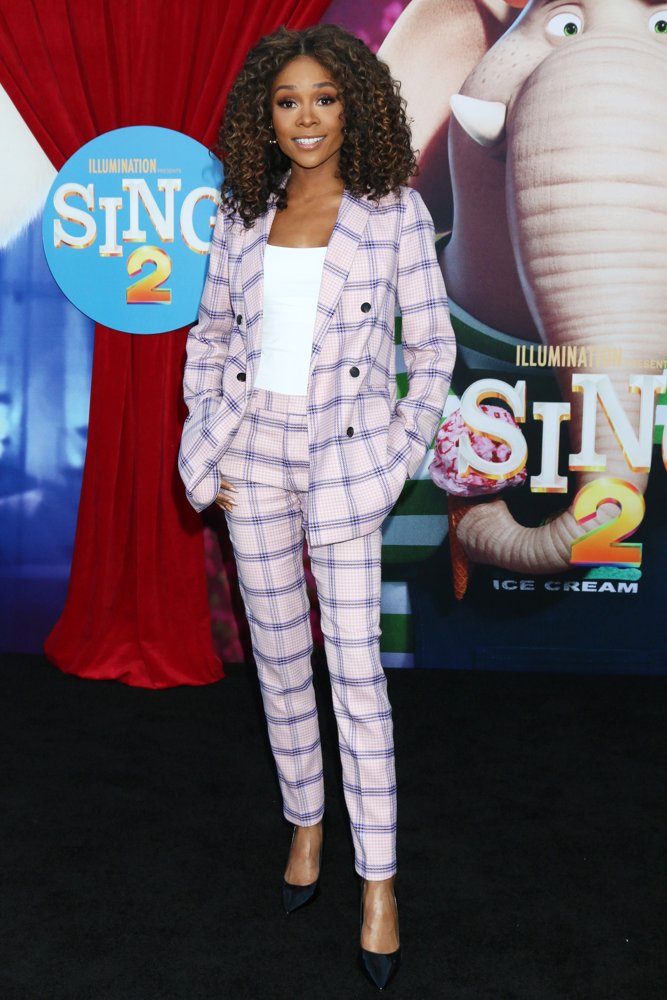
Zuri Hall
Sing 2 Premiere - Arrivals
Dec 12, 2021

Zuri Hall
Sing 2 Premiere - Arrivals
Dec 12, 2021
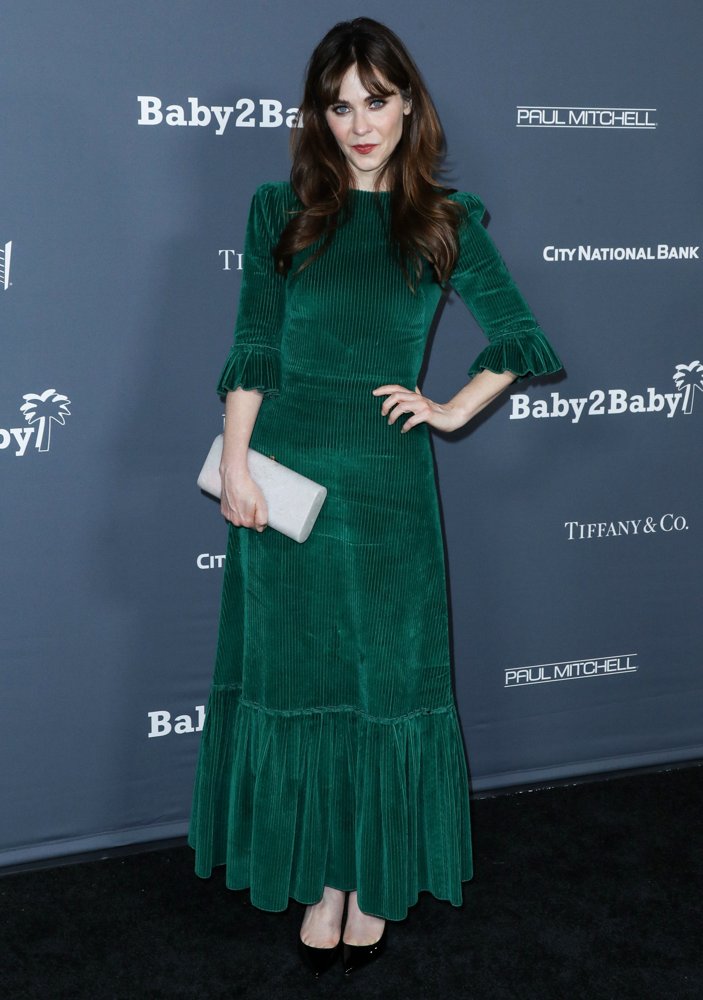
Zooey Deschanel
Baby2Baby 10-Year Gala 2021
Nov 13, 2021
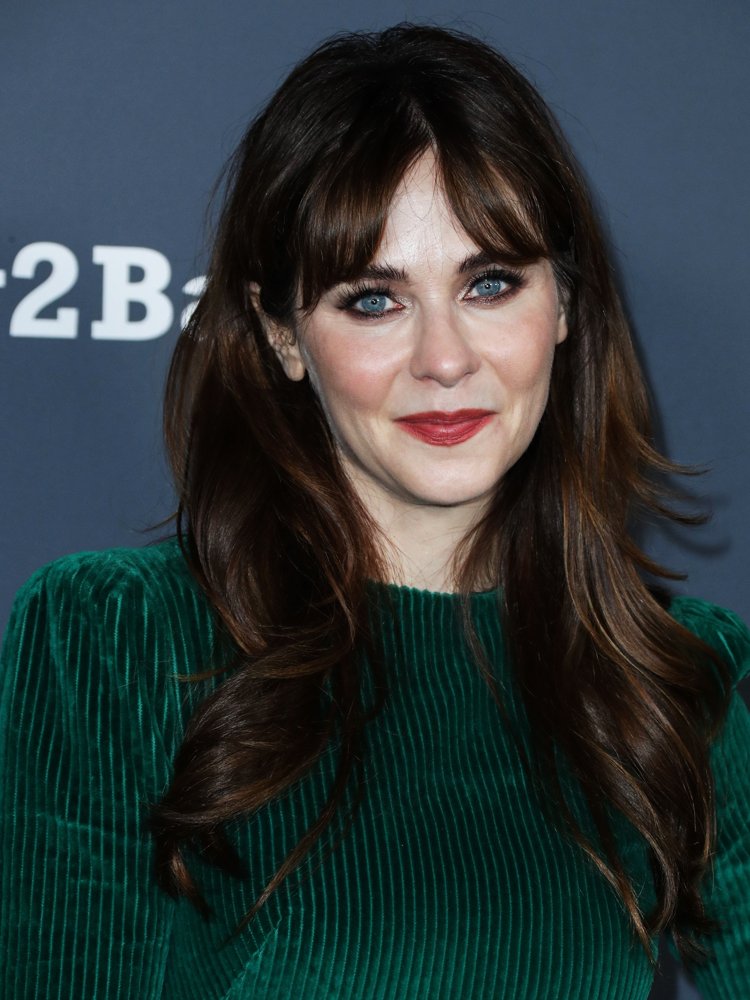
Zooey Deschanel
Baby2Baby 10-Year Gala 2021
Nov 13, 2021

Zooey Deschanel
2021 Environmental Media Association Awards
Oct 16, 2021
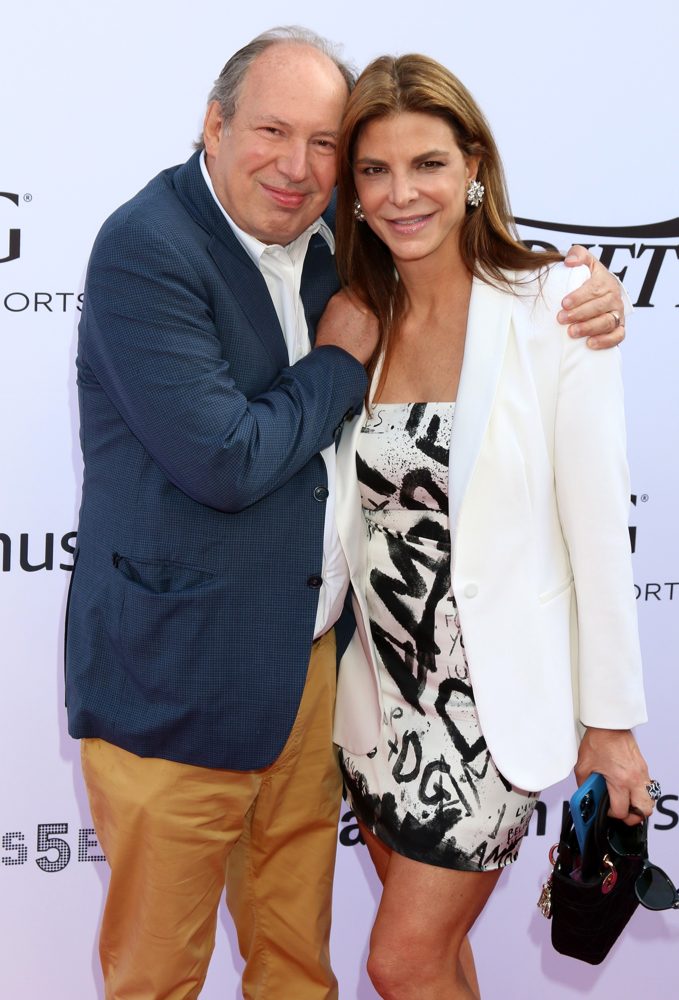
Hans Zimmer
Variety 2021 Music Hitmakers Brunch
Dec 4, 2021



⭐Featured Celebrities